How to Choose the Best Vertical Siding Options?
Choosing vertical siding is not only a style decision. It affects how a home handles rain, sun, maintenance, and long-term wear. The best vertical siding options depend on your climate, wall design, budget, and tolerance for upkeep. A narrow board-and-batten profile can make a small façade feel taller. Smooth panels create a cleaner, more modern look. Neither choice works well when water-management details are ignored.
Building-science expert Joseph Lstiburek is known for emphasizing moisture control. In paraphrase: “Durable walls depend on managing water, not merely covering it.” That principle matters when comparing wood, fiber cement, vinyl, and metal. Each material has trade-offs. Wood offers natural texture but needs regular attention. Fiber cement is sturdy, yet heavier and more demanding to install. Vinyl is often easier to maintain, though its appearance and performance vary by product. Metal can provide a crisp finish, but dents and detailing deserve consideration.
Look closely at more than color samples. Ask how the siding handles local weather, what goes behind it, and how trim, flashing, and ventilation are specified. Check the manufacturer’s installation instructions, warranty terms, and maintenance requirements. A beautiful sample is only a start. The wall behind it matters.
There is no perfect option. That part is easy to overlook. A practical choice balances appearance with installation quality and realistic upkeep. This guide compares materials, costs, durability, and design details to help you choose vertical siding options with fewer surprises. It also points out where a second opinion from a qualified local contractor may be worthwhile.
Understanding Vertical Siding and Its Main Types
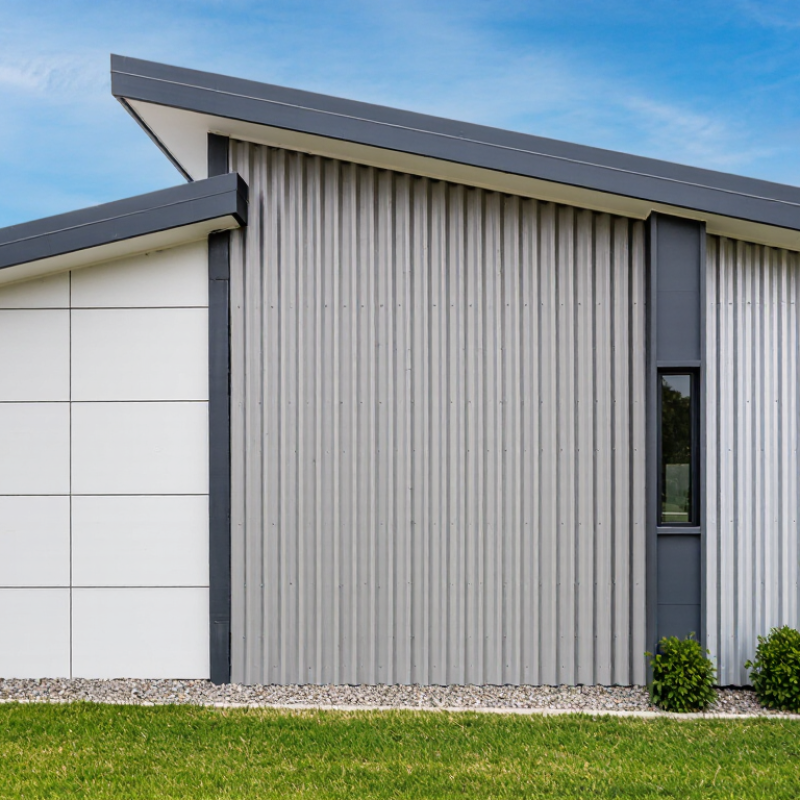
Vertical siding uses boards or panels that run from the roofline toward the foundation. Its upright lines can make a low façade feel taller and give a gable a crisp, defined look. But appearance is only one part of the choice. Rain exposure, wall flatness, and edge details affect how well the siding performs. Small gaps show quickly.
Board-and-batten siding combines wide boards with narrow strips over the joints. The raised pattern creates distinct shadows, while careful fastening and joint detailing help manage moisture. Tongue-and-groove boards interlock along their edges for a smoother, more continuous surface. They still need room for material movement. Vertical panels cover wider areas with fewer seams, but uneven placement can be especially noticeable. Details matter.
Materials change the maintenance and installation needs. Wood offers natural grain but may need periodic coating; fiber cement, metal, and vinyl have different weight, finish, and repair considerations. Follow the installation guidance for the selected material, especially around openings and the bottom edge. A practical check is to view a full-size sample in morning and afternoon light. A small sample can mislead. It is easy to favor a sharp shadow line, then find it feels too busy across an entire wall.
Comparing Vertical Siding Materials and Their Properties
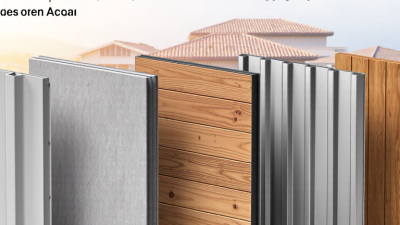
Vertical siding changes how rain sheds and how a wall looks, but material choice matters more than orientation. Fiber cement resists fire and insects, and it holds paint well. It is heavy, though, and cutting it requires dust control and careful handling. Vinyl is light and needs little upkeep, yet temperature swings can make long panels expand or contract. That movement needs room at the joints.
Wood offers natural grain and can be repaired board by board. Cedar’s texture may warm a plain facade, but it needs regular sealing or painting, especially where splashback keeps lower boards damp. Engineered wood can be lighter than fiber cement, but cut ends still need protection from moisture. Metal siding is durable and crisp-looking, though dents or rain noise may bother some homeowners. No option is maintenance-free. It is easy to overvalue appearance and overlook the trim details that protect the wall. Compare materials against your climate, budget, and willingness to maintain them.
Tips: View sample boards outdoors; sunlight changes their color and texture. Ask how corners, window trim, and the bottom edge will be detailed. Small gaps or exposed cuts can become weak points.
Assessing Climate, Exposure, and Building Requirements
Choosing vertical siding starts with the weather it must face. In wet regions, look for materials and finishes that tolerate repeated moisture, and plan a drainage gap behind the cladding. Keep the bottom edge clear of soil and roof runoff. Small details matter.
In sunny, exposed locations, ultraviolet light and heat can fade or warp some products. Ask how the siding performs under local temperature swings, and check maintenance requirements before comparing purchase prices. Coastal wind or driving rain may call for stronger fastening and carefully sealed joints. A shaded wall can behave differently from the south-facing one, even on the same house.
The building itself sets limits. Confirm that the wall structure can support the selected material, and check fire, wind, and energy requirements with local building officials or a qualified contractor. Existing trim, window depth, and ventilation paths also affect installation. There is no perfect panel for every wall. I would not choose by appearance alone; a crisp vertical line can hide poor drainage. Sometimes the practical choice is less striking, and that trade-off deserves an honest look.
Evaluating Appearance, Maintenance, and Long-Term Durability
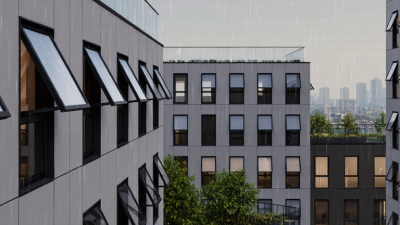
Vertical siding can make a home look taller, but the material and finish shape the effect. Narrow boards create fine, steady lines; wider panels feel simpler and more modern. Smooth surfaces keep the look clean, while wood grain adds visible texture. Small details matter. Shadows around battens can also make a wall feel deeper, especially in low afternoon light.
Maintenance depends on the material, climate, and installation. Wood may need periodic painting or staining, and shaded areas can hold moisture longer. Fiber cement is generally stable, but its paint and joints still need inspection. Vinyl avoids routine painting, though color and surface damage can be harder to repair discreetly. Metal resists many common problems, yet scratches and exposed edges deserve attention. No option is maintenance-free. That takes time. Before choosing, look at how rain drains from the wall and whether nearby trees drop sap or debris. Long-term durability also depends on sound flashing, proper clearances, and careful fastening. I would not judge a sample indoors alone; compare it outside, where sun and shadow change its color. Even a good choice can disappoint if the seams look awkward on the actual house. Check a full-size section, not just a small sample.
How to Choose the Best Vertical Siding Options?
Typical service-life estimates by siding material
Fiber cement generally has the longest estimated service life among these options. These are broad industry estimates, not guarantees; installation quality, climate, exposure, and maintenance can affect actual lifespan. Compare appearance and upkeep needs alongside durability when choosing vertical siding.
Balancing Installation Costs, Performance, and Budget
Vertical siding costs depend on more than the price per board. A lower-cost option may need extra trim, careful cutting, or more frequent repainting. Ask for estimates on the same wall area, including flashing, corner boards, and waste. Small parts add up. Fiber cement can resist moisture and fire well, but its weight may increase labor costs. Vinyl is lighter and often less expensive to install, though impact resistance varies by product and temperature.
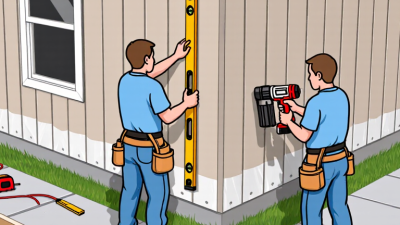
Performance also depends on the wall beneath the siding. Uneven sheathing can make vertical lines look wavy, while poor drainage details may trap water behind the boards. Check whether the estimate includes a water-resistive barrier and appropriate flashing around windows. In wet or windy areas, installation details matter as much as the siding material. Get the details in writing.
Set a budget for purchase, installation, and upkeep over time. Wood may suit a tighter initial budget, but it usually needs regular inspection and paint or stain. Fiber cement may cost more upfront; ask about cutting methods and labor, since both can affect the final quote. Compare warranty terms and local maintenance needs, not just the headline price. It is easy to overvalue a neat sample board and overlook the finished corners. A site visit can clarify that.