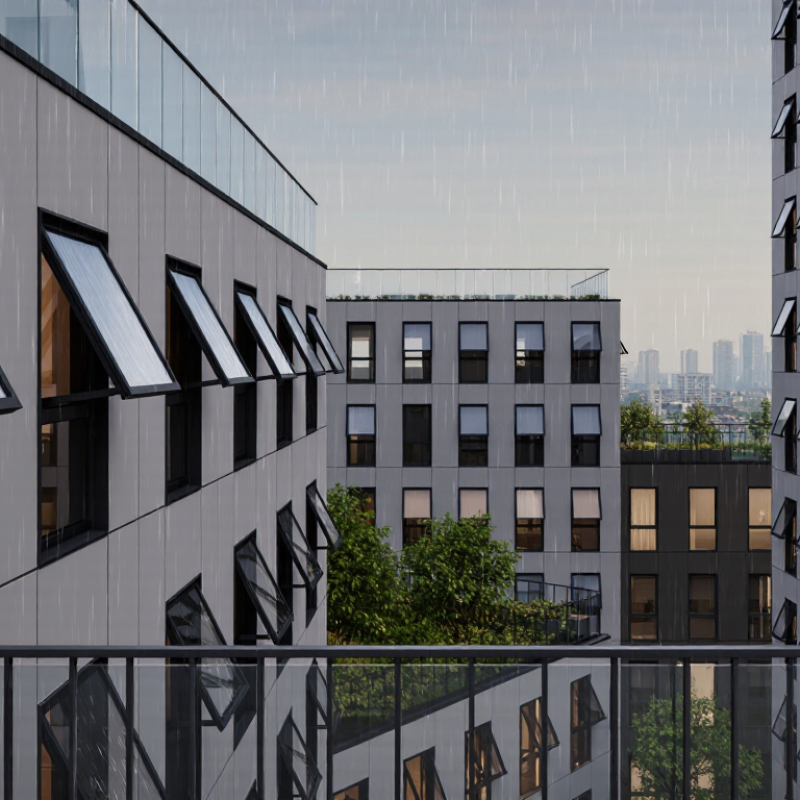
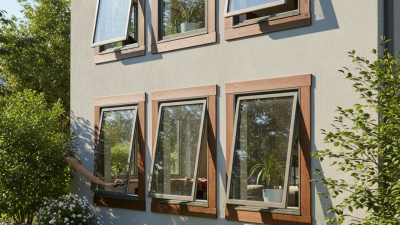
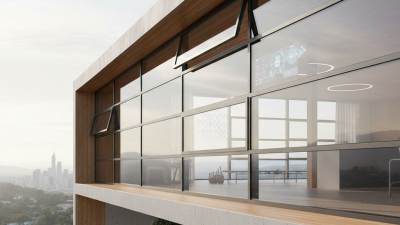
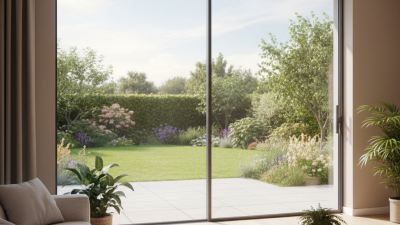
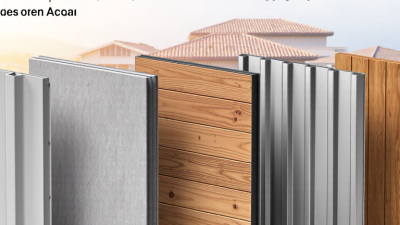
Global buyers are paying closer attention to ventilation, weather resistance, and lifecycle value. Awning windows respond well to these needs because their top-hinged sashes open outward, even during light rain. That small design detail matters in humid coastal cities and compact urban apartments.
Grand View Research valued the global windows and doors market at approximately USD 207.4 billion in 2022. It also projected continued growth through 2030, supported by renovation, energy efficiency, and urban construction. The U.S. Department of Energy notes that window performance depends on glazing, framing, installation, and climate. Not the product label alone. FGIA standards also emphasize air leakage, water penetration, and structural performance. These measures help buyers compare manufacturers more reliably.
Fenestration consultant John McFee once stated, “A window is only as good as its installation.” His point remains practical. A well-made awning window can still fail when flashing is incomplete or drainage paths are blocked. I have seen attractive frames lose value because installers ignored sill slopes and sealant joints. That is an uncomfortable detail, but global sourcing requires it.
This guide examines China’s top 10 awning windows manufacturers for international buyers. It considers product quality, customization, testing evidence, production capacity, export experience, and communication. Reported market figures vary because some studies include doors and related hardware. That limitation deserves attention. The strongest supplier is not always the largest one. Sometimes, a responsive factory with clear drawings and consistent inspection records is the safer choice.
A top awning window manufacturer in China combines practical experience with controlled production.
The factory should understand coastal rain, strong sunlight, and changing temperatures. These conditions expose weak seals quickly. Skilled engineers select suitable aluminum profiles, glazing systems, hinges, and weather strips. They also test opening force, water resistance, air leakage, and wind performance.
Look for measurable quality records.
A reliable manufacturer can provide material certificates, inspection reports, and traceable production batches. Its workshop should show organized cutting, corner joining, powder coating, assembly, and final inspection. Sample windows should open smoothly without scraping or excessive handle pressure. Small details matter. Drainage channels need clear paths, not decorative slots. Hardware must remain stable after repeated operation.
Communication also separates experienced suppliers from average factories.
A strong team confirms dimensions, wall conditions, glass specifications, packaging, and installation methods before production. It should explain limitations instead of promising everything. No factory is flawless. A rushed inspection may miss uneven gaskets or minor frame scratches. Buyers should review samples under daylight and request corrective records. Export experience is valuable, but local building requirements still need careful checking. Factory photos alone are not enough. A video call, independent inspection, and documented approval process create stronger evidence of reliability.
China’s top ten awning window manufacturers serve different project needs. One leading group focuses on thermal-break aluminum frames for hot and cold climates. Another specializes in uPVC profiles, offering stable color and low maintenance. Several factories build custom windows for hotels, apartments, and villas. Their teams usually support drawings, sample approval, and container planning.
Core strengths vary across these manufacturers. Some combine double or triple glazing with multipoint locking systems. Others excel at narrow frames, large openings, or inward-opening designs. A few maintain dedicated testing areas for air leakage, water resistance, and wind pressure. This matters when windows face coastal rain or strong seasonal winds. Hardware integration is another advantage, especially for buyers needing smooth handles and controlled ventilation. Large factories can manage repeated orders, while smaller workshops may provide more flexible customization.
Experience still requires verification. Buyers should inspect profile thickness, gasket quality, drainage paths, and corner joints before signing. Factory videos help, but physical samples reveal more. No supplier is perfect. A low quotation may conceal thinner materials or weaker hardware. Delivery records, inspection reports, and responsive after-sales communication offer stronger evidence. Some manufacturers explain technical limits clearly; that honesty is valuable. Others promise every feature, yet provide vague specifications. That should invite careful questions. A dependable partner documents tolerances, packaging details, replacement procedures, and installation guidance. These practical habits separate impressive sales claims from consistent manufacturing performance.
China Top 10 Awning Windows Manufacturers for Global Buyers
Key Product Features, Materials, and Customization Options
When comparing China’s leading awning window manufacturers, global buyers should examine performance beyond catalogue images. A reliable awning window opens outward from the bottom, improving ventilation during light rain. Smooth friction stays, firm handles, and accurate corner joints affect daily comfort. Ask for air, water, and wind resistance data. Factory inspection records matter more than polished promises.
Aluminium frames offer strength, slim sightlines, and low maintenance. Thermal-break aluminium can reduce heat transfer between indoor and outdoor surfaces. uPVC frames usually provide good insulation and practical pricing. Timber creates warmth, but it needs careful coating and regular maintenance. Glass choices include double glazing, laminated safety glass, low-E coatings, and tinted options. Spacer quality also influences condensation control.
Customization may include frame colors, opening sizes, insect screens, hardware finishes, glazing thickness, and inward or outward operation. Some projects require restricted openings for child safety or high-rise applications. Confirm these details before production. Small differences matter. A few millimeters can affect installation.
Experienced buyers should request full-size samples, not only profile pieces. Check gasket compression, drainage holes, weld quality, and hardware alignment by hand. I have found that attractive samples can hide weak seals. That is an uncomfortable lesson. Manufacturing tolerances, packaging methods, and replacement-part support deserve equal attention. Clear drawings, inspection checkpoints, and written warranty terms make supplier claims easier to verify.
| Rank | Manufacturer Profile | Typical Awning Window Configuration | Common Frame Materials | Standard Glazing Options | Thermal and Weather Features | Operating Hardware | Relevant Performance Criteria | Common Customization Options | Typical Export Documentation |
|---|---|---|---|---|---|---|---|---|---|
| 1 | Profile A High-Performance Aluminum Specialist |
Top-hinged outward-opening awning sash; single or paired units. | Thermally broken aluminum profiles, commonly using 6063-series extrusion alloy. | Double insulating glass; Low-E coating, argon filling, tempered or laminated safety glass. | Polyamide thermal barrier, EPDM or equivalent weather seals, multi-point compression closure. | Stainless-steel friction stays, handle-operated locking points, optional electric chain actuator. | Air, water, wind-load, operating-force, and durability testing according to the destination-market standard. | Powder coating or anodizing, custom RAL colors, divided lites, insect screens, special sill details. | Drawings, packing list, commercial invoice, material declarations, glazing specifications, and test reports when available. |
| 2 | Profile B uPVC Energy-Efficient Supplier |
Single-sash uPVC awning window with inward or outward glazing bead arrangement. | Multi-chamber uPVC profiles reinforced with galvanized steel or formed metal inserts. | Double or triple insulating glass; Low-E glass, warm-edge spacer, argon gas option. | Welded corner joints, continuous gaskets, insulated chambers, and drainage channels. | Espagnolette or multi-point locking hardware, friction hinges, restrictor stays, optional child-safety limiters. | Thermal transmittance, air permeability, watertightness, wind resistance, and repeated-operation performance. | White, wood-grain, or colored foil finishes; sash dimensions; grille patterns; screens; handle colors. | Profile data sheets, glass configuration sheets, installation instructions, packaging documents, and compliance files. |
| 3 | Profile C Aluminum-Clad Timber Specialist |
Top-hung timber sash protected externally by an aluminum weather shell. | Engineered softwood or hardwood interior with powder-coated or anodized aluminum exterior cladding. | Double or triple glazing with Low-E coating, laminated inner pane, and acoustic glass options. | Interior wood finish, exterior metal protection, perimeter gaskets, insulated glass rebate, and drainage design. | Concealed or surface-mounted hinges, multi-point locking, friction stays, and optional motorized opening. | Moisture protection, air and water resistance, wind load, thermal insulation, and coating durability. | Wood species, stain color, aluminum color, sash proportions, glazing bars, hardware finish, and opening angle. | Wood treatment information, coating specifications, shop drawings, care instructions, and origin documentation. |
| 4 | Profile D Large-Opening Project Supplier |
Wide awning sash or multi-panel top-hinged configuration for residential and light-commercial projects. | Heavy-duty thermally broken aluminum sections with reinforced mullions where required. | Double or triple laminated insulating glass; solar-control or acoustic glass options. | Reinforced sash members, heavy-duty hinges, compression seals, and engineered drainage paths. | Manual locking for standard sizes; chain, rack-and-pinion, or actuator systems for larger sashes. | Structural wind-load calculations, glass safety compliance, deflection control, air leakage, and water resistance. | Custom width and height, transoms, fixed lights, motor controls, automation integration, and special glass. | Structural calculations, approved shop drawings, installation details, product schedules, and project packing lists. |
| 5 | Profile E Passive-House-Oriented Supplier |
Highly insulated top-hung window designed for low-energy residential envelopes. | Insulated aluminum, reinforced uPVC, or composite profiles with low thermal bridging. | Triple insulating glass, dual Low-E coatings, argon or krypton option, warm-edge spacer. | Deep glazing rebates, continuous compression gaskets, insulated spacers, and enhanced frame insulation. | Low-friction friction stays, multi-point locks, concealed hardware, and controlled ventilation options. | Whole-window U-value, solar heat gain, visible transmittance, airtightness, and condensation resistance. | Glass solar-control level, frame depth, finish, opening restrictor, screen type, and ventilation accessory. | Thermal calculations, U-value declarations, glazing data, installation manuals, and third-party test evidence. |
| 6 | Profile F Coastal and High-Humidity Specialist |
Top-hinged awning units designed for exposed coastal or humid environments. | Marine-suitable aluminum finish, uPVC, or corrosion-protected reinforced profiles. | Tempered or laminated insulating glass with Low-E and solar-control options. | Enhanced surface treatment, stainless-steel or corrosion-resistant hardware, durable seals, and positive drainage. | Stainless-steel friction hinges, corrosion-resistant locking components, restrictor stays, and optional actuators. | Salt-spray or coating durability data where specified, air and water resistance, wind pressure, and hardware cycling. | High-durability powder coating, anodized finishes, impact-resistant glass, screens, and customized drainage details. | Coating specifications, hardware material declarations, maintenance instructions, test reports, and export packing records. |
| 7 | Profile G Fire and Safety Glazing Supplier |
Awning window assemblies using safety glazing for homes, offices, schools, and public buildings. | Thermally broken aluminum, steel-reinforced uPVC, or timber-aluminum composite frames. | Laminated safety glass, tempered glass, obscured glass, acoustic glass, or certified fire-rated glazing when applicable. | Safety restrictors, secure locking points, controlled opening angles, and compatible perimeter seals. | Key-lockable handles, child-safety restrictors, friction stays, emergency-release hardware where required. | Safety-glazing classification, impact resistance, opening restrictor performance, air and water resistance, and wind load. | Glass thickness, opacity, acoustic rating, handle type, restrictor angle, frame finish, and internal grille layout. | Glass certificates, safety declarations, installation requirements, maintenance instructions, and project submittals. |
| 8 | Profile H Mid-Market Custom Fabricator |
Standard single-sash awning windows for residential replacement and new-build applications. | Powder-coated aluminum or multi-chamber uPVC with standard reinforcement options. | Clear double glazing, Low-E double glazing, laminated glass, and obscure glass. | Basic insulated frames, replaceable gaskets, integrated drainage, and standard thermal breaks where applicable. | Friction hinges, multi-point handles, locking espagnolette, and opening restrictors. | Basic air, water, wind, operation, and thermal performance testing based on project requirements. | Non-standard sizes, color matching, grille patterns, screens, handles, glass type, and packaging labels. | Quotation drawings, product schedules, invoices, packing lists, installation guides, and material specifications. |
| 9 | Profile I Commercial Façade Supplier |
Awning vents integrated into curtain-wall, window-wall, or commercial façade systems. | Architectural aluminum profiles with compatible pressure plates, caps, and internal reinforcement. | Insulating, laminated, solar-control, acoustic, or spandrel glazing selected for façade design. | System-compatible gaskets, pressure equalization, concealed drainage, thermal isolators, and façade anchoring. | Manual handles, concealed stays, electric actuators, smoke-vent controls, and building-management interfaces. | Façade air and water testing, wind-load resistance, thermal modeling, structural movement, and system compatibility. | Façade module dimensions, mullion integration, actuator control, glass build-up, finishes, and access provisions. | Façade shop drawings, interface details, structural calculations, operation manuals, and testing documentation. |
| 10 | Profile J OEM and Private-Label Export Fabricator |
Project-specific awning windows manufactured to buyer drawings or a supplier-developed standard design. | Aluminum, uPVC, timber, or hybrid frames selected according to climate, budget, and local regulations. | Clear, Low-E, solar-control, laminated, tempered, acoustic, double, or triple insulating glass. | Frame and glazing system adapted to regional weather conditions, installation method, and energy targets. | Manual friction stays, multi-point locking, concealed hardware, restrictors, or electric opening systems. | Performance targets defined by the buyer, including U-value, air leakage, water tightness, wind load, and safety. | OEM labels, colors, profiles, glass composition, hardware, carton design, barcode requirements, and installation kits. | Approved drawings, inspection records, packing lists, certificates of origin, commercial documents, and quality-control reports. |

China Top 10 Awning Windows Manufacturers for Global Buyers
When comparing China’s top ten awning window manufacturers, inspect their quality systems before reviewing their catalogs. A valid ISO 9001 system can show controlled purchasing, production records, and corrective actions. However, certification alone does not guarantee consistent window performance. Ask for current certificates, issuing bodies, and matching factory addresses. Small details matter.
Technical documents should match your destination market. Request test reports for air leakage, water resistance, wind pressure, thermal performance, and hardware durability. European projects may require EN 14351-1 evidence, while North American buyers often review ASTM or FGIA-based results. Australian projects may follow AS 2047 requirements. Check whether reports cover the exact profile, glass thickness, gasket, and opening size you intend to order. Generic reports are weak evidence.
Manufacturing capability is visible on the production floor. Look for CNC machining, controlled welding temperatures, insulated glass processing, powder-coating records, and batch-based inspections. A reliable supplier should trace each frame from extrusion lot to final packing. During a sample review, measure diagonal tolerance, sash alignment, drainage holes, and handle operation. Ask for pre-shipment inspection photos and random test records. Some factories perform well on samples but struggle during volume production. That risk deserves honest discussion. Require a pilot order before committing to a large shipment.
This buyer-oriented benchmark summarizes the main quality and compliance dimensions used when evaluating Chinese awning window manufacturers for international projects. The categories reference globally recognized testing and certification practices, including ISO 9001 quality management, CE marking requirements, NFRC thermal-performance evaluation, AAMA/WDMA/CSA performance testing, and ASTM or EN air, water, and structural tests. Scores are normalized planning indicators rather than company-specific results; buyers should verify current certificates, accredited laboratory reports, and product-level test records before purchase.
China Top 10 Awning Windows Manufacturers for Global Buyers
Global buyers should compare suppliers through evidence, not attractive catalogs. Request detailed drawings, glass specifications, frame materials, hardware data, and production photos. Check air leakage, water penetration, wind resistance, thermal performance, and hardware cycle testing. These details show whether a supplier understands real building conditions.
A reliable manufacturer should explain quality control at each stage. Ask how profiles are inspected, how corner joints are sealed, and how finished windows are tested before shipment. Confirm factory capacity, sample approval procedures, packaging methods, lead times, and after-sales support. Relevant regional certifications and test reports also matter. One practical lesson from project reviews is simple: a beautiful sample may hide weak drainage or poor sealing. Small issues become expensive after installation.
Tips: Compare at least three written quotations. Keep every specification in one document. Ask for a sample with the same glass, color, hardware, and opening size as your project. Check warranty terms carefully, especially exclusions and response times. A supplier that avoids technical questions deserves caution. Still, buyers should remain flexible; the cheapest option is not always the most reliable, while the most expensive proposal may include unnecessary features. Request a video factory inspection or an independent pre-shipment inspection when the order is significant. Mistakes happen, even with experienced teams. Clear records reduce them.