
Why Choose a Double Sliding Door for Your Home?

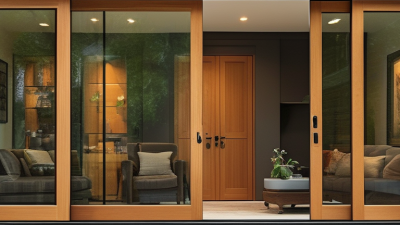
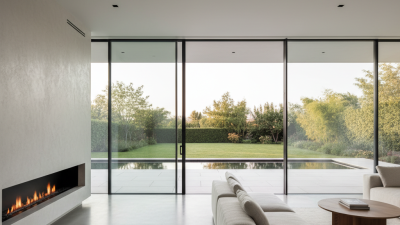
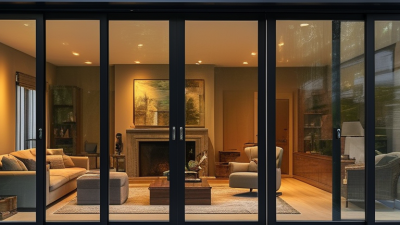
A double sliding door can change how a home feels, not just how it looks. With two moving panels, it creates a wider opening between indoor and outdoor spaces. Morning light can reach deeper into a living room. Fresh air can move through when both panels are opened.

In practical home design, this door style works well for patios, gardens, and compact rooms. It does not need a large swing area, which helps preserve furniture space. However, the benefits depend on the frame, glass quality, drainage, and installation. A poorly fitted door may drag, leak, or weaken a room’s comfort. That detail is easy to overlook.

Look for smooth rollers, secure locks, weather-resistant seals, and low-emissivity glass. These features can improve daily operation and indoor temperature control. Professional measurement also matters, especially in older homes with uneven openings. A qualified installer should check structural support and follow applicable building requirements.

Still, a double sliding door is not automatically the best choice. Large glass areas may require curtains, blinds, or exterior shading. Cleaning tracks can become an annoying routine. Some cheaper systems also feel light and noisy. That is worth questioning.

When selected carefully, the door can support better daylight, easier entertaining, and a stronger connection with the outdoors. The right decision comes from balancing appearance, performance, maintenance, and budget. It should feel effortless every day, not only in photographs.
Why Choose a Double Sliding Door for Your Home?

What Is a Double Sliding Door? Panels, Tracks, and Operating Configurations

Why Choose a Double Sliding Door for Your Home?

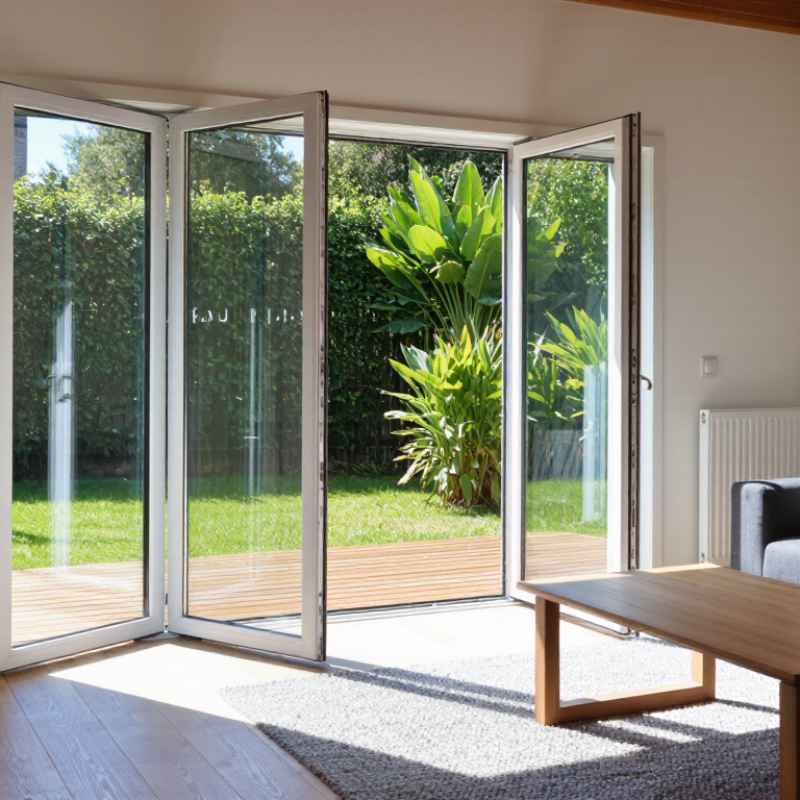
A double sliding door uses two large panels moving along parallel tracks. Depending on the design, both panels can slide apart from the center, or one panel can move behind the other. This creates a wide opening for patios, gardens, and bright living areas. Some systems use a fixed panel beside a sliding panel. Others allow both panels to operate independently.

Tracks control the door’s movement and support its weight. Bottom-rolling tracks are common because they handle heavier glass panels effectively. However, they need regular cleaning, especially near outdoor entrances. Top-hung systems create a cleaner floor line, but the overhead structure must be strong and accurately installed. Even a small alignment error can cause dragging, noise, or uneven gaps. That detail is easy to underestimate.

Panel size also affects daily comfort. Wider panels provide better views but may require more force to operate. A center-opening configuration feels balanced and offers a broad entrance. A one-sided configuration may work better when furniture or walls limit clearance. Check the wall space, floor level, drainage, seals, and handle position before ordering. On real projects, measurements often change after skirting boards or finished flooring are installed. I would recheck those details, even when the opening appears perfectly square.

How Wide Openings and Clearances Determine Double-Door Suitability

Why Choose a Double Sliding Door for Your Home?

How Wide Openings and Clearances Determine Double-Door Suitability

A double sliding door suits homes with broad openings and limited swing space. Both panels move sideways, creating a generous central passage. This layout works well beside patios, dining areas, and compact hallways. However, the wall must provide enough clear space for each panel. Measure the finished opening, not just the rough framing. Include plaster, trim, flooring, and any future wall coverings.

A practical installation needs more than width. Check the side pockets, track length, handle projection, and nearby furniture. A 2.4-meter opening may look suitable, yet a radiator can block one panel. Curtains can also interfere with movement. Leave room for hands and cleaning tools. The floor should remain level, because small height changes can affect smooth operation. Local building requirements may also specify safety glazing, ventilation, or accessibility details.

I have seen homeowners focus on the opening and overlook the wall beside it. That mistake can make a wide door feel surprisingly narrow. A qualified installer should inspect the structure, drainage, weather exposure, and fixing points before ordering. Measurements should be recorded twice. Still, even careful planning can miss a hidden cable or uneven threshold. That is why a site survey matters. Sometimes, a narrower single slider performs better than an ambitious double-door design. Wide is not always practical.

NFRC U-Factor, SHGC, and Air-Leakage Ratings for Energy Performance

Why Choose a Double Sliding Door for Your Home?

NFRC U-Factor, SHGC, and Air-Leakage Ratings for Energy Performance

A double sliding door can brighten a living room and connect it with a patio. Its wide glass opening also increases heat gain and potential drafts. Energy performance needs more than attractive frames and smooth rollers. I have noticed condensation forming first near poorly sealed edges. Small details matter.

NFRC U-Factor
SHGC
Air-Leakage Ratings

The NFRC U-Factor measures how quickly heat passes through the door. Lower values usually indicate better insulation.

SHGC shows how much solar heat enters through the glass. A lower SHGC may suit sunny rooms, while a higher value can help in colder climates.

Air-leakage ratings measure unwanted air movement through closed doors. Lower leakage generally means improved comfort and fewer drafts.

Compare ratings for the exact door size and glass package. Check your local climate carefully. Installation matters just as much. Even a well-rated door may perform poorly with uneven tracks or compressed weatherstripping. That part is easy to underestimate.

NFRC ratings offer reliable comparisons, but they do not predict every home’s results. Interior shades, exterior exposure, and daily use also change performance. I would avoid choosing by U-Factor alone. A balanced decision considers all three ratings, frame quality, drainage, and professional installation. Ask for documented test information before ordering, especially when large glass panels face strong afternoon sun.

FGIA Installation Standards: Structural Support, Weatherproofing, and Safety

Why Choose a Double Sliding Door for Your Home?

A double sliding door can open a room to a patio, garden, or balcony. Its wide glass area brings in daylight without requiring a large swing radius. However, the door’s performance depends heavily on correct installation. FGIA installation standards emphasize structural support, weatherproofing, and safe operation.

The opening must carry the door’s weight without transferring movement into the frame. A qualified installer should verify the header, sill, and side jambs before setting the unit. Solid shims should support load-bearing points, while approved fasteners keep the frame aligned. Even a small twist can affect the rollers and create uneven gaps.

Weather protection starts below the threshold. A properly sloped sill pan helps direct water outward. Flashing should overlap in the correct sequence, and sealant should fill suitable joints without blocking drainage paths. The exterior wall must shed water, not trap it behind the frame. This detail is easy to overlook.

Safety also deserves practical attention. Tempered or laminated safety glazing may be required in hazardous locations. Anti-lift features, secure locks, and smooth rollers help prevent accidents. Test the panels after installation. They should move steadily, stop cleanly, and remain aligned. In my experience, “almost level” is not level enough. Installation problems sometimes appear only after heavy rain or seasonal movement. Regularly checking the sill, seals, and hardware can reveal small issues before they become expensive repairs.

Why Choose a Double Sliding Door for Your Home?

A correctly installed double sliding door should address three connected control areas: structural support, weatherproofing, and safe operation. The chart uses a standards-based installation checklist, where each bar represents the number of essential verification points in that area.

Reference framework: FGIA/AAMA installation practices and ASTM E2112 guidance for exterior windows, doors, and skylights. The values are checklist counts, not laboratory performance ratings.

How to Compare Glazing, Hardware, Maintenance, and Life-Cycle Costs

Why Choose a Double Sliding Door for Your Home?

A double sliding door can improve daylight, ventilation, and access to outdoor space. Its value depends on more than glass size. The U.S. Department of Energy’s Energy Saver guidance estimates that windows cause 25–30% of household heating and cooling energy use. Poorly specified sliding doors can contribute to that loss. Compare U-factor, solar heat gain coefficient, visible transmittance, and air leakage. The National Fenestration Rating Council explains these ratings on its product labels. Lower U-factor generally means better insulation.

Glazing should match your climate and room orientation. Low-emissivity double glazing may reduce winter heat loss, while lower solar gain can help sunny rooms. However, extra glass can increase summer cooling demand. Hardware also deserves close inspection. Smooth rollers, adjustable panels, corrosion-resistant tracks, and secure multipoint locks affect daily performance. The AAMA/WDMA/CSA 101/I.S.2/A440 standard provides a useful framework for comparing air, water, and structural performance. I would not judge quality by appearance alone. A beautiful door with weak weather seals may become frustrating within a few seasons.

Tips: Request the NFRC label and installation details. Compare frame, glass, and hardware warranties separately. Include cleaning, roller replacement, seal renewal, and energy costs in a life-cycle spreadsheet. NIST Handbook 135 recommends evaluating initial and future costs over a defined study period. A cheaper door can win initially, but not always over twenty years. Inspect the bottom track after rain. Small debris can quietly damage rollers.

Go to Top