How to Choose the Best Exterior Sliding Doors for Your Home?
Choosing the right exterior sliding doors can transform your home. These doors not only enhance aesthetics but also improve functionality. With various designs, materials, and features available, making the right choice can feel overwhelming.
Consider your specific needs. Are you looking for energy efficiency, security, or style? Each aspect plays a role in your decision. For instance, glass panels can bring in natural light, creating a vibrant space. However, they may require more cleaning and can raise security concerns.
Think about the installation process too. Some doors are easier to install than others. Researching professional installation can save you time and headaches. The market offers both pre-hung options and custom builds. Each has its pros and cons. Reflect on these factors carefully to find the best fit for your home.
Understanding the Different Types of Exterior Sliding Doors Available
When selecting exterior sliding doors, understanding the various types available is crucial. Common options include traditional sliding glass doors, pocket doors, and bi-fold doors. Each type has distinct features and aesthetics.
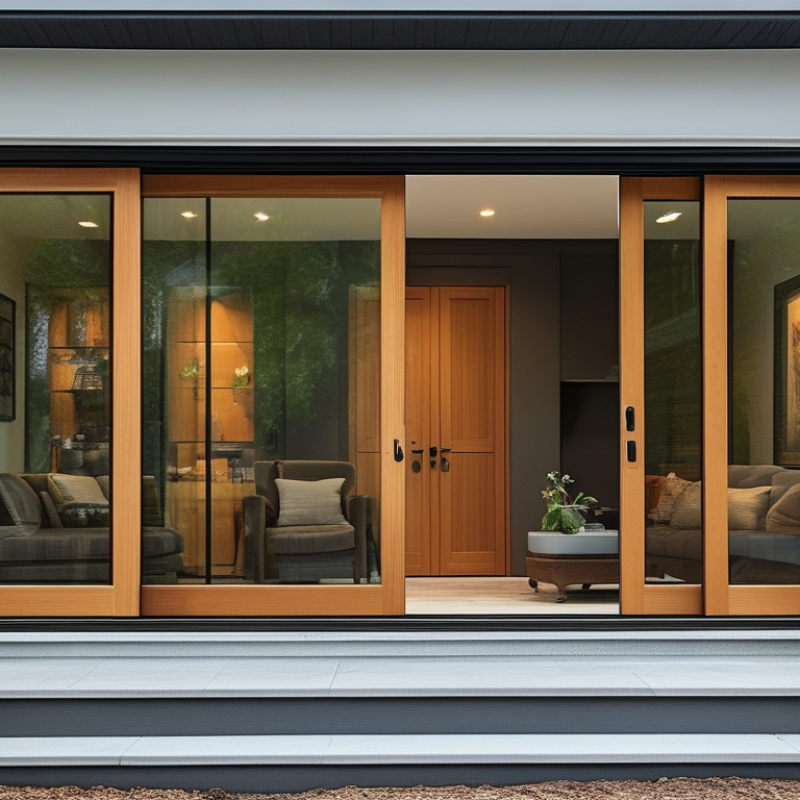
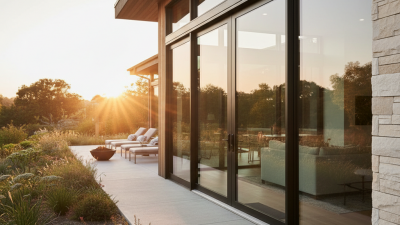
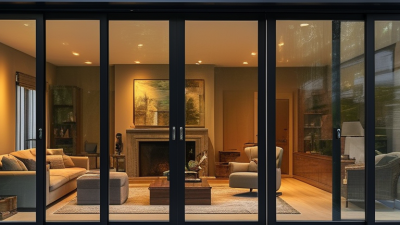
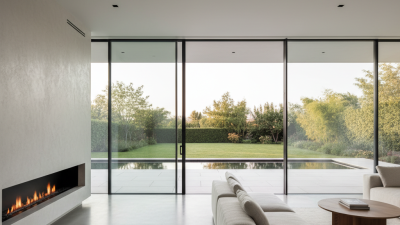
Traditional sliding glass doors glide on tracks and create an open feel. They often feature large panes that allow natural light to flood into your space.
Pocket doors are more space-efficient, as they slide into a wall cavity when opened. This design is perfect for smaller areas where space is limited.
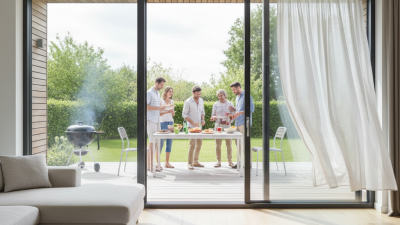
Bi-fold doors provide an elegant transition between indoor and outdoor areas. They fold back, offering a wide opening that enhances your home’s connection to nature.
Consider materials too. Vinyl is low-maintenance, while wood offers a classic appearance but requires upkeep. You might also reflect on energy efficiency. Poorly insulated doors can lead to energy loss. Always think about your climate.
A door suited for a humid area might differ from one for a dry environment. Balancing style, functionality, and durability will guide your decision.
Factors to Consider When Choosing Exterior Sliding Doors for Your Home
Choosing exterior sliding doors for your home involves several critical factors. Security is paramount. According to the National Association of Home Builders, about 60% of break-ins occur through doors and windows. Investing in high-quality locks and materials can significantly enhance safety.
Energy efficiency is another essential consideration. The U.S. Department of Energy states that sliding doors can account for around 20% of a home's energy loss. Opting for doors with double glazing and high insulation ratings can help reduce this loss. Look for doors that meet Energy Star qualifications to ensure optimal performance.
Aesthetic appeal also plays a vital role. Sliding doors can enhance your home’s visual space. They provide natural light and a seamless view of the outdoors. However, homeowners must reflect on their choice. Not all designs suit every home’s style. Measure your space carefully, as ill-fitting doors can disrupt the overall look. Balancing function and style is often challenging but crucial for long-term satisfaction.
How to Choose the Best Exterior Sliding Doors for Your Home?
| Factor |
Description |
Considerations |
| Material |
Types of materials available, including wood, vinyl, aluminum, and fiberglass. |
Durability, maintenance, insulation, and aesthetics. |
| Energy Efficiency |
Rating of insulation and heat transfer efficiency. |
Look for double or triple glazing and low U-factors. |
| Security |
Locking mechanisms and shatter-resistant glass options. |
Consider multi-point locks and reinforced frames. |
| Style |
Various styles available to match your home’s architecture. |
Choose a style that complements both exterior and interior design. |
| Size and Configuration |
Dimensions and arrangement of sliding doors. |
Ensure the size fits your space and consider customizable options. |
| Cost |
Range of prices based on materials, features, and installation. |
Set a budget and compare costs with desired features. |
| Installation |
Process and complexity of installing sliding doors. |
Determine if professional installation is required or if it’s DIY-friendly. |
Evaluating Material Options for Durability and Aesthetics
When choosing exterior sliding doors, material plays a crucial role. Durable materials ensure longevity and can withstand harsh weather conditions. Common options include wood, vinyl, and aluminum. Wood offers classic beauty but requires regular maintenance. Vinyl is low-maintenance and highly energy-efficient, while aluminum provides a modern look and excellent durability.
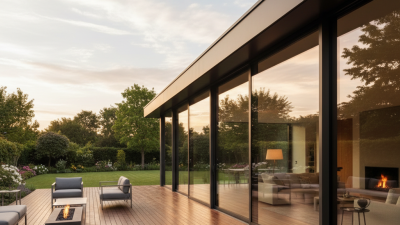
Consider the aesthetics of your home too. The door should match the architectural style. For a contemporary design, sleek aluminum works well. If your home has a rustic charm, stained wood might be ideal. Pay attention to color and finish to enhance your home’s curb appeal.
When evaluating materials, think about potential drawbacks. Wood may warp or rot over time. Vinyl could fade in intense sunlight. Aluminum can dent and scratch easily, affecting its appearance. Research different options and weigh pros and cons. Explore local weather conditions as they impact material performance.
Assessing Energy Efficiency Ratings in Sliding Door Designs
When selecting exterior sliding doors, energy efficiency is crucial. Look for doors with low U-values, indicating minimal heat transfer. A lower U-value means better insulation. Double or triple glazing often provides improved performance. However, costs can rise with better insulation. It's important to balance cost with energy savings.
Another key factor is the Energy Star rating. This label helps identify doors meeting energy efficiency standards. Consider the climate in your area when assessing ratings. What works well in colder regions may not perform as effectively in milder climates. The installation process also affects energy efficiency. Poor installation can lead to drafts and energy loss, even with high-rated doors.
Choosing the right material impacts energy performance too. Fiberglass and vinyl typically offer better insulation than aluminum. However, aesthetics and durability also play roles in your decision. It's worth reflecting on how these choices align with your home's overall design and energy goals. Ultimately, understanding energy efficiency ratings will guide you in making the best choice for your home.
Energy Efficiency Ratings of Exterior Sliding Doors
Installation Tips and Maintenance for Longevity of Sliding Doors
Installing exterior sliding doors can greatly enhance your home’s aesthetics and functionality. However, achieving optimal performance requires attention to installation and maintenance. Experts recommend ensuring precise measurements during installation. An ill-fitting door can result in air leaks and may lead to increased energy costs, as shown in a study by the U.S. Department of Energy. Proper insulation is critical in maintaining energy efficiency.
Regular maintenance is key to extending the lifespan of sliding doors. Keeping tracks clean and lubricating rollers can prevent operational issues. Research highlights that approximately 25% of homeowners neglect track maintenance, often resulting in costly repairs. Additionally, checking seals and weather-stripping regularly prevents water damage and improves energy efficiency. Experts emphasize that a little effort can avoid major issues down the road.
Some homeowners overlook the importance of selecting quality materials. While cost is a factor, investing in durable materials pays off. A survey found that nearly 70% of homeowners experience frequent issues with low-quality sliding doors after just a few years. Consider consulting a professional for installation guidance to ensure the longevity and performance of your sliding doors.