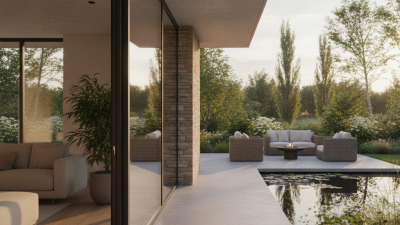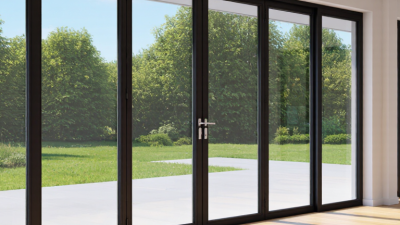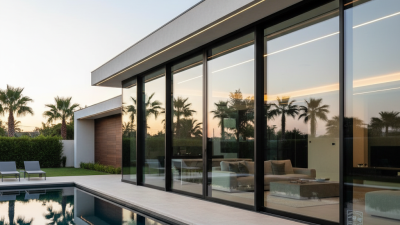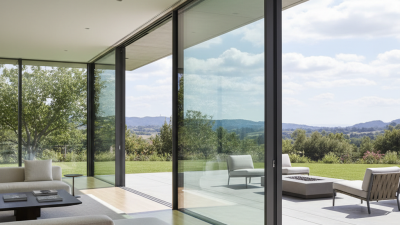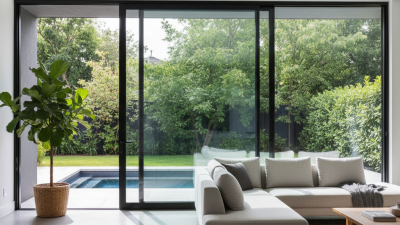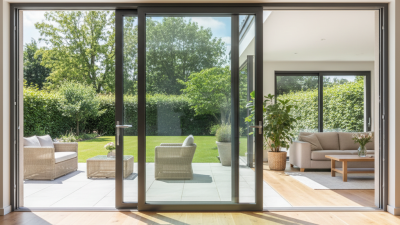

Black sliding glass doors combine expansive views with a clean, modern profile. For global buyers, however, appearance is only one part of the decision. Frame strength, glazing, hardware, and local climate all affect performance. Small details matter.
The U.S. Department of Energy reports that heat gain and loss through windows account for about 25%–30% of residential heating and cooling energy use. This figure concerns windows, not sliding doors specifically, so it should not be treated as a product-performance guarantee. Still, it highlights why buyers should compare glass specifications, air leakage ratings, and thermal performance—not color alone. A dark finish can look striking in a showroom, yet poorly selected glazing may create comfort or energy concerns in a sunny room.
This guide explores black sliding glass doors for homeowners, architects, and distributors sourcing across markets. It considers frame materials, glass options, security features, maintenance, and supplier questions. Ask for documented test results and clear warranty terms. Check dimensions carefully. Regional standards and installation conditions vary, and one specification may not suit every project. Even experienced buyers can overlook drainage or hardware replacement access. That is worth admitting. A polished finish is easy to photograph; long-term performance is harder to judge without reliable product data and careful installation planning.
Black sliding glass doors are more than dark frames and wide panes. Their performance depends on how the frame, glass, seals, and track work together.
A typical assembly includes fixed and sliding panels, roller hardware, weatherstripping, a meeting interlock, and drainage paths.
Look closely at the sill: small debris can obstruct drainage, while poorly adjusted rollers may make a heavy panel drag. Smooth movement matters.
Black finishes create a crisp outline, but dark surfaces can absorb more solar heat. Frame material, thermal breaks, glass coatings, and orientation all affect comfort.
The U.S. Department of Energy estimates that heat gain and loss through windows account for 25–30% of residential heating and cooling energy use.
That figure covers windows broadly, not sliding doors alone, so it should guide questions rather than promise savings. Ask for the door’s tested U-factor and solar heat gain coefficient, then compare ratings for the same climate and configuration.
The National Fenestration Rating Council provides standardized product ratings. Details matter.
A sleek profile can still disappoint if its seals compress unevenly or its track lacks adequate drainage.
For homes, black sliding glass doors commonly use two-panel, three-panel, or fixed-and-sliding layouts. A two-panel unit suits a patio opening, while a three-panel configuration can create a wider clear passage. Black frames sharpen the contrast with pale walls and timber floors.
Check the handle position and panel overlap before ordering; a beautiful layout can feel awkward when furniture blocks the moving panel. Small details matter.
Pocket systems slide into a wall cavity, creating an open, unobstructed entrance, but they need suitable wall construction and careful planning. For larger residential openings, multi-track doors stack several panels to one side. Track depth, drainage, weather seals, and glass performance deserve attention, especially where wind or temperature changes are common.
Commercial spaces often use wider multi-panel or center-opening configurations for entrances, dining areas, and meeting rooms. Frequent foot traffic makes durable rollers, secure locks, and easy-clean tracks practical priorities. Low or flush thresholds can improve movement between interior and exterior floors, though drainage must still be handled well.
Specifications should be checked against the project conditions and local requirements. Measurements are easy to get wrong.
On site, even a small floor-level difference can affect smooth panel movement, so installers should verify the opening before fabrication.
For global buyers, the best black sliding glass door starts with the glass, not the color. Double-glazed low-e glass can reduce heat transfer while preserving daylight. The U.S. Department of Energy reports that windows may cause 25–30% of residential heating and cooling energy use. In hot climates, solar-control glass can limit glare and indoor overheating. Laminated glass also improves sound reduction and impact safety. Tempered glass remains essential for many large sliding panels.
The frame needs careful specification. Thermally broken aluminum separates the exterior metal from the interior profile, reducing conductive heat loss. This matters in cold regions. It also limits condensation around the black frame. The frame should include drainage channels and adjustable rollers. Poor drainage becomes obvious after heavy rain. UNEP’s 2023 Global Status Report states that buildings consume about 30% of global final energy. Efficient doors are a small detail, but repeated across projects, details matter.
Hardware should match local exposure. Stainless steel components suit humid or coastal locations better than ordinary steel. A multi-point lock can improve air control, though installation quality still decides performance. Powder-coated black finishes resist wear, but dark surfaces absorb more solar heat. Request coating thickness, corrosion testing, and color stability data. NFRC labels help compare U-factor and solar heat gain performance, although local standards may differ. Matte black looks refined; it also shows dust and fingerprints quickly. That trade-off is easy to underestimate.
Top Black Sliding Glass Doors for Global Buyers?
For a black sliding glass door, appearance is only part of the decision. Safety starts with glass suited to the opening and local building requirements. Tempered or laminated glass can reduce injury risks when broken, but they perform differently. Ask for documented test results, not just a general “safety glass” claim. A sturdy lock and correctly secured frame matter too. Small details matter.
Energy performance depends on the whole assembly: glass, frame, seals, and installation. Low-emissivity glazing and insulated frames may help limit heat transfer, while tight weather seals reduce drafts. Black surfaces can become hot in direct sun, so consider orientation and shading. I would not judge efficiency by glass specifications alone; a small installation gap can undermine them. Weather resistance also varies with climate. Check tested air and water performance, drainage paths, and finish suitability for coastal or humid locations. Ratings are useful, but they do not replace proper installation.
Tips: Before ordering, compare the door’s tested performance with your project’s climate and requirements. Ask how the sill drains, inspect the seals, and confirm who handles installation. If possible, slide a sample unit; a smooth demo does not guarantee years of smooth use. That part deserves a little skepticism.
These bars show the maximum U-factor thresholds in ENERGY STAR Version 7.0 for qualifying residential windows and doors. U-factor measures heat transfer; lower values indicate better insulation. When comparing doors, also check that the specific product meets applicable safety-glazing requirements and has appropriate air, water, and structural performance ratings for its installation location.
Source: ENERGY STAR Version 7.0 Residential Windows, Doors, and Skylights criteria. Thresholds vary by U.S. climate zone; verify current requirements and product certification before purchase.
How Global Buyers Can Compare Suppliers and Select a Suitable Door
Choosing a black sliding glass door involves more than comparing photographs and prices. Ask suppliers for frame material, glass build, track dimensions, and written performance data. A slim black frame can look elegant, but its finish should resist scratches and fading. Request close-up photos of corners, rollers, and drainage details. Small parts matter.
Compare suppliers using the same project requirements. Share the opening width, height, wall type, installation location, and expected use. Then check whether each quote clearly lists glass thickness, hardware, finish, packaging, and lead time. Ask how measurements are verified before production and what inspection records are provided. If specifications differ, a lower price may not represent a like-for-like offer. Shipping estimates also deserve scrutiny; packaging details can affect the condition of the frame on arrival.
Tips: Request a sample finish and a dimensioned drawing before placing a large order. Confirm the track’s load rating and ask how replacement rollers can be sourced. Keep answers in writing. One detail is easy to miss: a dark finish may show dust or water marks more clearly in bright rooms. Compare samples in the actual lighting, not only on a screen. No supplier can remove every project risk, so allow time to review unclear details.