2026 How to Choose the Best Sliding Glass Patio Doors?
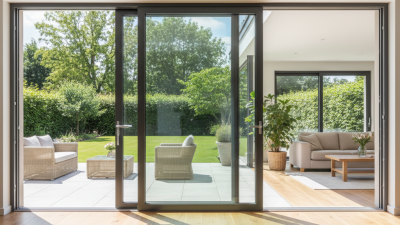
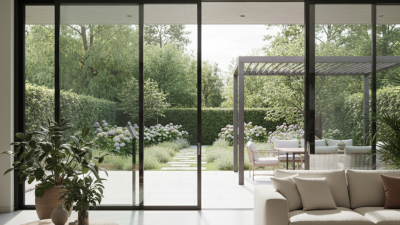
Choosing the right sliding glass patio doors can transform your outdoor space. According to John Smith, a leading expert in home renovations, "The right doors can create a seamless connection between your home and nature." Sliding glass patio doors not only enhance aesthetics but also improve functionality.
When selecting sliding glass patio doors, consider the size, style, and material. It’s essential to think about energy efficiency as well. Many doors today offer superior insulation, but not all products are created equal. You might find yourself pondering over details such as lock systems and frame durability. It's crucial to weigh these aspects carefully.
Moreover, don’t overlook the installation process. A poorly installed door can lead to leaks and security issues. Investing time in research can prevent regret later on. Taking these factors into account will help you choose the best sliding glass patio doors for your needs. Remember that a well-informed decision can enhance both your home's style and energy efficiency.
Choosing the Right Material for Sliding Glass Patio Doors
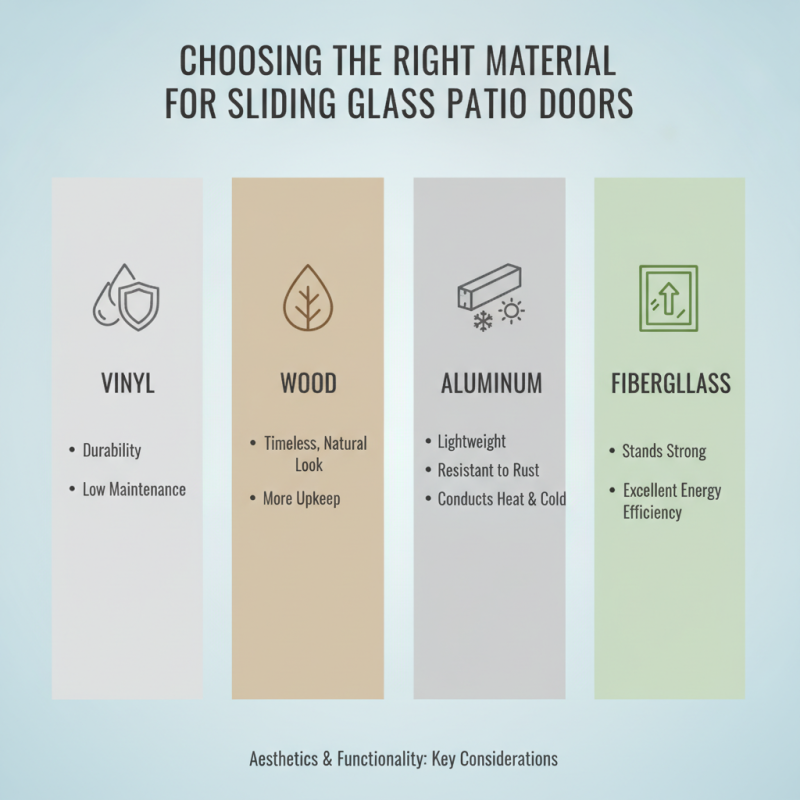
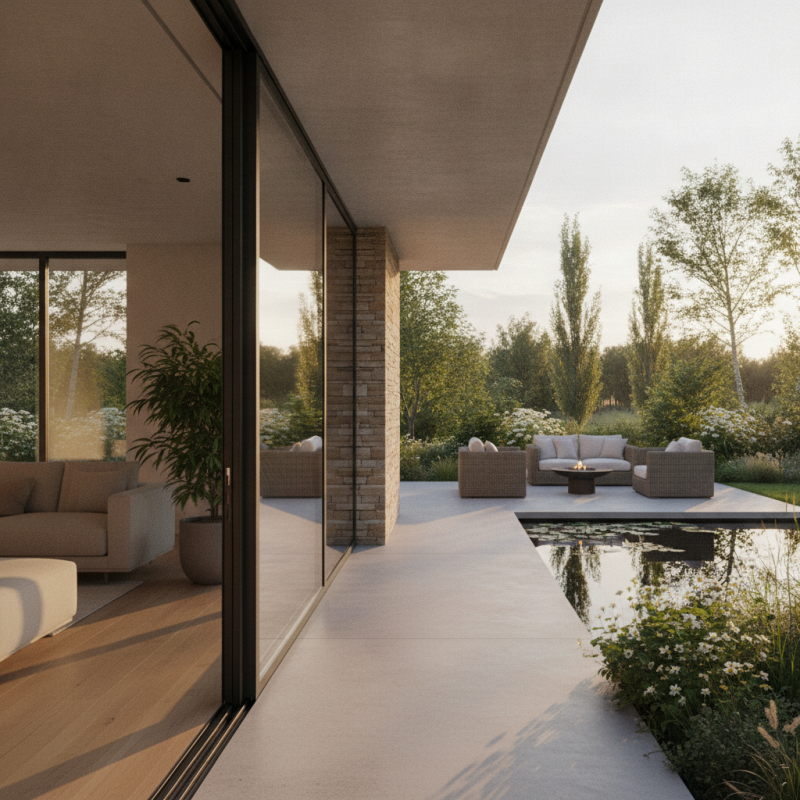
When selecting the right material for sliding glass patio doors, consider both aesthetics and functionality. The most common materials include vinyl, wood, aluminum, and fiberglass. Vinyl is known for its durability and low maintenance, making it a popular choice. Wood offers a timeless, natural look but requires more upkeep. Aluminum is lightweight and resistant to rust but can conduct heat and cold. Fiberglass stands strong against the elements and offers excellent energy efficiency.
Tips: Always check the insulation properties of each material. Poor insulation can increase energy bills. If aesthetics are important, wood may be appealing. However, think about the long-term care required for wood doors.
Consider the climate in your area. In humid regions, vinyl may perform better. In colder climates, choose materials with good thermal resistance. Reflect on the cost versus lifespan. Sometimes spending more upfront saves money long-term.
Choosing the right material involves a balance of durability, maintenance, and appearance. Take the time to weigh these factors carefully. Don't rush the decision. The right choice enhances both comfort and style in your living space.
Understanding Energy Efficiency Ratings for Patio Doors
When selecting sliding glass patio doors, understanding energy efficiency ratings is crucial. These ratings help homeowners make informed choices. Look for measurements like U-factor, Solar Heat Gain Coefficient, and Energy Rating. Higher energy efficiency translates to lower utility bills and a more comfortable home environment.
The U-factor indicates how well the doors insulate against heat loss. A lower U-factor means better insulation. The Solar Heat Gain Coefficient reflects how much solar radiation can enter your home. A low SHGC is ideal for hot climates but may not suit every environment. Always assess which rating fits your needs best.
Energy ratings also reflect the overall performance of the door. Be cautious, as marketing claims can sometimes mislead. Not every efficient door is perfect for your home. Consider climate, placement, and personal lifestyle. Sometimes, the most energy-efficient choice may not align with your aesthetic preferences. Balancing efficiency with appearance can be challenging but essential for satisfaction.
2026 How to Choose the Best Sliding Glass Patio Doors? - Understanding Energy Efficiency Ratings for Patio Doors
| Feature |
Description |
Energy Efficiency Rating |
| U-Factor |
Measures the rate of heat transfer; lower values indicate better insulation. |
0.30 or less is ideal |
| SHGC (Solar Heat Gain Coefficient) |
Indicates how much solar heat is admitted; lower values mean less heat gain. |
0.25 for cooler climates |
| VT (Visible Transmittance) |
Measures how much light comes through; higher values are better for natural light. |
0.50 or higher recommended |
| Frame Materials |
Material affects energy efficiency; look for options like vinyl or fiberglass. |
Consider thermal performance |
| Warranty |
Check if coverage includes glass and frame; longer warranty indicates better quality. |
10 years or more is preferable |
Evaluating Security Features in Sliding Glass Patio Doors
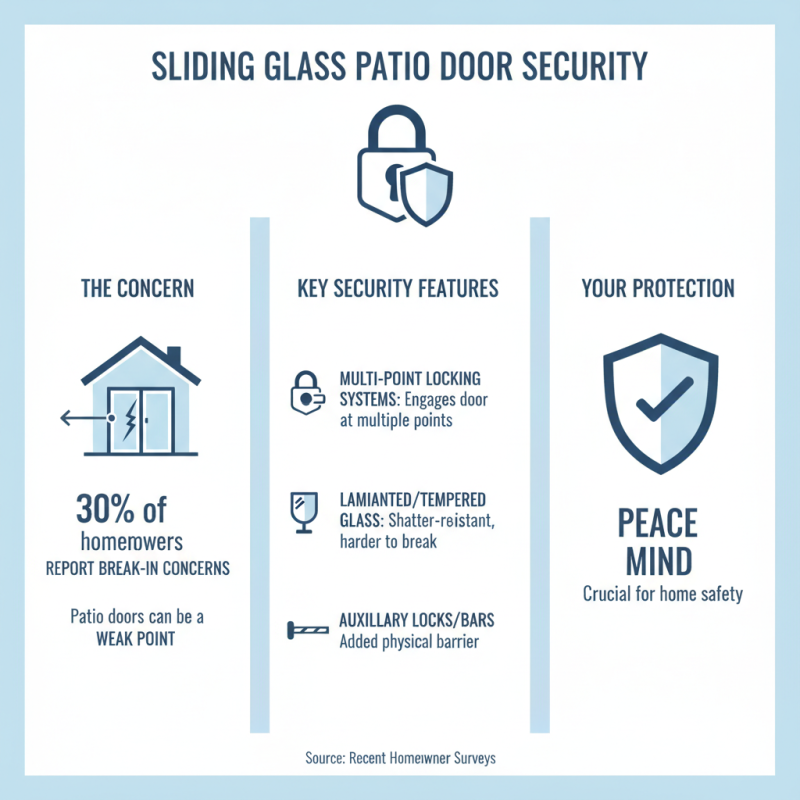
When selecting sliding glass patio doors, security features are essential. In recent surveys, nearly 30% of homeowners reported experiencing concerns about break-ins through patio doors. Sliding glass doors can be a vulnerability. Therefore, understanding their security elements is critical.
Many sliding glass doors come equipped with multi-point locking systems. These locks engage at multiple points along the frame, reducing the risk of forced entry. A report by the National Association of Home Builders indicates that homes with secure doors are less likely to be targeted. In fact, properties with enhanced locking mechanisms have shown a significant reduction in burglary attempts.
Consider materials as well. Tempered safety glass is a popular choice. This type of glass is made to withstand impact. However, not all doors use the same quality of glass. It’s necessary to verify the specifications. Additionally, some doors offer reinforced frames, which can deter intruders. Regular assessment of the locking mechanism and glass integrity is vital. Homeowners should perform checks and be vigilant about wear and tear. Security features matter not just for peace of mind but for overall home safety.
Comparing Styles and Designs of Sliding Glass Patio Doors
When choosing sliding glass patio doors, understanding styles and designs is essential. The most popular styles include contemporary, traditional, and modern. Each style serves different aesthetic preferences and functional needs. According to a recent report by the American Architectural Manufacturers Association, sliding glass doors account for over 40% of patio door sales. This highlights their prominence in home design.
Contemporary sliding doors often feature clean lines and minimal detailing. They allow natural light to flood the space and provide easy outdoor access. In contrast, traditional styles may include more decorative elements, like grids. These styles can blend well with classic home designs. A 2022 survey found that 57% of homeowners prefer contemporary designs for new installations, favoring sleek aesthetics.
Design also involves energy efficiency. Look for doors with low-E glass coatings. These coatings improve insulation and can reduce energy bills by up to 25%. While many models boast these features, not all offer the same level of performance. Homeowners should consider long-term energy savings against initial costs. It is not a straightforward choice, and the right door depends on individual needs.
Assessing Installation and Maintenance Considerations for Patio Doors
When considering sliding glass patio doors, installation and maintenance are crucial aspects to evaluate. Proper installation ensures energy efficiency and security, impacting long-term performance. A report by the National Association of Home Builders indicates that poorly installed doors can lead to drafts, costing homeowners about $300 annually in heating and cooling.
Choosing the right materials plays a significant role in maintenance. For instance, vinyl and fiberglass doors require less upkeep than wood. However, wood doors add aesthetic charm but demand regular sealing and painting. According to the American Architectural Manufacturers Association, homeowners should inspect seals regularly, as damaged seals can lead to moisture accumulation and costly repairs.
Even with careful selection and installation, challenges may arise. Manufacturers' warranties generally cover defects but not wear and tear from improper maintenance. Homeowners must stay vigilant, ensuring that tracks are clean and functional. This proactive approach can prolong the lifespan of patio doors significantly, making it essential to prioritize these factors in your decision-making process.