Why Choose Black Sliding Glass Doors for Modern Homes?
Why Choose Black Sliding Glass Doors for Modern Homes?
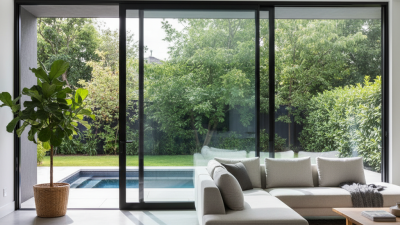
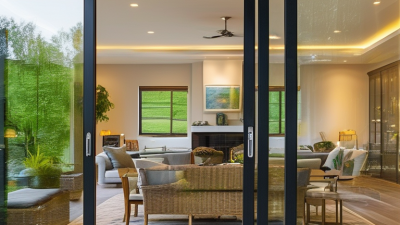
Black sliding glass doors have become a defining feature of contemporary residential design. Their slim frames create strong visual lines, while broad glass panels bring daylight deep into living rooms, kitchens, and garden-facing spaces. The effect is immediate. A dark frame can make pale walls look cleaner and outdoor greenery appear more vivid. Charles Eames, a respected product and architectural design authority, said, “The details are not the details. They make the design.” His words explain why frame thickness, handle shape, track quality, and glass performance matter so much.
Beyond appearance, these doors can improve how a home feels and functions. A well-installed system may connect an indoor seating area with a patio without requiring extra floor space. Low-E glass can help manage solar heat, while insulated frames support better indoor comfort. Smooth rollers also make daily movement quieter and easier. Small details matter here.
However, black finishes are not completely effortless. Dust, fingerprints, and condensation may show more clearly against the dark surface. Poorly sealed doors can also produce drafts, noise, or difficult operation. That risk deserves attention. Homeowners should compare frame materials, drainage design, locking systems, glass ratings, and installation experience before choosing a style. The most attractive door is not always the best-performing one. Sometimes, restraint is wiser than drama. When design and engineering work together, black sliding glass doors can offer a durable, practical, and visually confident solution for modern homes.
What Are Black Sliding Glass Doors?
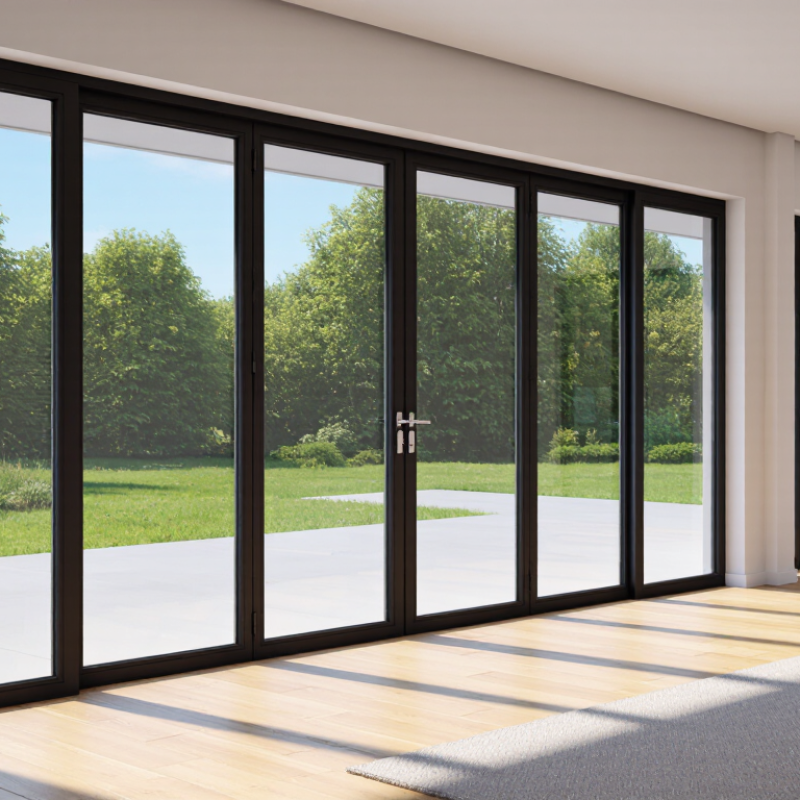
Black sliding glass doors are large glazed door panels that move horizontally along a track. Their frames usually feature a black powder-coated aluminum or steel finish. This dark outline creates a strong contrast against clear glass, pale walls, timber floors, or concrete surfaces.
Unlike hinged doors, sliding glass doors need little swing space. One panel travels behind, beside, or across another panel. Modern systems may use double glazing, weather seals, safety glass, and adjustable rollers. These details affect comfort, security, noise control, and long-term movement. A door can look elegant but still feel disappointing if the track collects grit or the rollers are poorly aligned.
Size matters in real homes. A wide opening can bring daylight into a kitchen and connect it with a patio. However, larger glass panels also add weight and may increase heat gain near sunny windows. Low-emissivity glass and suitable shading can help manage this problem. I would not describe black frames as automatically practical. Dust can show clearly on the dark finish, especially around the lower track. Regular cleaning remains necessary. During planning, check wall strength, drainage, handle clearance, and the floor level carefully. A small installation error can make daily sliding feel rough. The visual effect is powerful, but the hardware deserves equal attention.
Why Choose Black Sliding Glass Doors for Modern Homes?
Common Nominal Sliding Glass Door Sizes
Black sliding glass doors combine a strong visual frame with large glazed openings. The chart shows common nominal residential widths at an 80-inch height and the approximate glass opening area calculated from those dimensions.
How to read the chart: Wider doors provide more daylight, views, and access between indoor and outdoor spaces. The black finish is primarily a design choice; thermal performance depends on the glass specification, frame construction, weather seals, and installation quality.
How Do Black Sliding Glass Doors Work?
Black sliding glass doors operate through a simple movement system hidden beneath their clean appearance. Large glass panels sit inside lightweight frames, supported by adjustable rollers. These rollers move along a level track, allowing the door to glide sideways instead of swinging outward.
A handle activates a latch that connects with the frame’s locking point. Weather seals press against the meeting edges and reduce drafts, dust, and rainwater. High-quality panels often use insulated, tempered, or laminated glass for safety and energy control. The frame may also include thermal breaks, which limit heat transfer between the indoor and outdoor surfaces. Small drainage channels guide trapped water toward the exterior. That detail matters during heavy rain.
Installation accuracy controls the door’s daily performance. The opening must be square, the track must remain perfectly level, and the wall must support the system securely. A slight error can create rubbing, uneven gaps, or difficult movement. The problem is easy to underestimate. Regular cleaning keeps grit away from the rollers, while occasional adjustment restores smooth operation. In practical inspections, the track often receives less attention than the glass, although it carries the moving load. Black finishes can also reveal dust and scratches more clearly. This is not a serious weakness, but it requires realistic maintenance expectations.
What Benefits Do They Offer Modern Homes?
Black sliding glass doors give modern homes a sharper architectural character. Their dark frames create contrast against pale walls, timber floors, and green gardens. More importantly, large glass panels can expand daylight and improve visual connection with outdoor spaces. The U.S. Department of Energy reports that windows can account for 25–30% of residential heating and cooling energy use. Therefore, appearance should never replace thermal performance.
Well-designed doors can support comfort when paired with low-emissivity glass, insulated frames, and properly rated seals. The National Fenestration Rating Council recommends comparing U-factor and solar heat gain coefficient values before purchase. A lower U-factor generally means better insulation, while an appropriate solar heat gain coefficient can reduce unwanted heat. Black frames may absorb more sunlight than lighter finishes, especially on south-facing elevations. That detail is easy to overlook. A shaded overhang, exterior screen, or carefully selected glazing can help manage indoor temperatures.
Tips: Measure the opening twice, then confirm the wall structure can support the door system. Choose smooth rollers and corrosion-resistant hardware for frequent use. Inspect drainage channels after installation. Even excellent doors can perform poorly when fitted carelessly. Consider furniture placement too, because strong afternoon glare can affect screens and seating comfort. These doors are attractive, but they require thoughtful orientation and maintenance.
Which Materials and Glass Options Are Available?
Black sliding glass doors suit modern homes because their dark frames create a sharp outline against pale walls, timber floors, or garden greenery. The frame material affects more than appearance. Powder-coated aluminum is lightweight, resists corrosion, and needs little maintenance. Choose a thermally broken frame for better indoor comfort. Steel offers a slimmer, stronger profile, but it can feel colder and may require more careful protection. Timber frames add warmth and can be repaired, although they need regular sealing. Composite or uPVC options can improve insulation, yet their profiles may look heavier.
The glass choice
The glass choice should match the room, climate, and privacy needs. Double glazing is a practical standard for many homes, while triple glazing may help in colder or noisier locations. Low-emissivity glass reduces heat transfer without making the room feel dark. Tempered glass improves safety because it breaks into smaller pieces. Laminated glass holds together after impact and can reduce outside noise. Frosted or acid-etched glass supports privacy near bathrooms or busy walkways. Tinted glass can limit glare, but very dark tints may change how colors appear indoors.
I have found that black frames show dust, fingerprints, and salt marks more clearly than lighter finishes. That is not a deal-breaker. It simply demands realistic cleaning habits. Check drainage channels, roller quality, weather seals, and handle strength before choosing a design. A large panel may look elegant, but it can become difficult to move if hardware is undersized or poorly adjusted. Get measured advice for the opening, especially when combining heavy laminated or triple-glazed panels.
How Should They Be Selected and Maintained?
Black sliding glass doors suit modern homes, but appearance should not drive the decision alone. Measure the opening carefully, including wall depth and floor level. A small error can create drafts, uneven movement, or costly adjustments. Choose double-glazed glass when insulation and indoor comfort matter. Low-emissivity coatings can also reduce heat transfer. However, confirm the glass specification for your local climate.
Check the frame before admiring its finish. Powder-coated aluminum is durable, but dark surfaces may become hot in strong sunlight. Ask about thermal breaks and finish warranties. The rollers should feel smooth, quiet, and stable during several test movements. Strong weather seals matter too. Do not ignore the handle height. Daily comfort matters more than showroom style.
Maintenance is simple, though many homeowners postpone it. Vacuum the lower track every few weeks, especially after windy weather. Wipe the glass with clean water and a soft microfiber cloth. Use mild, pH-neutral soap for fingerprints. Avoid abrasive pads; they can dull the black frame and scratch glass coatings. Inspect rollers, seals, and drainage holes twice yearly. Apply lubricant only when the hardware instructions allow it.
Black shows dust quickly. That is the trade-off. If the door drags, do not force it; adjustment may prevent larger damage. I have seen small grit become a serious roller problem. Still, cleaning schedules are easy to neglect. Set a reminder, and reassess the door after each season.