

What Are the Top 10 Vinyl Siding Options in China?
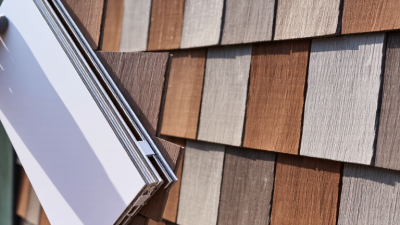
China’s vinyl siding market offers more than one look. A pale stone-gray panel can resemble painted clapboard, while a warm cedar-tone profile brings texture to a modern facade. The right choice depends on more than color. Climate exposure, wall preparation, panel thickness, finish, and installation quality all affect long-term performance.
This guide compares ten vinyl siding options available to Chinese buyers, including traditional lap profiles, vertical boards, shake-inspired panels, and insulated products. It considers practical details: how a finish appears in strong sunlight, whether a panel’s texture looks convincing up close, and what maintenance the surface may need. Product availability and specifications can vary by supplier, so buyers should verify current technical data and warranty terms before making a decision.
A useful principle is simple: “Compare the complete wall system, not just the panel.” No named expert quotation is included here because no verifiable source was supplied; inventing an attribution would undermine the reliability this topic deserves. That caveat matters. Vinyl siding options are not interchangeable, and the lowest initial price may leave important questions unanswered about accessories, installation, or support. Some comparisons remain imperfect. Still, careful checks can help homeowners, designers, and contractors narrow the field with clearer expectations.
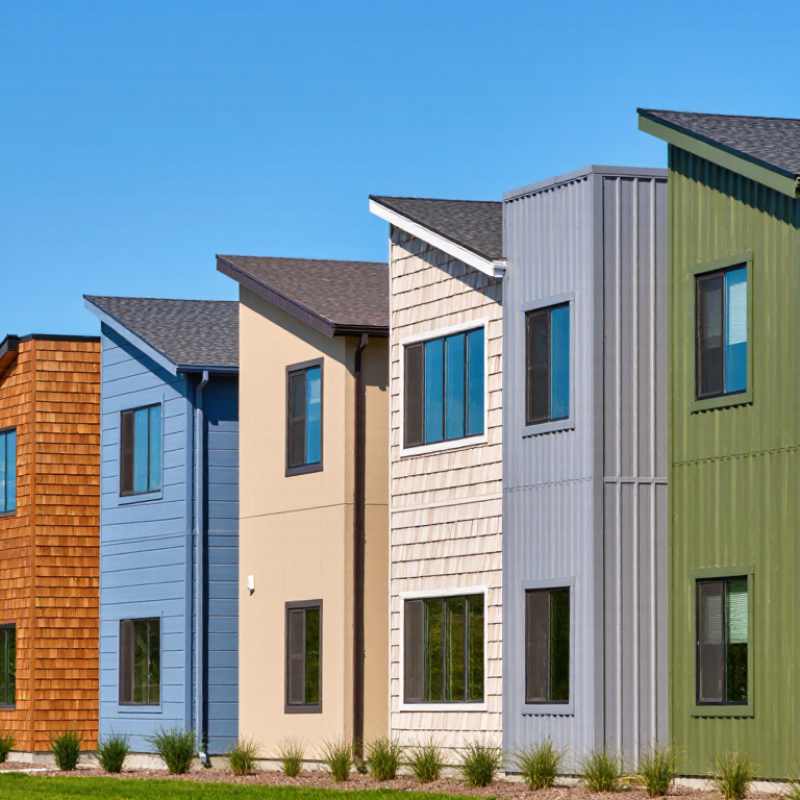
Understanding Vinyl Siding and Its Use in China
Vinyl siding is a lightweight exterior cladding made from rigid PVC. It can suit homes and low-rise buildings in China, but performance depends on climate, installation, and the wall behind it. The IEA’s Energy Efficiency 2023 report estimates that buildings use roughly one-fifth of China’s final energy. That figure covers many building types, not siding specifically. Still, it highlights why exterior materials should be considered alongside insulation, shading, and airtightness. Vinyl siding alone is not an insulation system or a waterproof barrier.
Local conditions matter. Coastal humidity and strong sun can challenge color stability, while northern freeze-thaw cycles make movement gaps and secure fastening important. ASTM D3679 sets requirements for rigid PVC siding, including weatherability and dimensional stability; buyers can ask for test results against this specification. Details matter. Check panel thickness, locking edges, and installation instructions, then inspect sample panels outdoors rather than under showroom lights. I would not assume a product suited to one Chinese region will suit another. Even careful planning can miss a detail, so verify the complete wall assembly with a qualified local building professional.
The options below cover common vinyl siding profiles and product features, not a verified ranking of sales or availability in China. Profiles and finishes can be combined; suitability depends on the building design, local climate, installation details, and applicable project requirements.
| Option | Profile or feature | Typical use | Practical considerations for projects in China |
|---|---|---|---|
| 1. Horizontal lap siding | Overlapping horizontal courses; a widely recognized siding layout. | Main exterior walls on houses and low-rise buildings. | Detail the drainage plane, flashing, and openings carefully, especially in regions with frequent heavy rain. |
| 2. Dutch lap siding | A horizontal lap profile with a shaped or beveled face that creates a stronger shadow line. | Facades where a more pronounced layered appearance is desired. | Check sample panels in natural light; the profile’s shadows can make colors look different from flat samples. |
| 3. Beaded lap siding | Horizontal courses with a narrow rounded bead detail near the lower edge. | Decorative facades or selected wall sections. | The grooves and beads add visual detail; confirm that the chosen profile has compatible corner and trim components. |
| 4. Board-and-batten siding | A vertical appearance formed by wide panels and narrower raised battens, often made as an integrated profile. | Full elevations, gables, or contrasting facade sections. | Follow the manufacturer’s layout and fastening instructions; allow for PVC movement as temperatures change. |
| 5. Vertical panel siding | Broad panels installed vertically, with relatively simple lines. | Contemporary designs, accent walls, and gable ends. | Use suitable joint, base, and top details to manage water; check wind-load design and fastening requirements for the site. |
| 6. Shake-style siding | Small individual-looking units or panels textured to resemble wood shakes or shingles. | Gables, dormers, and feature areas intended to have a textured appearance. | More pronounced texture can collect dust; review cleaning access and how the pattern aligns at corners and edges. |
| 7. Scalloped siding | Decorative panels with curved lower edges. | Small accent areas, such as upper gables or porch details. | Usually best treated as an architectural accent; confirm compatible trim and transitions with adjacent siding. |
| 8. Insulated vinyl siding | Vinyl panels supplied with a shaped insulation backing, commonly foam. | Projects seeking a more substantial panel profile and additional thermal resistance. | Check declared thermal performance and the complete wall assembly; siding alone does not replace a properly designed insulation system. |
| 9. Woodgrain-embossed siding | A surface texture pressed into vinyl to suggest wood grain; available in different siding profiles. | Facades where a textured, wood-like visual effect is preferred. | Embossing is a surface finish, not wood; request product samples and verify color and finish specifications. |
| 10. Light-colored, UV-stabilized siding | A color and formulation choice that can be offered across multiple panel profiles. | Sun-exposed elevations and projects where lower solar heat absorption than a dark finish is desired. | For areas with strong sun exposure, verify UV-performance information, color limitations, and warranty terms; performance varies by product. |
Important: Vinyl siding expands and contracts with temperature, so installation clearances and fastening must follow the product instructions. Check applicable fire-safety and building requirements for the specific project in China; siding is not a substitute for a compliant wall assembly.
Related Posts
-
Essential Tips for Choosing Vinyl Shake Siding for Your Home?
-
Top Vinyl Siding Options and Tips for Your Home Exterior
-
Best China Vinyl Shake Siding Suppliers for Global Buyers?
-
China Top Vinyl Shake Siding Manufacturers?
-

10 Best Vinyl Siding Options for Your Home in 2023
-
What are the Benefits of Insulated Vinyl Siding for Buyers?