Best China Vinyl Shake Siding Suppliers for Global Buyers?
Choosing the best China vinyl shake siding suppliers requires more than comparing catalog photos and factory prices. Global buyers need dependable product quality, clear specifications, and practical export experience. A strong supplier should explain panel thickness, shake texture, color stability, wind resistance, and installation requirements without vague promises. These details matter when siding must withstand strong sunlight, heavy rain, or repeated seasonal changes.
Factory capability deserves close attention. Buyers should request recent production images, sample panels, test reports, and references from comparable projects. A trustworthy manufacturer can describe its raw material controls, molding process, packaging methods, and inspection procedures in specific terms. Container loading also matters. Poor stacking can damage textured surfaces before the shipment reaches the jobsite. Small details matter.
The phrase “best supplier” is never absolute. One factory may offer excellent custom colors, while another provides faster delivery or stronger technical support. Some suppliers communicate well but lack consistent batch control. Others produce attractive vinyl shake siding but provide weak installation guidance. These limitations should be discussed honestly. Careful buyers can compare warranty terms, replacement policies, production capacity, payment security, and after-sales response before selecting a partner. Site conditions differ, and a product suitable for a coastal renovation may not suit a cold inland project. This article examines credible China-based suppliers through an evidence-focused lens, helping distributors, contractors, and developers make more informed sourcing decisions. Mistakes remain possible, but transparent verification can reduce expensive surprises.
What Is Vinyl Shake Siding and Why Do Global Buyers Choose It?
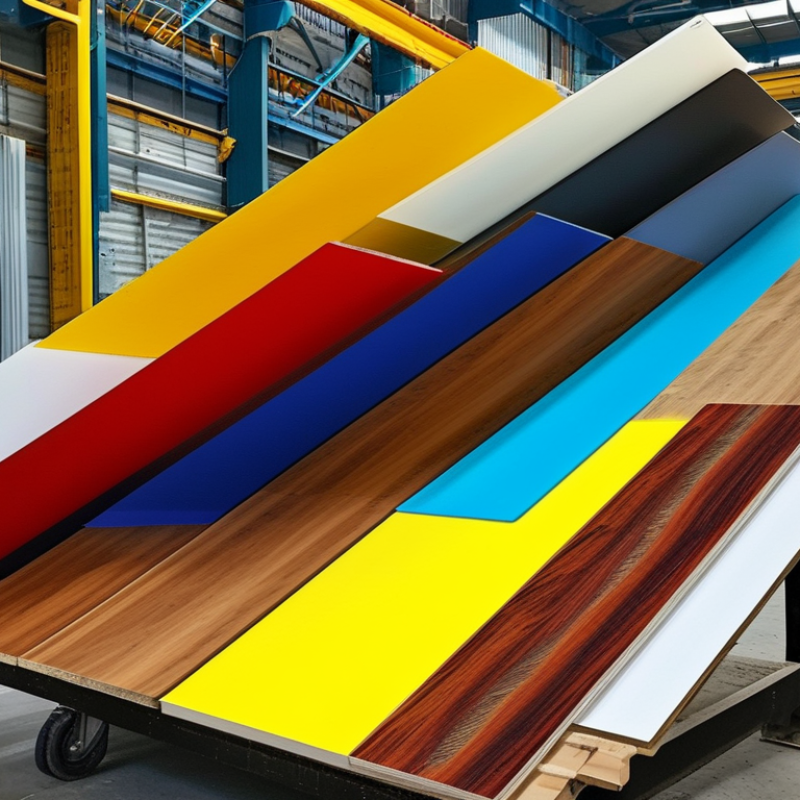
Vinyl shake siding is a molded polymer cladding designed to resemble hand-split cedar shakes. Its staggered edges, deep shadow lines, and wood-grain texture give walls a warmer appearance than flat panels. The material is usually made from rigid PVC, with color blended through the profile rather than painted only on the surface.
Demand is not accidental.
The U.S. Census Bureau’s 2023 Survey of Construction reported vinyl siding on roughly one-quarter of new single-family homes, confirming its continuing residential relevance. Grand View Research estimated the global vinyl siding market at about USD 7 billion in 2023, with continued growth expected through 2030. Global buyers often choose shake siding because it combines visual character with lower upkeep. It does not require regular staining, and ordinary dirt can usually be removed with water and mild detergent. That matters for rental housing, coastal projects, and large developments with limited maintenance teams.
Still, “maintenance-free” is an overstated phrase.
Panels can expand, contract, crack, or discolor when specifications and installation are poor. The International Code Council and ASTM standards provide useful benchmarks for wind resistance, fastening, and weather performance. Buyers should request tested data, color-retention information, impact results, and installation instructions. Check the locking edge carefully. A cheaper panel may look convincing in a sample but feel weak at the joint. In my view, the best supplier is not simply the lowest-cost source; it is the one that documents performance, packaging strength, batch consistency, and realistic lead times.
Key Standards for Evaluating China Vinyl Shake Siding Suppliers
When evaluating China vinyl shake siding suppliers, buyers should verify more than catalog photos and low quotations. A 2024 Grand View Research report identifies durability, weather resistance, and installation efficiency as major siding-market drivers. These factors should guide supplier screening. Ask for ASTM D3679 test results, color-retention data, impact resistance, and production records. A capable factory should explain its formulation, extrusion temperature, and quality checkpoints clearly.
For global projects, confirm whether the supplier can meet local building requirements. ASTM D3679 covers rigid PVC siding, while ASTM D6864 addresses weatherability performance for exterior PVC products. Request recent third-party reports, not edited screenshots. Check sample thickness with a micrometer.
Inspect the locking edge, nail hem, surface grain, and rear reinforcement. Small defects often become visible after temperature changes. The U.S. Census Bureau’s 2023 housing data also shows that exterior cladding choices vary by region, so one standard specification may not fit every market. This point is easy to overlook.
Tips: Compare three production batches, not one sample. Measure color difference after accelerated weathering. Confirm carton strength, pallet dimensions, and replacement procedures.
A 2024 industry survey from Freedonia notes that builders increasingly value labor savings and resilient exterior materials. Still, supplier claims need independent verification. I have seen attractive shake textures hide brittle edges. That mistake is expensive. Ask for a factory video call, retain sealed samples, and record every agreed tolerance. Some uncertainty will remain, and serious buyers should admit it.
How to Compare Quality, Pricing, Certifications, and Minimum Orders
Best China Vinyl Shake Siding Suppliers for Global Buyers?
China’s vinyl shake siding market offers broad factory capacity, but low pricing needs careful verification. Grand View Research estimated the global vinyl siding market at about USD 7 billion in 2023, with steady growth through 2030. This demand attracts capable manufacturers and weaker imitators. Compare sample thickness, color consistency, impact resistance, and UV performance. Ask for production photos, not only polished catalog images. A sample should survive handling without cracking, warping, or obvious gloss differences.
Price comparisons must include more than the factory quote. Request costs for tooling, packaging, inland transport, export documents, and replacement pieces. The World Bank’s Logistics Performance Index shows that shipment reliability strongly affects international trade costs. A cheaper quotation may become expensive after delays or damaged cartons. That lesson is easy to miss. Check whether prices use the same panel dimensions, accessories, container quantity, and delivery term. Request a written validity period because resin and freight costs can change.
Certifications need practical checking. Look for test reports referencing ASTM D3679 or equivalent regional standards, especially for weatherability, wind resistance, and dimensional stability. Verify the laboratory, report date, tested product code, and whether the factory’s current material matches the tested sample. Certifications without traceable documents prove little. Minimum orders also deserve negotiation. Some suppliers accept mixed colors or trial quantities; others require one full container per design. A realistic first order may reduce risk, even if its unit price is higher. Mistakes still happen, particularly when buyers approve samples without testing installation conditions.
Steps for Sourcing, Inspecting, and Importing Vinyl Shake Siding Successfully
Sourcing vinyl shake siding from China requires more than comparing quotations. Start with a supplier audit. Request factory registration, production photos, export history, technical sheets, and recent third-party test reports. Ask for resin type, thickness, panel dimensions, color tolerance, wind-load data, and carton specifications. The NAHB’s 2023 Builder Practices Survey reported vinyl siding on roughly one-quarter of new single-family homes, showing steady market acceptance. However, demand does not guarantee quality. A lower price may hide thinner panels, unstable pigments, or weak locking edges.
Order samples from at least three factories. Check surface texture under direct sunlight, panel flatness, interlock strength, and color consistency between cartons. ASTM D3679 is a useful reference for rigid PVC siding performance. Independent inspection should verify dimensions, packaging, labeling, and random impact results before shipment. One overlooked detail is spare material. A modest extra quantity can prevent costly color mismatches during future repairs. I have found that photographs rarely reveal warping clearly.
Tips: Use a written specification sheet. Approve a sealed reference sample. Define acceptable defects before production. Confirm the correct customs classification with a broker, because tariff treatment varies by destination and product design. Review the commercial invoice, packing list, certificate of origin, bill of lading, and insurance terms. The International Chamber of Commerce emphasizes precise Incoterms® use, yet buyers sometimes choose terms without understanding inland charges. That mistake can erase an attractive factory price.