China Top Vinyl Shake Siding Manufacturers?
China has become a significant sourcing market for exterior cladding, including vinyl shake siding. Its manufacturers serve residential, commercial, and renovation projects worldwide. However, factory quality can vary widely. A professional buyer must look beyond attractive catalog images.
This guide examines leading Chinese manufacturers through practical criteria. These include product durability, color consistency, weather resistance, production capacity, and export experience. It also considers installation details, such as panel locking strength, trim compatibility, and drainage design. Reliable suppliers should provide technical data, sample panels, test reports, and clear warranty terms. Factory visits, video inspections, and independent testing can reveal details that brochures often omit. Ask for current production photographs.
Appearance matters. A convincing shake profile should create natural shadow lines without excessive repetition. The surface should feel consistent, while the underlying panel remains stable during temperature changes. Buyers should also compare resin quality, impact performance, fire-related documentation, and packaging protection. Requirements may differ by destination, so local building standards deserve careful review.
No supplier is perfect. Even experienced factories may face color variation, delayed communication, or inconsistent batches. That reality deserves attention. This article offers a balanced framework for comparing China’s top vinyl shake siding manufacturers. It focuses on verifiable evidence rather than bold rankings alone. Readers can use the guidance to shortlist factories, request meaningful samples, and negotiate with greater confidence. A low price may look attractive, but replacement costs can quickly change the calculation. Reliable sourcing requires patience, technical questions, and careful follow-up.
What Is Vinyl Shake Siding and Why Is It Used?
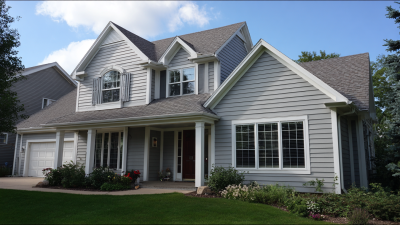
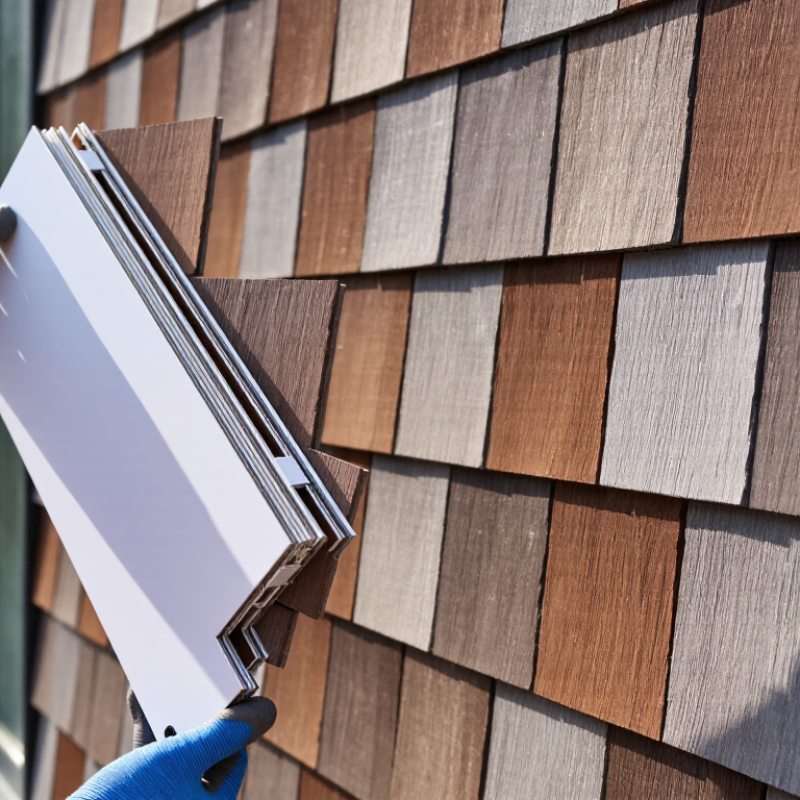
Vinyl shake siding is a molded polymer cladding designed to resemble hand-split cedar shakes. Its uneven grain, staggered edges, and shadow lines add texture to plain exterior walls. Unlike natural wood, it does not absorb water, rot, or attract termites. That matters in humid regions. However, it is not a perfect cedar substitute.
Homeowners use vinyl shake siding for visual character and reduced maintenance. A clean garden hose often removes surface dust, while painted wood may require scraping and recoating. The National Association of Home Builders, analyzing 2023 U.S. Census housing data, reported vinyl siding on about 24% of newly completed single-family homes. This indicates strong market acceptance, though shake-style panels represent only part of that category.
Performance depends heavily on installation. Panels need proper overlap, drainage space, and allowance for thermal movement. Dark colors can expand noticeably under direct summer sunlight. The Vinyl Siding Institute and ASTM D3679 provide recognized guidance for product quality and installation practices. The U.S. Department of Energy also emphasizes continuous insulation and sealed air barriers, because siding alone is not an insulation system. That point is often misunderstood. Vinyl shake siding can improve appearance and weather resistance, but the wall assembly behind it still controls comfort, moisture, and energy performance. Manufacturers should therefore document impact resistance, color retention, wind ratings, and installation limits before buyers compare products.
China Top Vinyl Shake Siding Manufacturers? What Is Vinyl Shake Siding and Why Is It Used?
Vinyl shake siding is a molded PVC exterior cladding designed to resemble traditional wood shakes. It is used for its weather resistance, low maintenance, lightweight installation, and ability to add texture to residential façades.
Typical service life comparison: Vinyl shake siding commonly lasts about 20–40 years when properly installed and maintained. Actual performance depends on climate, installation quality, exposure, ventilation, and product specifications. The ranges shown are general residential industry estimates and do not represent any specific company or brand.
How to Evaluate China’s Vinyl Shake Siding Manufacturers
Evaluating China’s vinyl shake siding manufacturers requires more than comparing catalog prices. Request production photos, factory certifications, and a clear material specification sheet. Check the vinyl resin type, panel thickness, surface texture, color stability, and available profiles. A reliable manufacturer should explain each specification without vague promises.
Ask for physical samples before discussing large orders. Inspect the locking edge, nail hem, corner pieces, and rear ribs. Try fitting several panels on a small mock wall. Poor alignment becomes obvious there. Request weathering, impact, and color-retention test reports from recognized laboratories. Verify the report dates, sample codes, and testing standards. A polished sample can still hide inconsistent production.
Factory communication also reveals practical competence. Ask about mold maintenance, batch inspection, packaging strength, and replacement procedures. Confirm minimum order quantities, production lead times, loading methods, and spare-part availability in writing. Visit the facility when possible, or arrange a live video inspection. Photos can be outdated. I would also compare samples from different production batches, because one attractive batch proves little. Some buyers focus too heavily on the lowest quote and overlook warped panels, weak cartons, or delayed technical replies. That mistake can become expensive during installation. A dependable supplier accepts detailed questions, admits limitations, and provides measurable answers. Even then, keep a pre-shipment inspection clause, since trust should support evidence, not replace it.
Leading Chinese Manufacturers and Their Product Strengths
China Top Vinyl Shake Siding Manufacturers?
Chinese vinyl shake siding manufacturers have expanded their capabilities from basic profiles to detailed, wood-inspired exterior systems. Leading producers often combine extrusion lines, embossing equipment, and color-matching laboratories. Their product strengths include consistent dimensions, deep cedar textures, and multi-layer surface finishes. These details matter when siding must look natural across a large wall.
Experienced buyers should inspect more than product photos. Ask for thickness reports, impact-test records, color-retention data, and installation samples. A reliable manufacturer can explain resin grades, co-extrusion methods, and temperature performance. Factory audits also reveal practical conditions, such as storage quality, mold maintenance, and packaging discipline. Small defects often begin there.
Many Chinese factories offer flexible tooling and private specifications. This helps contractors adjust panel width, shadow lines, or trim profiles for regional projects. Some suppliers also provide matching soffits, corners, and starter strips, reducing installation inconsistencies. However, lower prices can hide thinner walls or weaker locking systems. That assumption deserves caution. A sample may perform well, while a later production batch needs closer control. Independent inspections and pre-shipment testing remain sensible safeguards. Local building requirements should guide final selection, not catalog language alone.
Key Materials, Profiles, Colors, and Customization Options
China Top Vinyl Shake Siding Manufacturers?
When evaluating Chinese vinyl shake siding manufacturers, begin with material consistency. Quality panels typically use weather-resistant PVC resin, impact modifiers, and UV stabilizers. Ask for technical data, production samples, and independent test reports. A reliable supplier should explain thickness, thermal movement, color retention, and fire-performance testing clearly. Vague answers deserve caution.
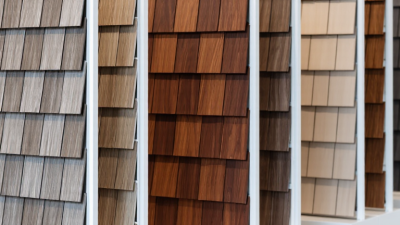
Profiles influence both appearance and installation. Shake siding may feature straight, staggered, scalloped, or hand-split textures. Deeper grain can create stronger shadows, but it may collect more dust. Standard panels often fit common starter strips, corners, and trim systems. Confirm dimensions before ordering. A small mismatch can slow installation.
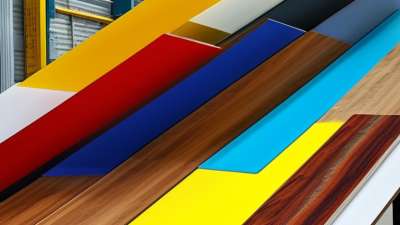
Color selection goes beyond basic white, gray, or brown. Manufacturers may offer solid colors, blended tones, and multi-color shake patterns. Custom colors usually require a reference sample and an approved production panel. Digital images are not enough. Sunlight changes perception. This is where many projects become difficult. Custom embossing, panel lengths, perforation, packaging, and private labeling may also be available. However, excessive customization can increase minimum quantities and replacement challenges. Request a pilot batch, inspect edge alignment, and compare several panels under outdoor light. Experienced installers can reveal weaknesses that factory photos hide.