
7 Tips for Choosing the Best Bow Windows

Bow windows bring daylight, a wider view, and a distinct curve to a room. They can also create practical challenges. Their larger glass area may increase heat gain, heat loss, and glare if the glazing and installation do not suit the home.

The U.S. Department of Energy estimates that heat gain and loss through windows account for 25–30% of residential heating and cooling energy use. That figure is a useful reminder: appearance is only part of the decision. Frame material, glass performance, air leakage, and local climate matter too. The National Fenestration Rating Council’s labels help compare products using measures such as U-factor and solar heat gain coefficient. Check those ratings before focusing on decorative details.

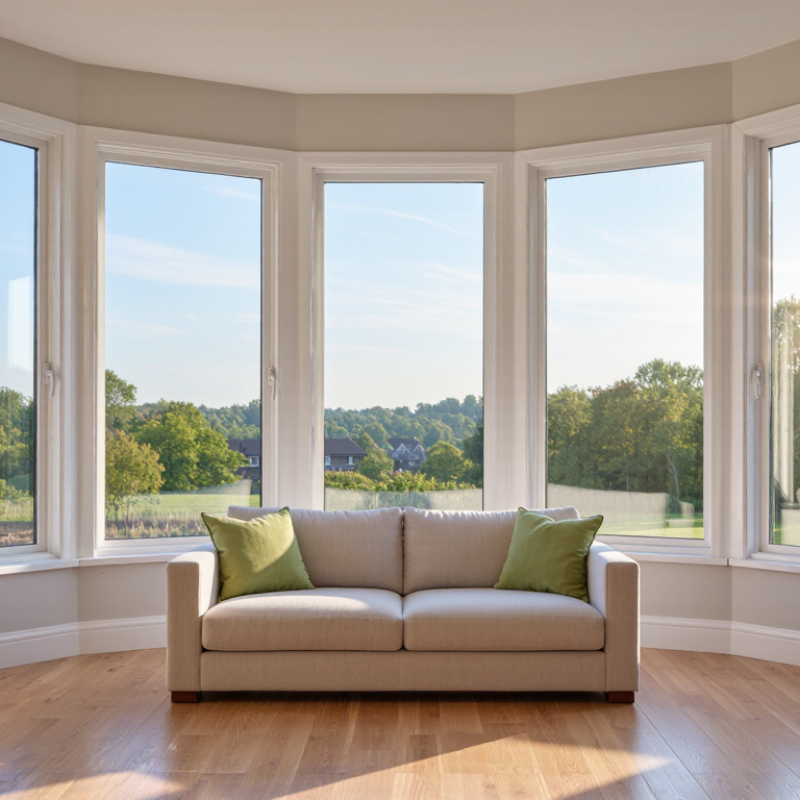
This guide offers seven tips for choosing bow windows, from measuring the opening to weighing maintenance and installation costs. A reliable, named bow-window specialist quotation was not available in the supplied material, so I will not invent one. That is worth noting. Ask a qualified installer how the window will be supported, sealed, and flashed; a beautiful curve cannot compensate for poor workmanship. Look closely at the corners and joints. Tiny gaps matter. The right bow windows should fit the house, perform in its climate, and feel comfortable beside the sofa on a bright afternoon.
7 Tips for Choosing the Best Bow Windows

Assess Room Size, Wall Structure, and Window Placement

Tip: Match the bow window’s projection to the room. A deep unit can brighten a compact space, but it may crowd a narrow walkway. Measure from the wall to nearby furniture, radiators, and door swings. Mark the proposed sill and projection with painter’s tape. It helps reveal awkward clearances before ordering.

Tip: Check the wall structure before choosing a size. Bow windows place weight and outward forces on the opening, so framing and support matter. Look for signs of moisture, soft trim, or uneven movement around the existing window. These details can signal repairs are needed. A qualified installer can assess the framing and recommend suitable reinforcement; appearance alone cannot confirm it is sound.

Tip: Consider placement, not just the view. A window facing strong afternoon sun may need shading, while a low sill can affect privacy and furniture layout. Check how the curve relates to exterior paths and landscaping, too. A lovely view can still feel exposed. One planning detail is easy to miss: curtains need room to follow the curved wall, and standard rods may not fit.

Compare Frame Materials, Durability, and Maintenance Needs

Bow windows place several angled units in one opening, so frame choice affects more than appearance. Vinyl frames usually need little painting and resist moisture, making them practical in damp climates. However, broad sun exposure can cause lower-quality vinyl to soften or discolor over time. Ask for product-specific performance data, not just a “low maintenance” claim. Small details matter.

Fiberglass tends to hold its shape through temperature swings and can support narrow sightlines, though it often costs more upfront. Wood offers warmth and can be repaired or repainted, but its finish needs regular inspection, especially at joints and exterior sills. Wood needs attention. Aluminum is strong and slim, yet unbroken metal conducts heat; thermal breaks can improve comfort.

Check how the frame manages water at corners, how operable sashes seal, and whether replacement weatherstripping is available. In rainy locations, inspect caulking and drainage paths after installation rather than assuming the frame alone prevents leaks. Bow units may need structural support because they project outward; have an installer verify the opening and load path. I would not call any material maintenance-free. Climate, workmanship, and cleaning access all affect upkeep, and those details are easy to underestimate.

7 Tips for Choosing the Best Bow Windows

Compare frame materials by durability, maintenance ease, and insulation. Ratings are a qualitative guide, not standardized test scores; performance varies with product quality, installation, and climate.

How to read: Higher ratings indicate better relative performance; for maintenance, a higher score means less upkeep. Wood generally needs periodic painting or sealing, while vinyl and fiberglass typically need less routine care. Consider local weather and the manufacturer’s care instructions before choosing.

Choose Glazing for Energy Efficiency, Light, and Privacy

Bow windows project beyond the wall, so their glass faces more sky, sun, and street views. Choose glazing for the room’s actual conditions, not just its appearance. The U.S. Department of Energy’s Energy Saver guidance estimates that windows account for 25–30% of residential heating and cooling energy use. That matters. Low-emissivity coatings and insulated glass can reduce unwanted heat transfer, while the right solar heat gain coefficient depends on climate and window orientation.

Check the National Fenestration Rating Council label for U-factor, solar heat gain coefficient, and visible transmittance. U-factor indicates how readily heat passes through the window; lower values generally mean better insulation. Visible transmittance helps compare how much daylight reaches the room. For a sunny south-facing bow window, lower solar heat gain may help limit summer overheating. In a shaded room, higher visible transmittance can keep the space brighter. Not every room needs the same glass.

Privacy adds another trade-off. Low-e glass can improve thermal performance, but it is not a privacy feature. If passersby can see your seating area, consider obscure glass or a privacy treatment, and check how it looks after dark with interior lights on. A darker tint may soften glare, but it can also dim the room. Order a sample. View it beside the window at morning and afternoon, because specifications rarely capture the whole feeling.

Select a Bow Window Style That Fits Your Home

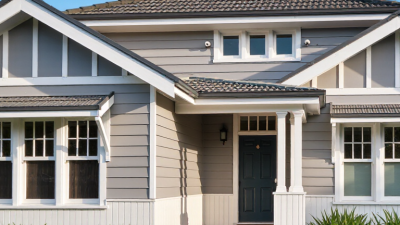
A bow window should feel like a natural extension of your home, not an ornament added from another style. Its gentle curve often suits traditional houses, but the frame, finish, and grille pattern matter just as much. Match those details to nearby windows and trim. A simple frame can look calmer on a busy façade, while divided panes may echo older sash windows. Check the view from the street, too. A style that looks elegant in a catalog can feel oversized beside narrow exterior trim.

Inside, consider what the window needs to do. A deep curve can create a bright reading nook, but it takes up more room than a flat window. Measure the wall, furniture, and walkway before choosing the projection. Measure twice. Then compare glass options for privacy, sunlight, and seasonal comfort; a sunny breakfast area may need different glazing from a shaded room. Ask an installer to check structural support and the roof or head detail, since a bow window’s multiple panels add weight. This is easy to overlook. I would also bring home finish samples, because indoor lighting can make the same color appear warmer or duller than expected. A little mismatch is possible, but it is better spotted before ordering.

Review Installation Costs, Warranties, and Contractor Credentials

Tip 1: Price the opening, not a generic window. JLC’s 2024 Cost vs. Value report listed a U.S. average of $21,264 for a vinyl window-replacement project. That is a broad benchmark, not a bow-window quote. Projection depth, support hardware, interior trim, and disposal can change the scope. Request itemized bids with matching dimensions, glazing, flashing, and cleanup. Small details matter.

Tip 2: Compare warranties line by line. Ask who covers glass-seal failure, frame defects, water intrusion, and labor. Check exclusions, transferability, claim deadlines, and whether workmanship coverage is separate from the product warranty. A long product warranty may not cover removal and reinstallation. Keep the signed terms, not just a sales summary.

Tip 3: Check the installer, not just the estimate. Verify required licensing, insurance, permit handling, and recent bow-window references. The U.S. Department of Energy estimates that heat gain and loss through windows account for 25–30% of residential heating and cooling energy use, making careful installation important. It is tempting to choose the neatest quote; still ask who handles leaks after installation.

7 Tips for Choosing the Best Bow Windows - Review Installation Costs, Warranties, and Contractor Credentials

Tip What to Compare Useful Facts and Checks Questions to Ask
1. Set a realistic budget Window price, installation, interior and exterior finishing, and any structural work. As a broad U.S. planning estimate, a bow-window project may cost roughly $2,000–$8,000 installed. Size, materials, access, local labor rates, and repairs can move the price outside this range. Does the written estimate include removal, disposal, flashing, insulation, trim, and cleanup?
2. Compare complete quotes At least three itemized proposals based on the same measurements and scope. A low headline price may exclude important work. Compare window specifications, labor, permit fees, payment schedule, exclusions, and change-order terms line by line. What could cause the final price to change, and how will additional work be approved?
3. Check the warranty details Separate coverage for the window, glass, hardware, finish, and installation labor. Warranty terms differ by product and installer. Coverage may be limited, prorated, or subject to exclusions; labor coverage is not always included. Read the written terms rather than relying on a stated number of years. Who handles a claim, what is excluded, and is the warranty transferable if the home is sold?
4. Verify contractor credentials Required local license, liability insurance, workers’ compensation coverage, and relevant installation experience. Licensing rules vary by location. Confirm requirements with the relevant local authority, and request current proof of insurance. Check references for comparable projecting-window installations. Who will do the installation, and can you provide recent references and proof of coverage?
5. Assess energy performance U-factor, solar heat gain coefficient (SHGC), air leakage, glazing, and suitability for the local climate. Lower U-factor generally indicates less heat transfer. SHGC describes how much solar heat passes through the window; the preferred value depends on climate, orientation, and shading. Compare rated products with the same performance measures. Can you provide the product’s performance ratings and explain which options suit this room’s exposure?
6. Inspect the structural plan Opening dimensions, support for the projecting assembly, weatherproofing, and interior finishing. Bow windows project beyond the exterior wall and may require a suitable support system. Existing rot, water damage, or framing changes can add work and cost; the installer should explain how these conditions will be handled. How will the window be supported, flashed, insulated, and sealed against water and air leaks?
7. Confirm permits and schedule Local permit requirements, inspection responsibility, lead time, installation duration, and cleanup. Permit rules depend on the project and location; changes to an opening or structure may have different requirements from a like-for-like replacement. Confirm responsibilities before work begins. Are permits or inspections needed, who arranges them, and what is the expected project timeline?

Cost figures are general U.S. planning estimates, not a guaranteed quote. Obtain current, itemized estimates from qualified local contractors.

Go to Top