
What Are the 10 Best Exterior Sliding Doors?
A good exterior sliding door should make a room feel brighter and connect it naturally with a patio, deck, or garden. It also needs to stand up to daily use, changing weather, and years of opening and closing. Looks matter. So do the details most buyers notice only later: track design, weather seals, glass performance, frame material, and threshold height.
This guide compares ten exterior sliding doors using practical criteria, including durability, energy efficiency, security features, available sizes, and expected maintenance. A slim aluminum frame may offer wide views, while a vinyl option can be easier to maintain. Neither is best for every home. Climate, opening size, budget, and installation quality can change the decision.
Architect Frank Lloyd Wright wrote, “The space within becomes the reality of the building.” It is a useful design principle for choosing a door that links indoor and outdoor spaces. Still, appearance alone is not enough. A beautiful glass panel can feel disappointing if the track collects debris or the seals let drafts through. Details matter.
The picks ahead are intended to help narrow the field, not replace measurements or professional advice. Check product specifications, warranty terms, and local installation requirements before buying. No door is perfect. The right choice balances the view you want with performance your home actually needs.
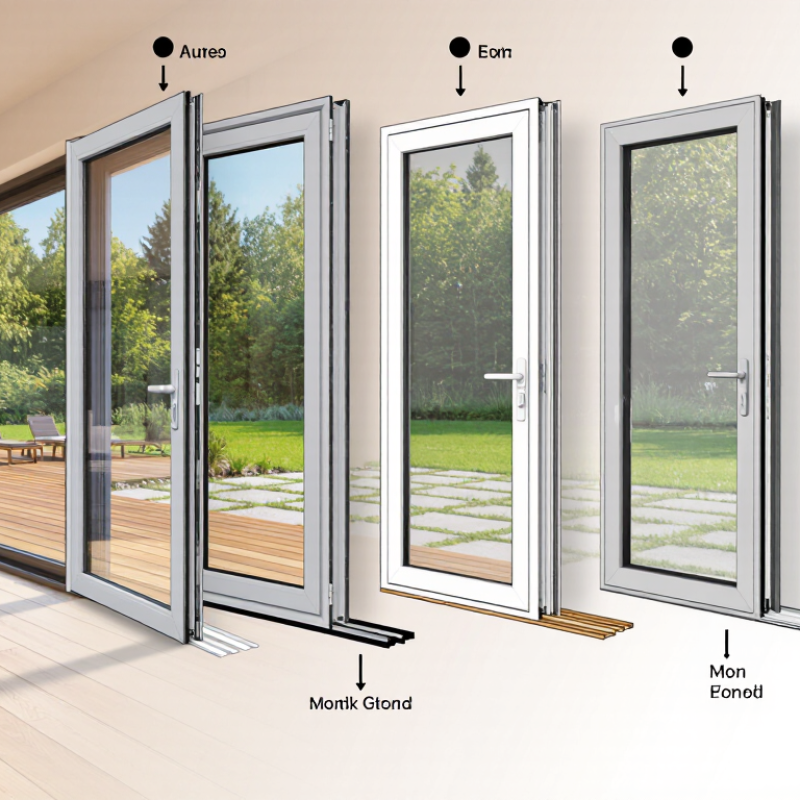
Exterior sliding doors move on rollers set inside a horizontal track. One panel usually stays fixed while another glides beside it, so the doorway opens without a door swinging into the room. Rollers carry the panel’s weight; weather seals and interlocking edges help limit drafts and rain. Small parts matter. Dirt in the track can make movement rough, and poor installation can let water collect at the threshold. The U.S. Department of Energy’s Energy Saver guidance estimates that windows account for 25–30% of residential heating and cooling energy use. That figure is not specific to sliding doors, but it shows why glass area, frame quality, and fitting deserve attention. NFRC ratings let buyers compare products by U-factor and solar heat gain coefficient.
These doors are commonly used between living rooms and patios, decks, balconies, or garden areas. Their panels slide parallel to the wall, which can preserve valuable floor space in compact rooms. A wide glass opening also brings daylight inside and gives a clear view outdoors. Yet more glass is not automatically better. A west-facing door may admit strong afternoon sun, while a poorly drained sill can become a maintenance headache. The trade-off deserves thought. Check the opening dimensions, threshold height, drainage details, and local climate before choosing a configuration. A smooth door should glide quietly, but even a well-made assembly needs its track kept clear.
When comparing exterior sliding doors, start with the opening and local weather, not appearance alone. A broad glass panel can brighten a kitchen, but it also needs a stable frame and reliable weather seals. Look for tight meeting rails, continuous gaskets, and a threshold that sheds rain rather than collecting it. Small details matter. If the doorway faces strong wind or driving rain, ask how the assembly is tested and installed.
Glazing affects comfort as much as daylight. Double-pane glass with low-emissivity coatings can help limit heat transfer, while laminated glass may reduce noise and hold together if cracked. Check the door’s published performance ratings, but compare the same rating types across options. A low number is not automatically better for every climate. I would avoid choosing by glass area alone; a large pane can feel chilly near the sofa in winter.
Operate the door several times, including after checking the track for grit. Rollers should move smoothly without a hard shove, and the lock should engage cleanly. Ask whether rollers, seals, and screens can be replaced without removing the whole unit. Frame materials differ in maintenance and insulation, so weigh those needs against budget and exposure. Installation matters, too. Even a well-rated door can leak if the sill is poorly flashed or the frame is out of square. That part is easy to underestimate.
| Door Type | Best Suited For | Frame & Configuration | Glazing & Energy Features | Security & Weather Features to Check | Main Advantages | Trade-Offs |
|---|---|---|---|---|---|---|
| Two-panel vinyl slider | Everyday patios and moderate budgets | Typically one fixed panel and one operating panel in a vinyl frame | Compare low-emissivity (low-E) glass, insulated glazing, and the whole-unit energy rating | Check the lock, keeper, weather seals, drainage, and installation details | Generally low-maintenance; vinyl does not need routine painting | Frame colors and sizes may be more limited than with some other materials |
| Fiberglass-frame slider | Homeowners seeking dimensional stability and reduced upkeep | Fiberglass frame; commonly available in two-panel layouts | Available glazing options vary; compare certified whole-door energy data | Review the sill, perimeter seals, hardware, and any applicable air- or water-leakage ratings | Fiberglass resists moisture and tends to expand and contract less than many materials | Usually costs more than basic vinyl; finishes and options vary by product |
| Thermally broken aluminum slider | Modern designs and locations where slim frames are a priority | Aluminum frame with a thermal break separating interior and exterior metal surfaces | Look for a documented thermal break and glazing suited to the local climate | Check frame drainage, hardware corrosion resistance, locking points, and tested performance | Strong frame material can support narrow sightlines and large glass areas | Non-thermally broken aluminum can transfer heat readily; confirm the actual assembly specifications |
| Wood-frame slider | Traditional interiors and projects where a natural wood finish is desired | Wood frame, sometimes with a protective exterior finish or cladding | Compare glass packages and whole-door energy ratings rather than relying on frame material alone | Inspect exterior protection, sill design, seals, and the maintenance requirements | Natural appearance and the option to refinish interior surfaces | Exposed wood needs appropriate protection and periodic maintenance |
| Wood-clad slider | Homes needing a wood interior with a more weather-resistant exterior surface | Wood interior with an exterior cladding layer; construction differs by product | Choose glazing based on climate, orientation, and energy-code requirements | Check cladding joints, sill drainage, seals, and the warranty's maintenance conditions | Combines a wood interior look with an exterior surface designed for weather exposure | Cladding does not eliminate the need to inspect seals and maintain the door |
| Composite-frame slider | Buyers comparing low-maintenance alternatives to traditional wood frames | Frame made from engineered or combined materials; composition varies | Verify the specific glazing package and independently documented performance ratings | Review material specifications, finish durability, drainage, and available hardware | Can combine properties of different materials in one frame system | “Composite” covers different constructions, so compare actual specifications rather than the label |
| Impact-rated sliding door | Coastal or storm-exposed locations where local code requires impact protection | Reinforced door system designed and tested for specified impact and pressure conditions | Confirm the tested glass and complete door assembly meet the applicable local requirements | Check the exact approval, installation instructions, anchoring, and permitted size/configuration | Can provide required storm protection when correctly selected and installed | Heavier construction and specialized installation may increase cost; requirements are location-specific |
| Triple-glazed slider | Cold climates or situations where improved insulation is a priority | Available in compatible frame systems; panel weight and hardware capacity matter | Compare whole-unit U-factor, solar heat gain coefficient, and condensation performance | Verify the operating hardware is rated for the glass weight and that the seals are serviceable | An additional glass pane can improve insulation in suitable, well-designed units | Can be heavier and more expensive; triple glazing is not automatically the best choice for every climate |
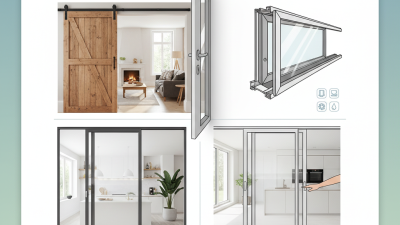
| Multi-panel stacking slider | Wide openings and indoor-outdoor entertaining areas | Several panels move and stack at one or both sides of the opening | Review the full assembly's energy and air-leakage data for the selected panel count | Check track capacity, panel alignment, locking arrangement, and maintenance access | Opens a larger portion of the wall than a typical two-panel slider | Needs adequate stacking space and careful installation; more panels mean more hardware to maintain |
| Lift-and-slide door | Large, heavy panels and projects prioritizing smooth operation when open | Specialized hardware lifts the panel slightly for movement and lowers it onto seals when closed | Compare the tested energy performance of the complete door, not just the glass specification | Confirm correct adjustment, threshold details, locking points, and installation by qualified professionals | Designed to move large panels with less resistance while closed-position seals engage | Specialized hardware and installation can add cost; the system needs correct adjustment |
Comparison note: Performance depends on the specific model, glass package, size, installation, and climate. Before choosing, compare certified whole-door energy ratings, applicable local code approvals, hardware details, warranty terms, and installation requirements.
The 10 best exterior sliding doors depend on climate, opening size, and daily use. For cold regions, insulated double- or triple-pane glass helps limit heat transfer. For sunny homes, choose low-emissivity glass with a suitable solar heat gain coefficient. Coastal homes benefit from corrosion-resistant hardware and impact-resistant glazing. Small patios suit two-panel doors with slim frames. Small rooms matter.
Wide openings call for multi-panel systems, but larger panels need sturdy tracks. For easier access, look for a low, smooth threshold. Security-focused designs can pair laminated glass with robust locking points. Low-maintenance frames suit households that prefer less painting. Wood-clad frames offer a warmer interior look, though they need more care. Budget-conscious buyers may favor vinyl frames, while checking their ratings and expected exposure to sun.
Glass performance deserves attention. The U.S. Department of Energy’s Energy Saver guidance says windows account for about 25–30% of residential heating and cooling energy use; a large glazed door can also affect comfort. Compare NFRC-listed U-factor and solar heat gain coefficient, then check installation details. A high rating cannot fix a poorly sealed frame. One trade-off is easy to miss: more glass can brighten a room, yet increase heat gain. Measure twice.
For an exterior sliding door, frame material affects more than appearance. Vinyl frames need little upkeep and can insulate well, but wide panels may require careful reinforcement. Fiberglass resists swelling and temperature changes, though it can cost more. Aluminum supports slim sightlines and large panes, but its thermal performance depends on good insulation and thermal breaks. Wood feels warm and can be painted, yet exposed finishes need regular attention. Details matter.
Glass changes comfort, daylight, and energy use. Double-pane glass with a low-emissivity coating can reduce heat transfer while keeping rooms bright. In sunny climates, the solar heat gain rating matters; a very bright room can still become uncomfortably hot. Look for performance ratings suited to the local climate, not just the clearest glass. Laminated or tempered glass may improve safety, depending on the door design and applicable building requirements. Glass matters too.
Check the whole assembly, not just its frame or glass label. Weather seals, drainage paths, rollers, and installation all influence drafts and smooth operation. A well-rated panel can still leak air if the sill is poorly fitted. Ask how the door handles water, and inspect the track for debris after installation. One trade-off is easy to miss: larger glass brings more light, but may also increase glare and cleaning time. Test the handle and slide before choosing, if possible.
The best exterior sliding door is not always the widest or most expensive. Choose one that fits your climate, opening, and daily routine. In a rainy area, look for a well-designed sill, reliable weather seals, and clear drainage paths. For cold winters or hot summers, compare glass insulation ratings and frame materials, not just appearance. Vinyl, fiberglass, and aluminum each have different strengths in upkeep, stiffness, and cost. There is no perfect choice. A narrow frame may brighten a room, but it can leave less space for robust hardware.
Measure the opening at several points, since older walls are often slightly out of square. Check the floor for level and inspect the framing for moisture damage before ordering. A small error matters. During installation, use the manufacturer’s instructions, a compatible sill pan, and proper flashing to direct water outdoors. Set the frame plumb and square, then fasten it without distorting the jamb. Two people should handle large glass panels; they are awkward, even when they seem manageable. Test the rollers, lock, and weather seals before trimming the interior. If the opening is damaged or the door feels heavy and uneven, pause and consult an experienced installer. A rushed fit can turn a quiet, smooth door into a persistent draft.
Compare example nominal widths for common exterior sliding-door configurations. These are size examples, not a ranking; actual availability and rough-opening requirements vary by manufacturer.
How to choose and install: Match the configuration to your opening and traffic needs, then confirm the door’s exact frame dimensions and rough-opening instructions before purchase. During installation, ensure the opening is square, level, and plumb; follow the manufacturer’s flashing and sealing details, and check local building-code requirements.