How to Choose CertainTeed Siding?
Choosing certainteed siding is about more than picking a color from a brochure. Your home’s exposure, wall condition, and local weather all affect which product and profile may work best. Wind-driven rain, strong afternoon sun, and freezing winters place different demands on exterior materials. Start with the house itself. Note its architectural style, existing trim, and any areas where moisture or peeling paint already appear.
Then compare CertainTeed options by material, texture, maintenance needs, and budget. A smooth panel can look crisp on a modern home, while a cedar-style profile may suit a traditional facade. Small samples help, but they can mislead. View them outdoors beside your trim, both in direct sun and in shade. Color changes with the light. It’s an easy detail to overlook.
Before choosing, ask a qualified siding contractor how the product will be installed, including around windows, corners, and rooflines. Request a written estimate that identifies the product, accessories, removal work, and any needed repairs. Check current manufacturer documentation for product specifications and warranty terms; coverage can depend on the product and installation. A polished showroom display cannot tell you how carefully a crew will handle the details. That part deserves scrutiny. This guide explains what to compare, what questions to ask, and where a second opinion may be useful. A perfect choice may not exist, but an informed one can better fit your home and your priorities.
Assess Your Home’s Siding Needs, Climate, and Budget
Choosing siding begins with an honest look at your home, not a color sample. Check for peeling paint, soft trim, drafts near windows, and damp patches after rain. These clues may point to repairs or ventilation problems that new siding alone will not solve. A slow walk around the house can reveal more than a quick glance from the driveway.
Climate should shape your shortlist. In wet or humid areas, ask how the siding and wall assembly handle moisture, and make sure flashing directs water away from openings. In regions with strong sun, compare color stability and heat performance. If winters bring repeated freezing and thawing, ask an experienced installer how joints and trim are detailed. Small details matter. Local exposure can vary even between nearby streets.
Set a budget for the full project, including removal, repairs, trim, labor, and disposal—not just the material. Get itemized estimates, and ask what happens if hidden damage appears once old siding comes off. A lower quote may leave out important work. It is tempting to choose the option with the neatest sample, but that choice may not suit your climate or maintenance tolerance. Revisit your priorities before signing; the first plan is not always the best one.
How to Choose Siding: Compare Estimated Installed Costs
Typical U.S. cost estimates per square foot, including installation. Actual prices vary by location, product, home design, and project scope.
How to use this chart: Compare these estimates with your budget, then consider local climate and maintenance needs. Moisture, temperature swings, sun exposure, and wind can affect which siding performs best. Get local quotes and check product specifications before deciding.
Compare CertainTeed Siding Materials and Product Lines
Choosing exterior siding means comparing both material and product line. Vinyl siding is lightweight, usually needs only washing, and comes in standard, insulated, and premium profiles. Standard panels can suit a tight budget, while insulated options add a foam backing that may reduce heat transfer. Fiber-cement siding offers a denser, more substantial feel and can mimic painted wood, but it weighs more and typically needs repainting. Installation details matter. Poorly aligned seams or rushed flashing can undermine even an expensive product.
The 2024 Cost vs. Value report estimated an average U.S. vinyl siding replacement project at $17,410, with $13,957 in resale value, or 80.2% of its cost. Its fiber-cement replacement project averaged $20,619 and $18,230 in resale value, or 88.4%.
These are national estimates, not promises; local labor, home condition, and design choices change the numbers. Look beyond the sample board. Ask how each line handles fading, impact, wind, and repair, then compare written warranties and installation requirements.
A dark panel may look striking in a showroom. It can also show scratches more clearly. I would still check local references, because specification sheets cannot reveal every installation problem.
Choose a Profile, Texture, and Color for Your Home
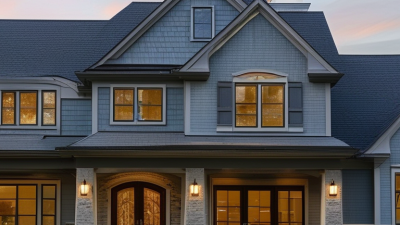
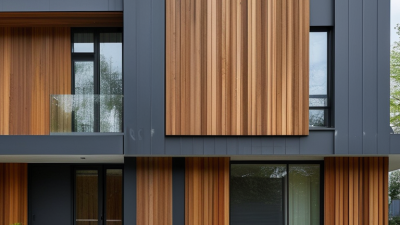
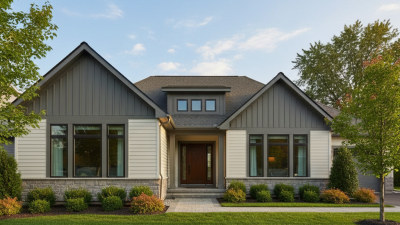
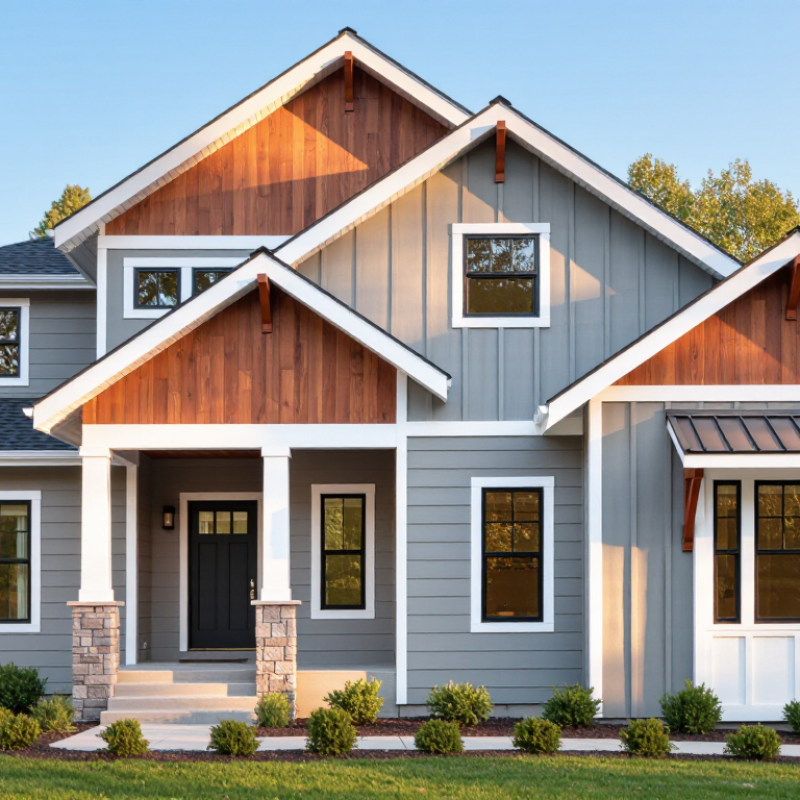
Begin with the home’s architecture and the lines you want to emphasize. Horizontal lap siding can make a house feel wider, while vertical boards draw the eye upward. Shingles or shakes add a softer, more varied pattern. Look at the roofline, window trim, and nearby homes before choosing. A profile should suit the whole exterior, not just a sample board.
Texture changes how siding looks from the street. Smooth surfaces create a clean, simple finish, but may show dirt or dents more clearly. Woodgrain textures add depth and can feel warmer, especially on shaded walls. View samples outdoors at different times of day. Light changes everything. A color that looks muted in a showroom may appear much brighter under afternoon sun.
Test two or three colors beside the roof, masonry, and trim. Check them in sun and shade, and consider how often you want to clean the siding. Pale colors can soften a large façade; darker shades can define corners and gables. Small details matter. I would not expect a sample to predict every final result, though. Sun exposure, neighboring colors, and the home’s proportions can shift the effect. Take photos from the curb, then revisit your options after a day or two.
How to Choose Siding? — Choose a Profile, Texture, and Color for Your Home
Compare common siding design options and practical considerations before making a selection.
| Design choice |
Common options |
Appearance and effect |
Practical considerations |
A good fit for |
| Profile |
Traditional lap; Dutch lap; vertical board-and-batten; shake or shingle; vertical panel |
Lap profiles create horizontal lines; vertical styles can make a facade feel taller; shake-style panels add a layered, handcrafted look. |
Check how the profile works with the home’s existing trim, windows, rooflines, and architectural details. Follow the product’s installation instructions for layout and clearances. |
Lap suits many traditional and contemporary homes. Vertical profiles can emphasize height or define gables. Shake-style accents are often used on dormers or upper sections. |
| Texture |
Smooth; woodgrain; cedar-like; rough-sawn appearance |
Smooth surfaces look clean and understated. Textured finishes add visual depth and can echo natural wood. |
Texture affects how shadows appear across the wall and how noticeable surface dirt may be. View a full-size sample outdoors, since small samples can look different at home scale. |
Choose smooth texture for a simple, modern look; choose a wood-inspired texture when you want a more traditional or rustic character. |
| Color family |
Whites and creams; grays; earth tones; blues and greens; deep neutrals |
Light colors can make exterior details stand out; mid-tones are versatile; darker colors create stronger contrast and a more dramatic appearance. |
Compare samples in morning, midday, and evening light. Consider the roof, masonry, neighboring homes, and local design requirements. Darker surfaces can absorb more solar heat than lighter ones. |
Use the roof and fixed exterior materials as starting points, then select a siding color that coordinates rather than competes with them. |
| Trim and accents |
Matching trim; contrasting trim; accent siding on gables or entry areas |
Matching trim gives a unified appearance. Contrasting trim outlines windows, corners, and rooflines; accent areas can add definition. |
Limit the number of prominent colors to keep the exterior balanced. Confirm that trim components are compatible with the selected siding system. |
Useful when you want to highlight architectural features without using a different siding style across the entire home. |
| Final checks |
Samples; written estimate; installation plan; warranty and care documents |
Checking the complete exterior palette helps avoid choosing a color or profile based only on a small display sample. |
Ask a qualified installer to assess the wall assembly, flashing, ventilation, and local code requirements. Review product-specific maintenance and warranty terms before purchase. |
Every project, especially when replacing existing siding or addressing moisture concerns. |
Check Performance Ratings, Maintenance, and Warranty Terms
When comparing siding, read the performance ratings for the exact profile you plan to install. Ratings can vary by thickness, finish, and exposure conditions. Check wind resistance, impact performance, and moisture-management details, then compare them with your local climate. A number on a brochure is not the whole story. Ask how the rating was tested and whether it applies to your chosen color and trim. For a coastal or storm-prone home, confirm that the installation method also meets the stated requirements. Small details matter.
Maintenance affects appearance and long-term performance. Look for clear cleaning instructions and guidance on inspecting seams, caulking, and drainage areas. A quick walk around the house after heavy rain can reveal loose pieces or water collecting near the foundation. Avoid assuming that low maintenance means no maintenance. That distinction is easy to miss. Read the warranty before buying, especially its coverage period, exclusions, transfer rules, and requirements for installation or upkeep. Check whether labor is included, and how claims are handled. Keep dated photos, receipts, and product documents together; they may help if a problem appears later. Warranty language can feel tedious, but skipping it leaves important questions unanswered.
Confirm Installation Requirements and Total Project Costs
Before choosing a siding profile, ask the installer to confirm the exact installation requirements in writing. Different products may call for specific fasteners, wall preparation, clearances, and trim details. Check whether existing siding must be removed and whether damaged sheathing or moisture barriers need repair. Small details matter. A window that projects only slightly can affect trim depth and labor.
Request an itemized estimate, not just a price per square foot. It should separate materials, labor, removal, disposal, flashing, corner trim, and any permit fees. Ask how the contractor measures waste, especially around gables and multiple windows. A few extra pieces may be sensible; an unexplained large allowance deserves a question. Confirm who handles unexpected repairs and how added costs are approved. It is easy to focus on the color and overlook the old, uneven wall beneath it. I would not assume every house needs the same preparation. Compare the proposed scope with the product’s current installation instructions, and keep a copy with the signed estimate.