Top Tips for Choosing Black Sliding Glass Doors?
Black sliding glass doors are becoming increasingly popular in modern homes. According to a recent report by the National Association of Home Builders, over 20% of homeowners choose sliding doors for their aesthetic appeal and functionality. These doors not only provide a seamless transition between indoor and outdoor spaces but also enhance natural light in any room.
When selecting black sliding glass doors, homeowners face various considerations. The right selection can elevate a home's overall design while ensuring energy efficiency. For instance, choosing double-glazed glass can significantly improve insulation. However, many consumers overlook this crucial detail and later regret it. Statistics show that homes with energy-efficient doors can save between 10-20% on heating and cooling costs annually.
Moreover, the finish of these doors matters. A matte black finish can create a modern look, while glossy options may require more maintenance. Balancing style with practicality is essential. It's common for buyers to focus solely on aesthetics, neglecting long-term costs and upkeep. As homeowners navigate these choices, understanding the nuances of black sliding glass doors becomes vital for a satisfying purchase decision.
Understanding the Benefits of Black Sliding Glass Doors
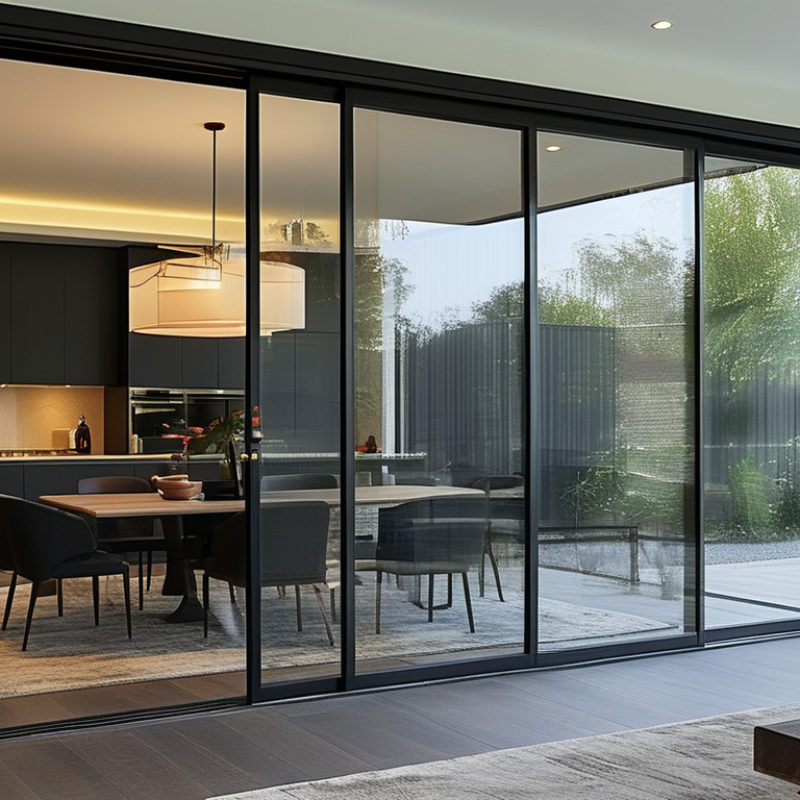
Black sliding glass doors are gaining popularity in modern home design. They offer a sleek and stylish look, enhancing both the interior and exterior aesthetics. According to a recent industry report, black frames can increase the perceived value of a home by as much as 15%. This visual appeal is one of the primary reasons homeowners choose these doors.
The benefits extend beyond aesthetics. Black sliding glass doors can improve energy efficiency. Many models have advanced glazing technologies that minimize heat transfer. Reports indicate that homes with energy-efficient doors can reduce heating and cooling costs by approximately 10% to 20%. This is crucial for homeowners looking to lower utility bills while maintaining comfort.
However, there can be considerations. While black colors diminish light reflection, they can absorb more heat. This means careful placement is needed, especially in warmer climates. Additionally, regular maintenance is required to keep the color looking fresh. Some owners find that dirt and fingerprints show more prominently on darker finishes. Choosing black sliding glass doors involves balancing style with potential upkeep.
Factors to Consider When Selecting Black Sliding Glass Doors
When selecting black sliding glass doors, several factors come into play. A primary consideration is the material. Frames typically come in aluminum, fiberglass, or wood. Aluminum offers durability and a modern look. Wood provides warmth but requires maintenance. Weigh the pros and cons of each material carefully.
Another critical factor is energy efficiency. Look for doors with good insulation properties. Double or triple glazing can help minimize energy loss. This not only keeps your space comfortable but can also reduce energy bills. Pay attention to the energy ratings provided by manufacturers.
Tips for selection include measuring the space accurately. Ensure that the doors will fit your intended opening. Contemplate the style of your home as well. A contemporary design may suit sleek black sliding doors. However, traditional homes may benefit from a different aesthetic. Test the sliding action before finalizing your choice. Often, people overlook this vital aspect, which can lead to dissatisfaction. It’s essential to reflect on how the doors will function in daily use.
Comparative Analysis of Factors to Consider When Choosing Black Sliding Glass Doors
Design and Aesthetic Compatibility with Your Space
When selecting black sliding glass doors, you must consider design and aesthetic compatibility with your existing space. The striking contrast of black frames can enhance modern interiors, but may clash with traditional décor. Evaluate the overall color scheme of your room. Dark frames work best with lighter walls and furnishings.
Think about the materials in your space. If you have wooden elements, a black door can either complement or overpower them. Aim for a cohesive look. Items in your room should harmonize, enhancing the space without overwhelming it. Lighting is crucial too. Natural light can soften the bold appearance of black doors, making them more inviting.
Reflect on the room's purpose. A sliding door in a living room might serve as a focal point. In contrast, it may appear intrusive in a smaller space. The door's placement affects the room’s flow. Experiment with different layouts before making a final decision. The ideal door should elevate your space while feeling right for you.
Energy Efficiency and Insulation Features to Evaluate
When choosing black sliding glass doors, energy efficiency and insulation features are key. According to the Department of Energy, windows account for 25-30% of residential heating and cooling energy usage. Selecting doors with high Energy Star ratings helps minimize energy costs. Look for models with double or triple glazing, as they provide better insulation than single-pane alternatives. This feature can significantly reduce heat loss in winter and keep your home cooler in summer.
Insulation isn’t just about the glass. The frame material matters too. Vinyl and fiberglass frames often outperform traditional wood. They offer lower thermal conductivity, meaning they transfer less heat. A recent industry report showed that homes with well-insulated frames save an average of $400 annually on energy bills. It’s essential to consider the climate of your area. In colder zones, high-performance doors with low U-values are crucial.
However, not all sliding doors are created equal. Some may look attractive but lack the necessary insulation. This can lead to drafts and increased energy costs. Research indicates that poorly insulated glass doors can result in temperature fluctuations inside homes. These inconsistencies can be uncomfortable and impact your overall living experience. Evaluating both the aesthetics and energy performance will ultimately lead to a better choice.
Top Tips for Choosing Black Sliding Glass Doors - Energy Efficiency and Insulation Features to Evaluate
| Feature |
Description |
Energy Efficiency Rating |
Insulation Value (U-Value) |
| Glass Type |
Low-E tempered glass for better insulation and UV protection. |
Ratings range from A to G; aim for A or B. |
U-Value of 1.2 or lower is recommended. |
| Frame Material |
Vinyl, fiberglass, or aluminum; each has different insulation properties. |
Choose energy-efficient material for better ratings. |
Consider thermal break to enhance insulation. |
| Seals and Weatherstripping |
High-quality seals prevent air leaks. |
Contributes to overall energy efficiency ratings. |
Good seals can lower heating and cooling costs. |
| Installation Quality |
Proper installation is key to performance. |
Improper installation can reduce efficiency ratings. |
Seek professional installation for best results. |
| Warranty |
Look for warranties that cover energy efficiency. |
Long warranties often indicate quality. |
Check if insulation issues are covered. |
Maintenance Tips for Long-Lasting Black Sliding Glass Doors
Black sliding glass doors can enhance any home’s aesthetic. However, to ensure their longevity, maintenance is critical. According to industry reports, regular care can extend the life of such doors by up to 30%. Cleaning and upkeep often determine durability.
Routine cleaning is essential. Use a mild soap solution and a soft cloth to avoid scratches. It’s recommended to clean the tracks as well. Dirt buildup can hinder the door’s sliding function. Experts suggest doing this every few months. Additionally, inspecting weather seals for wear can prevent drafts and moisture issues.
Lubricating the rollers is another vital maintenance tip. Use silicone-based lubricants for a smoother operation. This simple task can enhance performance and reduce noise. Some homeowners overlook this, leading to premature wear. Remember, proper care not only improves functionality but also maintains aesthetic value.