Top Vinyl Siding Options and Tips for Your Home Exterior
When it comes to enhancing your home's exterior, vinyl siding options stand out as a popular choice. According to the 2021 Remodeling Impact Report, vinyl siding has a remarkable return on investment, offering homeowners an average of 75% ROI. This statistic underscores its value in home improvement projects. Choosing the right vinyl siding can improve your home's aesthetics and energy efficiency.
Vinyl siding is versatile, available in various colors, textures, and styles. However, not all options offer the same benefits. It’s essential to assess durability, maintenance needs, and design compatibility with your home. Some products might appear appealing but can disappoint in performance. For instance, cheaper options may fade quickly or require frequent maintenance, leading to unexpected costs over time.
Research suggests that 32% of homeowners prefer vinyl due to its low upkeep. Yet, many may overlook environmental impacts. Vinyl siding can contribute to long-term sustainability if chosen wisely. Balancing aesthetics with functional benefits requires careful consideration, ensuring you invest in a product that meets all needs for both style and resilience.
Understanding Vinyl Siding: Key Features and Benefits
Vinyl siding has become a popular choice for many homeowners. It offers a range of key features. Durability is at the top of the list. Unlike wood, vinyl does not rot or swell. It stands up well against harsh weather conditions. This feature can lead to fewer repairs over time.
Another benefit is the variety of styles available. Homeowners can choose from different colors and textures. This versatility allows for a personalized home exterior. Additionally, vinyl siding requires minimal maintenance. A simple wash with water and detergent can keep it looking new.
However, not everything is perfect. Some people find that vinyl can fade over time. Darker colors might show this issue more prominently. The installation process can also be tricky. A DIY approach might not always yield the best results. It’s essential to weigh the pros and cons carefully when considering vinyl siding for your home.
Top Vinyl Siding Options and Tips for Your Home Exterior
| Vinyl Siding Type |
Key Features |
Benefits |
Maintenance |
| Traditional Vinyl Siding |
Standard thickness, smooth finish |
Cost-effective, wide variety of colors |
Occasional cleaning |
| Textured Vinyl Siding |
Wood-like texture, enhanced visual appeal |
Aesthetic appeal, better insulation |
Requires regular maintenance |
| Insulated Vinyl Siding |
Foam backing, energy-efficient design |
Energy savings, enhances comfort |
Low maintenance, easy cleaning |
| Vertical Vinyl Siding |
Vertical panels, unique design |
Modern look, creates an illusion of height |
Requires periodic inspection |
| Vinyl Shake Siding |
Mimics the look of cedar shakes |
Rustic charm, durable against weather |
Low upkeep, but requires cleaning |
Comparing Different Types of Vinyl Siding Materials
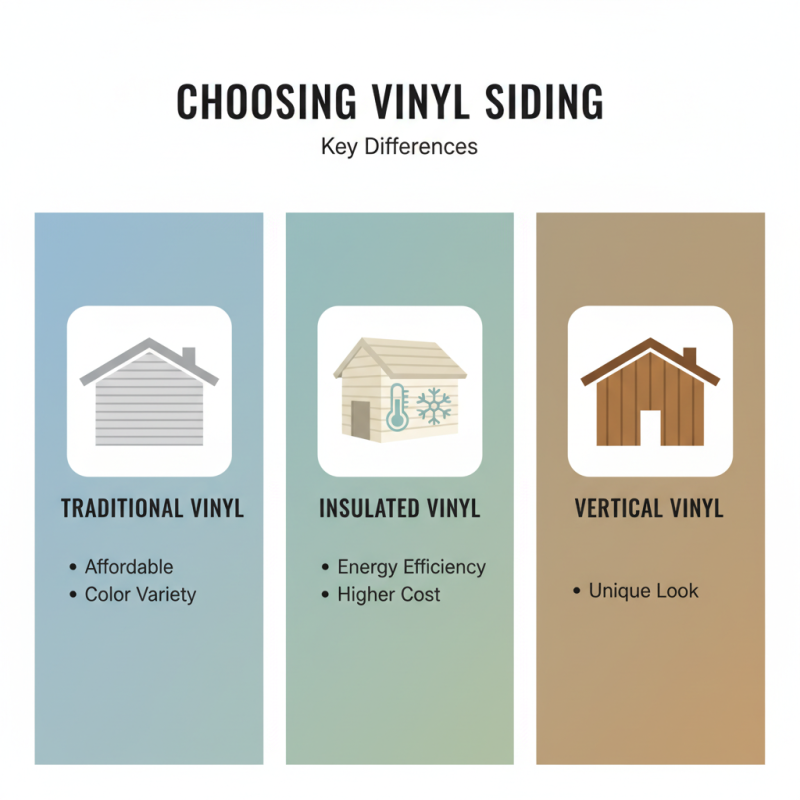
When choosing vinyl siding options for your home, it’s essential to compare different materials. Among the most common are traditional vinyl, insulated vinyl, and vertical vinyl siding. Traditional vinyl is popular due to its affordability and variety of colors. Insulated vinyl offers extra energy efficiency, helping to regulate temperature. However, insulation can drive up initial costs.
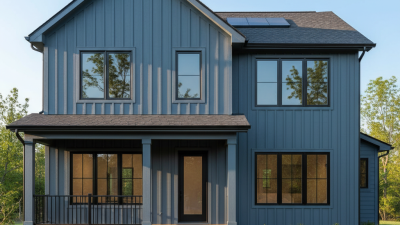
Vertical vinyl siding is another option that creates a unique aesthetic. This style can make your home appear taller and more distinguished. Still, it might not be as widely available. Each of these options has its pros and cons that require consideration. Would you prefer aesthetics over insulation? Or is ease of maintenance more vital?
Installation practices can also vary significantly. Some materials are easier to work with, while others may require professional help. You might save money on DIY projects, but mistakes can be costly. It’s crucial to weigh your skills against the complexity of the chosen siding. Home improvement should be rewarding, not frustrating. Ultimately, the decision should reflect your home's style and your long-term goals.
Color and Style Options for Vinyl Siding: What to Consider
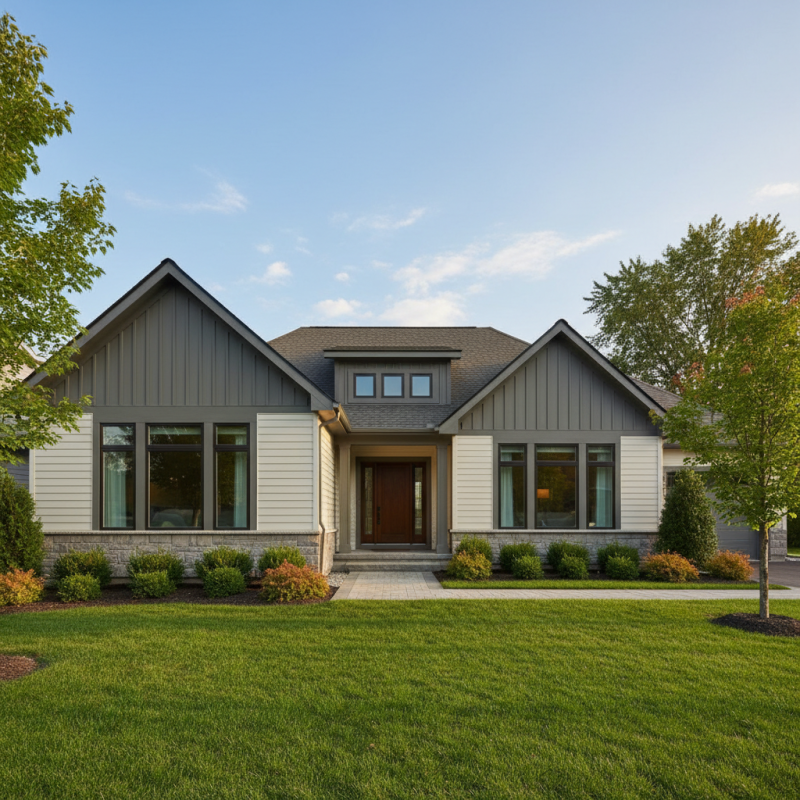
Choosing the right color and style for vinyl siding can feel overwhelming. There are many choices available. When selecting a color, consider your surroundings. A bright color might stand out too much. Subtle shades often blend well with nature. Think about the overall aesthetic you want for your home.
Style is equally important. Vinyl siding comes in different textures and patterns. Smooth finishes give a modern look. Textured options can mimic wood or stone. Each style creates a unique visual impact. Remember, the wrong choice can make your home look outdated. It’s crucial to align your selection with your personal taste and the architectural style of your home.
Don’t forget about maintenance. Lighter colors can show dirt more easily. Darker shades may fade faster in sunlight. Be prepared for cleaning and upkeep as seasons change. Balancing beauty and practicality can be challenging. Take your time to weigh your options and envision how they will look over the years.
Top Vinyl Siding Color Options for Your Home Exterior
Installation Tips and Best Practices for Vinyl Siding
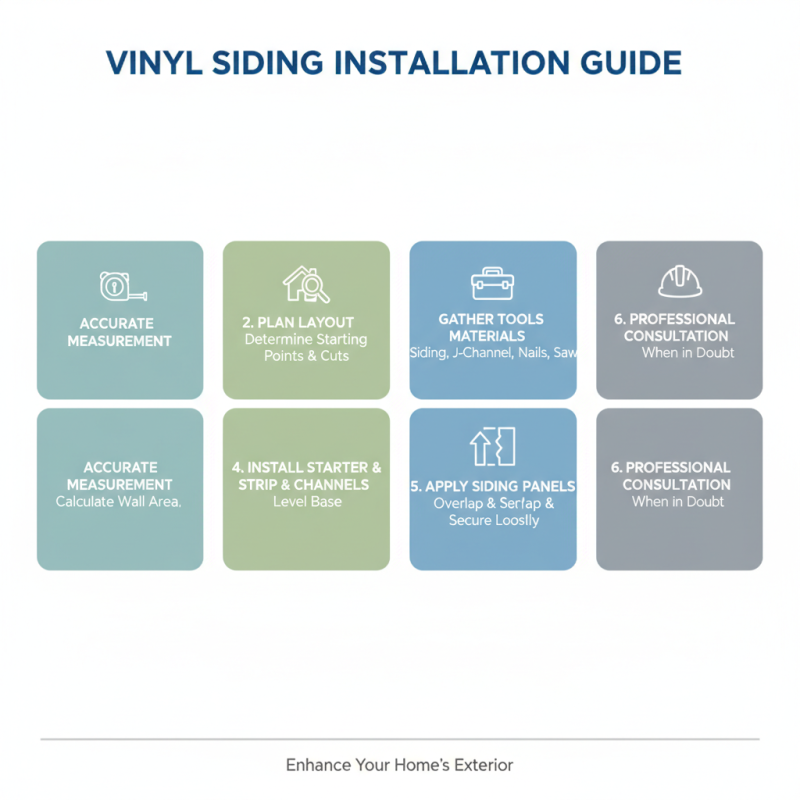
Installing vinyl siding can be a great way to enhance your home's exterior. However, the process requires careful planning and execution. Begin by measuring your walls accurately. Take your time with the measurements; inaccuracies can lead to wasted materials and uneven installation. If you’re uncertain, don’t hesitate to consult with a professional.
When it comes to installation, ensure you have the right tools. A level is essential for keeping everything straight. Use a chalk line for reference, as this aids in alignment. As you work, be mindful of temperature. Vinyl can expand or contract, affecting how it fits. Leaving some space for movement is advisable. Pay attention to corners and seams. These areas often reveal mistakes if not handled properly. It’s okay to make adjustments during installation; perfection takes practice.
Remember, patience is vital. Rushing through the process can lead to uneven lines and gaps. Try to focus on one section at a time. Working slowly may be frustrating, but quality is more important than speed. After completing the installation, step back to assess your work. Are there visible flaws? Reflection on your process can help you improve for future projects.
Maintenance Guidelines for Long-lasting Vinyl Siding Performance
Maintaining your vinyl siding is crucial for its longevity. Regular inspections can prevent minor issues from escalating. Look for cracks, warping, or fading. These problems can arise with time and weather changes. Addressing these early can save you money in repairs later.
Cleaning your vinyl siding is essential. Use a simple mixture of soap and water. A gentle scrub with a soft brush is often all it takes. Avoid using harsh chemicals; they can damage the material. If your siding collects mildew or dirt, it looks unappealing. Make it a habit to clean at least twice a year.
Mind the gutters too. Clogged gutters can lead to water damage. Over time, water can seep behind the siding, causing rot or mold. Inspecting your gutters regularly will help keep things in check. Vinyl siding can be low maintenance, but it still needs care and attention. Small efforts today can ensure your home remains beautiful for years.