Top 5 Vertical Siding Options: Enhance Home Value with These Expert Tips
When it comes to enhancing the curb appeal and overall value of your home, the choice of exterior siding plays a crucial role. In particular, vertical siding options are gaining popularity among homeowners and builders alike for their unique aesthetic appeal and functionality. According to renowned siding expert Mark Thompson, "Vertical siding options not only elevate the style of a home, but they also offer increased durability and maintenance advantages." His insights emphasize the importance of selecting the right siding style to reflect your personal taste while ensuring long-lasting performance.
As we delve into the top five vertical siding options available in 2025, we will explore their features, benefits, and how they can transform your home’s exterior. Whether you’re looking for a modern touch with board and batten or the classic elegance of cedar panels, these options will enhance your property’s appeal and market value.
Join us as we uncover expert tips on choosing the perfect vertical siding that aligns with your home design and lifestyle needs.
Choosing the Right Material for Vertical Siding: A Comprehensive Guide
When selecting vertical siding for your home, understanding the pros and cons of various materials is essential. Options such as wood, vinyl, fiber cement, and engineered wood all present unique benefits and challenges. According to the 2021 Remodeling Report, fiber cement siding offers exceptional durability and a return on investment (ROI) of approximately 87.5% upon resale, making it a top contender for homeowners looking to enhance property value.
Vinyl siding, often favored for its affordability and low maintenance, is another popular choice. Industry data indicates that vinyl siding can cost as little as $2 to $7 per square foot, providing an attractive option for budget-conscious homeowners. However, it's crucial to note that while vinyl can mimic the look of wood or other materials, it may not hold up as well in extreme climates, leading to potential long-term costs.
Wood siding, while more traditional and aesthetically pleasing, requires significant upkeep and can be susceptible to rot and insect damage. A recent survey by the National Association of Realtors highlighted that homes with well-maintained wood siding can potentially sell for 15% more than similar homes without it, underscoring the importance of careful selection and maintenance. Ultimately, choosing the right siding material involves balancing aesthetics, durability, and cost-effectiveness to ensure lasting value.
Top Vertical Siding Styles to Boost Aesthetic Appeal and Value
When it comes to boosting the aesthetic appeal of your home, choosing the right vertical siding style can make a significant difference.
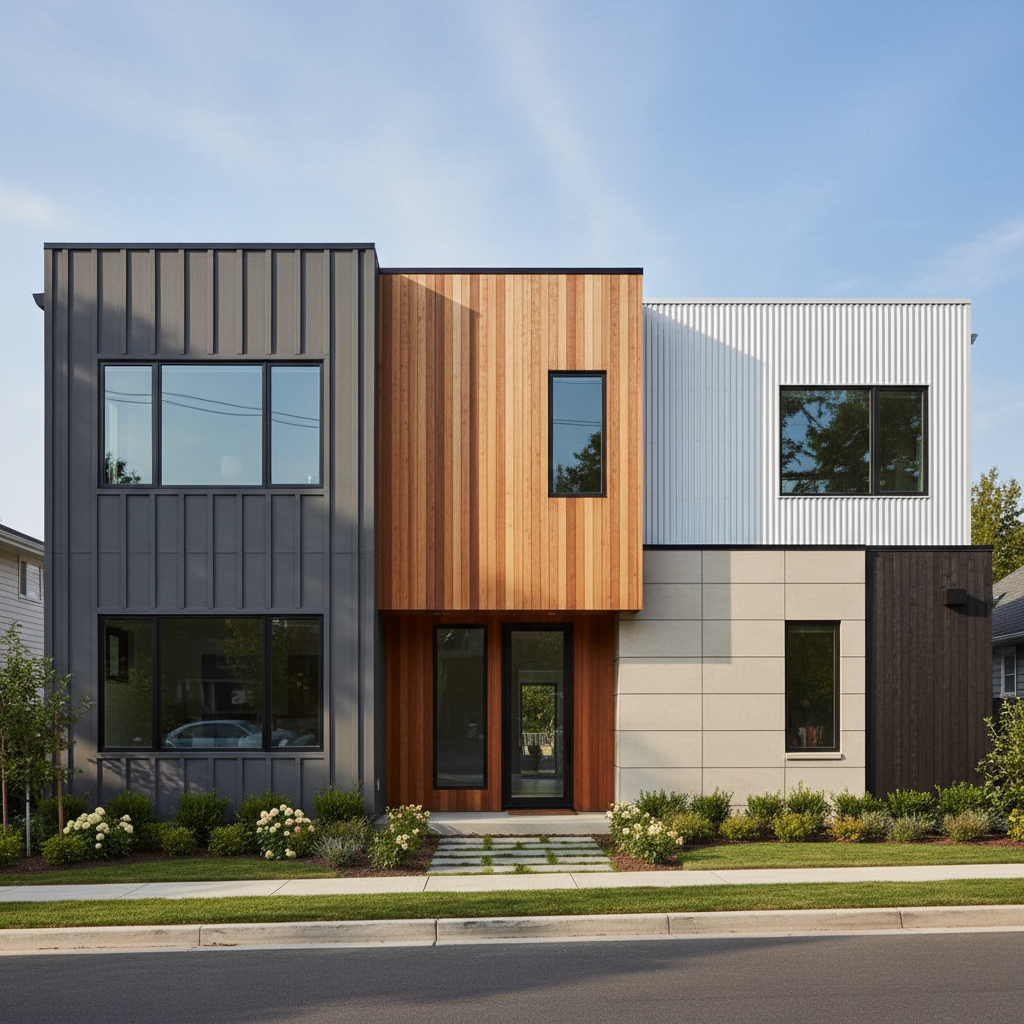
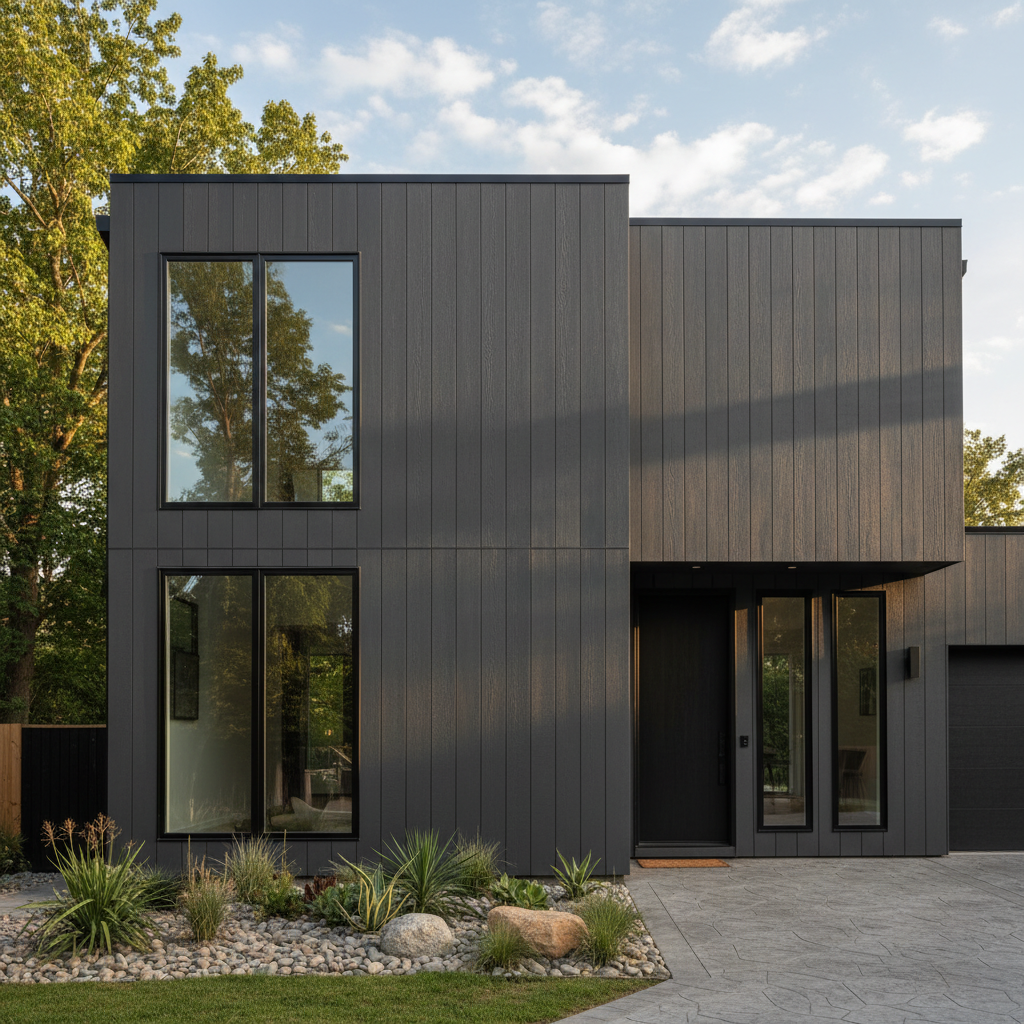
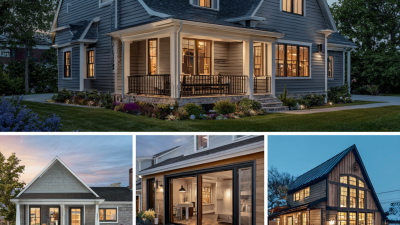
One popular option is board and batten siding, which features wide boards with narrow strips covering the seams. This style creates a charming, rustic look that adds character, making it ideal for farmhouses and modern homes alike. Its vertical lines visually elongate the structure, enhancing its height and making your property stand out in the neighborhood.
Another excellent choice is wood siding, which offers a timeless, natural beauty. Available in various finishes, from smooth to rough-hewn, wood siding can be customized to match your home's architectural style. Additionally, the durability and insulating properties of wood can contribute to energy efficiency, which adds further value to your investment.
For a more contemporary approach, consider metal siding. Its sleek, modern appearance and low maintenance requirements make it a smart option for those looking to modernize their home's exterior. With these vertical siding styles, you can effectively elevate your home's curb appeal while enhancing its overall value.
Durability and Maintenance: What Every Homeowner Should Consider
When selecting vertical siding for your home, durability and maintenance are paramount for ensuring long-term satisfaction and value. Homeowners should be aware that not all materials are created equal; some options, like fiber cement and engineered wood, offer exceptional resilience against weather-related damage, such as rot and pests. These materials can withstand harsh climates and extreme temperatures, making them ideal for various geographic locations.
Maintenance also plays a critical role in the life span of vertical siding. Homeowners should consider options that require minimal upkeep, such as vinyl siding, which only needs periodic cleaning with soap and water to maintain its appearance. In contrast, wood siding may necessitate regular painting or staining to protect against moisture and insect damage. By investing in the right siding material and committing to proper maintenance, homeowners can enhance their property’s curb appeal while significantly increasing its market value.
Cost vs. Benefit: Analyzing the Investment in Vertical Siding
When considering the investment in vertical siding, it's essential to weigh the costs against the benefits to make an informed decision. Vertical siding may come with a higher initial price tag compared to traditional horizontal options, but its unique design and aesthetic appeal can significantly enhance a home's value. Homeowners should factor in the longevity and durability of materials, as well as the potential return on investment when it comes time to sell.
Beyond the immediate financial implications, vertical siding offers significant advantages in terms of energy efficiency and maintenance. Many modern materials provide better insulation, reducing energy costs over time. Additionally, vertical siding can divert rainwater more effectively, preventing moisture accumulation and subsequent damage. By analyzing these factors, homeowners can determine whether the upfront costs align with the long-term benefits, ultimately deciding if vertical siding is a wise investment for their property.
Expert Installation Tips for Maximum Performance and Longevity
When considering vertical siding for your home, expert installation is critical to maximize both performance and longevity. According to the North American Siding Institute, proper installation can increase the lifespan of siding by up to 20 years, making it a worthwhile investment for homeowners. Key installation tips include ensuring that the substrate is clean and dry before application, as moisture can significantly undermine the material's durability. Additionally, using the correct fasteners and spacing is vital to accommodate expansion and contraction, which can otherwise lead to warping or cracking over time.
Furthermore, employing a professional installer with experience in vertical siding can yield substantial benefits. A report from the National Association of Home Builders indicates that professionally installed siding retains its value better than DIY installations. This is because experts are aware of local building codes and best practices that enhance energy efficiency and contribute to overall home performance. Investing in skilled labor not only secures a quality finish but can also lead to energy savings of up to 15% annually, further increasing your home’s market value.