Top Vertical Siding Options You Should Consider for Your Home?
When considering home renovations, choosing the right vertical siding options is crucial. Vertical siding not only enhances curb appeal but also adds character to your home. Different materials and styles can cater to various tastes and budgets.
It's essential to understand the various options available. Traditional wood can provide a rustic look, while vinyl offers durability and low maintenance. Fiber cement and metal siding are also popular choices. Each option brings its own set of benefits and limitations.
Homeowners often overlook the impact of color and texture when choosing vertical siding options. A well-chosen design can reflect your personality and elevate your home's overall aesthetic. However, one must contemplate the long-term implications, such as durability and upkeep. Benefits can sometimes come with hidden costs, making careful consideration vital.
Understanding Vertical Siding: What It Is and Its Benefits
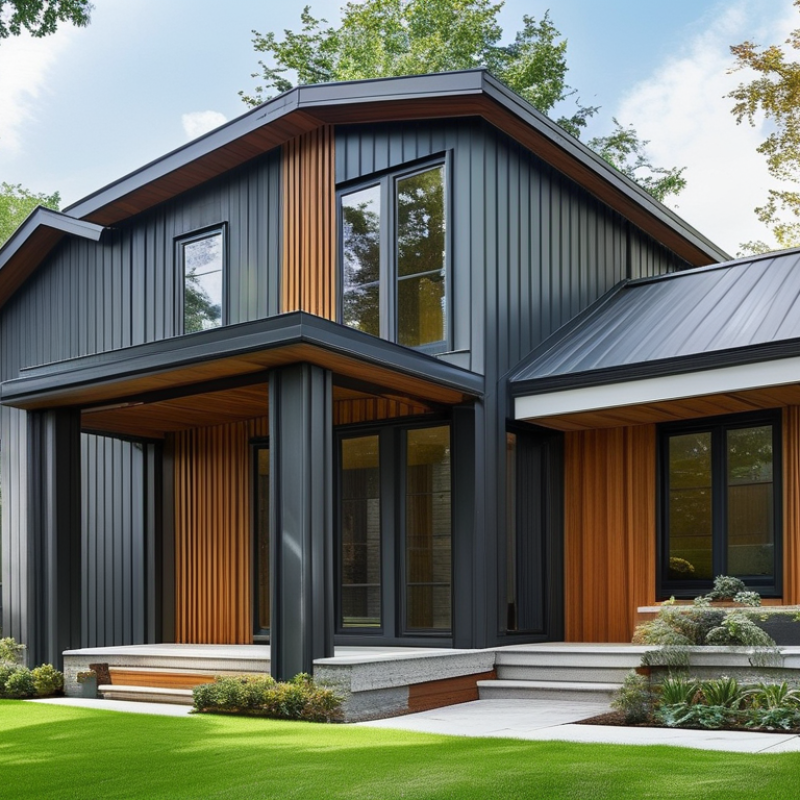
Vertical siding is an appealing choice for many homeowners. It offers a sleek, modern aesthetic that enhances the overall look of a house. Unlike traditional horizontal siding, vertical siding can create an illusion of height. This can help a home look more expansive and inviting. The unique design makes it stand out, offering a fresh take on exterior aesthetics.
There are several benefits to using vertical siding. It channels rainwater efficiently, reducing the risk of water damage. This is crucial in areas with heavy rainfall. Vertical siding is also easier to maintain compared to other siding options. When properly installed, it can resist warping and shrinking. However, installation can be challenging. An inexperienced installer may lead to future issues. It's essential to research and select skilled professionals to ensure a quality installation.
Moreover, vertical siding is available in various materials. From wood to vinyl, the options cater to different climates and styles. Each material brings its own set of advantages and drawbacks. Homeowners should consider these factors carefully. A careful choice can enhance both durability and appearance. Balancing aesthetics with practicality is key, and reflection on your specific needs is essential.
Popular Materials for Vertical Siding: A Comparison Guide
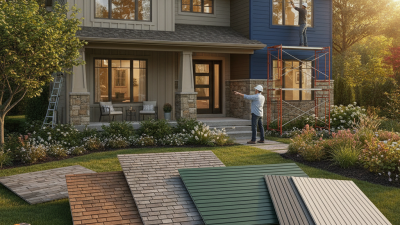
When choosing vertical siding for your home, consider popular materials like wood, vinyl, and fiber cement. Each has its own benefits and drawbacks. Wood offers natural beauty and charm but requires regular maintenance to avoid rot. Vinyl is low maintenance and cost-effective, while fiber cement is durable and fire-resistant. However, it may need professional installation, adding to the cost.
One key aspect is the local climate. Wood siding can warp and crack in extreme weather, while vinyl may fade under intense sunlight. Fiber cement holds up well, yet it's heavier and needs a solid frame. Assessing these factors will help you make an informed choice.
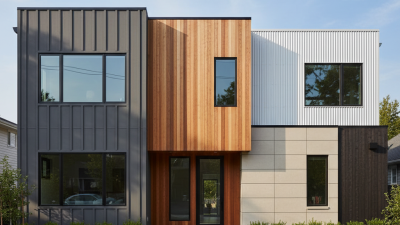
Do not overlook aesthetics. Vertical siding adds character to your home, but the wrong material can detract from its appearance. Experiment with color and finish but remember that trends change. Classic styles often age better. Consider how each material complements your home's style. This attention to detail can enhance your home's curb appeal significantly.
Design Styles for Vertical Siding: Enhancing Your Home's Aesthetic
Vertical siding offers a modern yet timeless aesthetic for homes, enhancing curb appeal significantly. According to the 2022 Remodeling Report, vertical siding options can deliver a return on investment of up to 75%. This data underscores the growing popularity of vertical designs, particularly for their unique architectural appeal.
Many homeowners are embracing various design styles. Board-and-batten, for example, combines rustic charm with contemporary flair, creating a distinctive look. This style involves alternating wide boards with narrow battens, achieving depth and texture. Similarly, shiplap vertical siding exudes a clean, modern vibe. The seamless grooves allow for easy installation and a polished finish.
However, selecting the right style can be challenging. Some homeowners may lean too heavily on trends, risking future dissatisfaction. It’s vital to consider not only current aesthetics but also long-term preferences. Balancing personal taste with potential market appeal can be a delicate art. Consulting with design professionals can provide valuable insights, helping to avoid costly missteps.
Top Vertical Siding Options and Their Popularity
Installation Considerations for Vertical Siding: Expert Tips
When considering vertical siding, proper installation is key for durability. Start by assessing your home's structure. Check for any uneven surfaces that may affect the installation process. A level base ensures your siding panels fit correctly. Incorrect alignment can lead to gaps and eventual water damage. Use spacers during installation to maintain uniformity.
Tools like a framing square and chalk line can improve your accuracy. Remember, the quality of your materials matters just as much as the installation process. High-quality siding can withstand harsh weather better. However, even the best materials won’t perform well if installed poorly. Always keep the manufacturer’s guidelines in mind. Lastly, don’t forget about local building codes. Familiarizing yourself with regulations saves you from future headaches. Proper planning is crucial for lasting results.
Top Vertical Siding Options You Should Consider for Your Home
| Siding Type |
Material |
Durability |
Maintenance Level |
Installation Cost ($/sq ft) |
| Wood |
Cedar, Pine |
Moderate |
High |
5-10 |
| Vinyl |
PVC |
High |
Low |
3-7 |
| Fiber Cement |
Cement, Sand, Cellulose |
Very High |
Moderate |
6-12 |
| Metal |
Aluminum, Steel |
Very High |
Low |
7-15 |
| Composite |
Wood Fiber, Synthetic Materials |
High |
Low |
5-10 |
Maintenance Requirements for Vertical Siding: Ensuring Longevity
When selecting vertical siding for your home, consider its maintenance requirements to ensure longevity. Many homeowners overlook the upkeep needed for various materials. For example, wood siding requires regular staining or painting to prevent rot and insect damage. This can be time-consuming and costly. Regular inspections for wear and tear are essential.
Vinyl siding demands less maintenance. It may fade over time, but it only needs occasional cleaning with soap and water. Still, improper installation can lead to problems like mold growth. Inspect joints and seams for water intrusion. Fiber-cement siding offers durability but needs painting every 10-15 years. Pay attention to cracks and chips, as they can allow moisture in.
No siding option is perfect. Most materials will require some upkeep to look their best. Ignoring these maintenance needs can result in costly repairs and reduced curb appeal. Consider your lifestyle and budget when choosing vertical siding. Each option has its advantages and obstacles. Reflect on your commitment to maintaining the integrity of your home’s exterior.