China Top 10 Aquarium Filter Pump Suppliers?
Choosing a reliable Aquarium Filter Pump supplier requires more than comparing prices or counting product models. Pump performance affects water clarity, oxygen circulation, noise levels, and the health of aquatic life. This guide introduces China’s top 10 suppliers through practical purchasing criteria, not marketing claims alone.
The evaluation considers flow rate, maximum head height, power consumption, impeller design, sealing quality, and continuous operating stability. Product data, factory capabilities, export experience, certifications, customization services, and after-sales support also matter. A compact 25-watt pump may suit a home aquarium, while a larger commercial system needs stronger flow and dependable heat control. Small details count, such as a ceramic shaft, replaceable suction cups, and a firmly sealed cable entry.
Supplier credibility deserves equal attention. Consistent technical documents, traceable quality inspections, responsive engineers, and clear warranty terms can reduce costly misunderstandings. Factory visits, sample testing, and independent verification remain useful when possible. No list is permanent. Supplier performance can change with new equipment, management decisions, or changing material costs. That limitation matters.
This overview aims to help importers, aquarium retailers, wholesalers, and project buyers create a more careful shortlist. It does not treat the highest flow rate as the best choice. Instead, it connects pump specifications with real operating conditions, including tank volume, water lift, filtration resistance, and expected daily runtime. Better decisions often come from asking sharper questions.
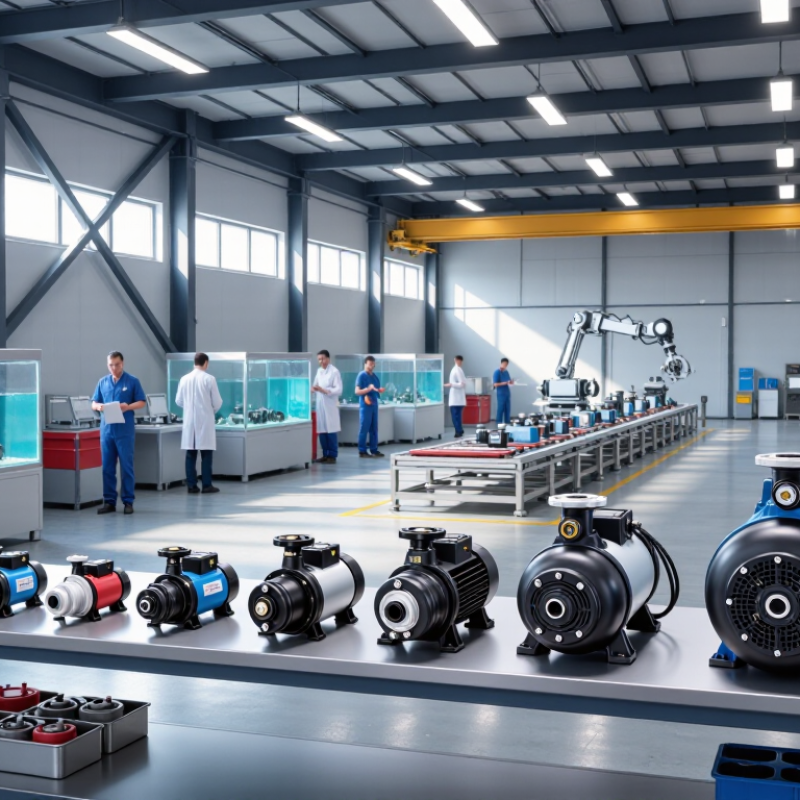
What Makes a Leading Aquarium Filter Pump Supplier in China?
A leading aquarium filter pump supplier in China must prove performance beyond a polished catalog. The 2023–2024 APPA National Pet Owners Survey reported 10.7 million U.S. freshwater-fish households. That demand makes stable filtration a practical requirement, not a marketing phrase. Suppliers should provide tested flow rates, head-height curves, power consumption, noise readings, and continuous-run results. A pump rated at 2,000 liters per hour may deliver much less after hoses, media, and elevation are added.
Look for engineering depth. Strong suppliers inspect impellers, seals, electrical insulation, and molding tolerances during production. They should also keep batch records and offer traceable corrective actions. Compliance with applicable IEC or EN safety requirements matters, but a CE mark alone does not prove durability. Ask for test methods and recent reports. Small details matter. A loose ceramic shaft can create vibration within weeks.
My own evaluation would include a 72-hour test with a restricted inlet and realistic tubing. That test is imperfect, yet useful. Suppliers should explain failure rates, warranty handling, and replacement-part availability without vague promises. Industry reports often measure market growth, but buyers still need factory evidence. The best supplier may not offer the lowest price. It offers repeatable output, honest limitations, and technical support after shipment. Mistakes still happen; transparent response separates a dependable partner from a temporary seller.
China’s Top 10 Aquarium Filter Pump Suppliers
China’s Top 10 Aquarium Filter Pump Suppliers
China’s top ten aquarium filter pump suppliers should be judged by evidence, not factory photographs. The shortlist should include manufacturers with stable export records, documented flow tests, and independent quality controls. Grand View Research valued the global aquarium market at approximately USD 6.3 billion in 2023, with continued growth expected through 2030. This expansion increases demand for quieter pumps, lower energy use, and compact filtration systems. However, aquarium-specific supplier data remains fragmented. That is an important limitation.
A practical review checks motor temperature, flow reduction, noise levels, and saltwater resistance. Ask each supplier for test results at different head heights, such as 0.5 and 1 meter. A pump rated at 2,000 liters per hour may deliver far less after tubing and filter media are installed. Real conditions matter. The U.S. Department of Energy notes that pump efficiency depends heavily on system resistance and operating conditions. Suppliers should also provide electrical safety files, material specifications, production photographs, and traceable batch records. The ten strongest candidates usually offer customizable impellers, ceramic shafts, replacement parts, and clear warranty procedures. Some factories still publish ideal laboratory figures without showing working-load performance. That weakness deserves scrutiny. A small sample order, 30-day noise observation, and repeated start-stop test can reveal more than a polished catalogue.
Product Types and Technologies Offered by These Suppliers
China’s leading aquarium filter pump suppliers offer several product types for different tank sizes. Internal submersible pumps suit compact freshwater tanks and quarantine systems. External canister pumps provide stronger mechanical and biological filtration for larger aquariums. Hang-on-back units save space, while air-driven sponge filters support breeding tanks with gentle water movement. Some suppliers also produce DC circulation pumps and integrated wave makers.
Technology choices are becoming more practical. Brushless DC motors reduce friction, heat, and maintenance needs. Variable-speed controllers help aquarists adjust flow for delicate plants, shrimp, or powerful marine systems. Ceramic shafts improve corrosion resistance, especially in saltwater. Multi-stage designs commonly combine foam, ceramic media, and activated carbon. A few models integrate ultraviolet clarification, though UV cannot replace proper biological filtration.
Energy use deserves closer attention. The U.S. Department of Energy reports that electric motors account for a major share of global electricity consumption, making efficient pump design commercially important. Grand View Research estimated the global aquarium market at several billion dollars in recent assessments, with continued growth expected through the decade. However, published flow rates can be optimistic. Real performance falls after tubing, filter media, and water height are added. Suppliers should publish measured flow curves, noise readings, and wattage under load. That evidence is still uneven. Quiet matters. Reliability matters more.
China Top 10 Aquarium Filter Pump Suppliers: Product Types and Technologies
Representative nominal flow-rate ranges commonly specified for major aquarium filter categories. Actual performance varies with head height, media loading, tubing, and operating conditions.
Key Factors for Choosing the Right Chinese Supplier
Choosing among China’s top aquarium filter pump suppliers requires more than comparing online prices. Start with the pump’s actual flow rate, head height, voltage, noise level, and power consumption. A model rated at 3,000 liters per hour may deliver much less after tubing, bends, and filter media reduce pressure. Ask for test data under realistic conditions.
Inspect the supplier’s technical capability and quality controls. Request product samples, material specifications, factory photos, and recent inspection records. Check whether the supplier can provide stable production, clear wiring instructions, replacement impellers, and traceable batch numbers. Certifications should match your target market, not simply appear in a sales presentation. Confirm saltwater compatibility if marine aquariums are involved. Small details matter.
Test communication before signing a large order. Reliable suppliers answer technical questions directly and explain limitations. Ask about minimum order quantities, lead times, packaging strength, warranty terms, and failure handling. I once focused too heavily on a low quotation and overlooked spare-part availability. That decision created avoidable delays. A factory visit can help, but a polished showroom is not proof of consistent production. Compare sample performance with mass-production records, and put agreed specifications into a written contract. Some suppliers may promise customization too quickly. Treat that as a point for careful review.