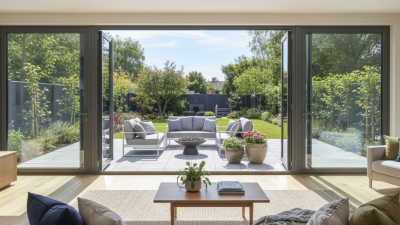

When it comes to enhancing the beauty and functionality of your home, bow windows can be a stunning addition that transforms both the interior and exterior of any space. These elegantly curved windows not only allow for a greater influx of natural light but also provide a panoramic view that can make even the smallest rooms feel more expansive. Choosing the perfect bow windows, however, requires careful consideration to ensure they complement the architectural style of your home while meeting your personal aesthetic preferences.
In this guide, we will explore essential tips for selecting the ideal bow windows that not only enhance your home’s curb appeal but also improve energy efficiency and comfort. From understanding the various design options available to considering the right materials and installation techniques, each element plays a vital role in achieving the perfect look and function for your living space. Whether you are embarking on a renovation project or building a new home, these insightful tips will help you make informed decisions and create the perfect ambiance with your bow windows.
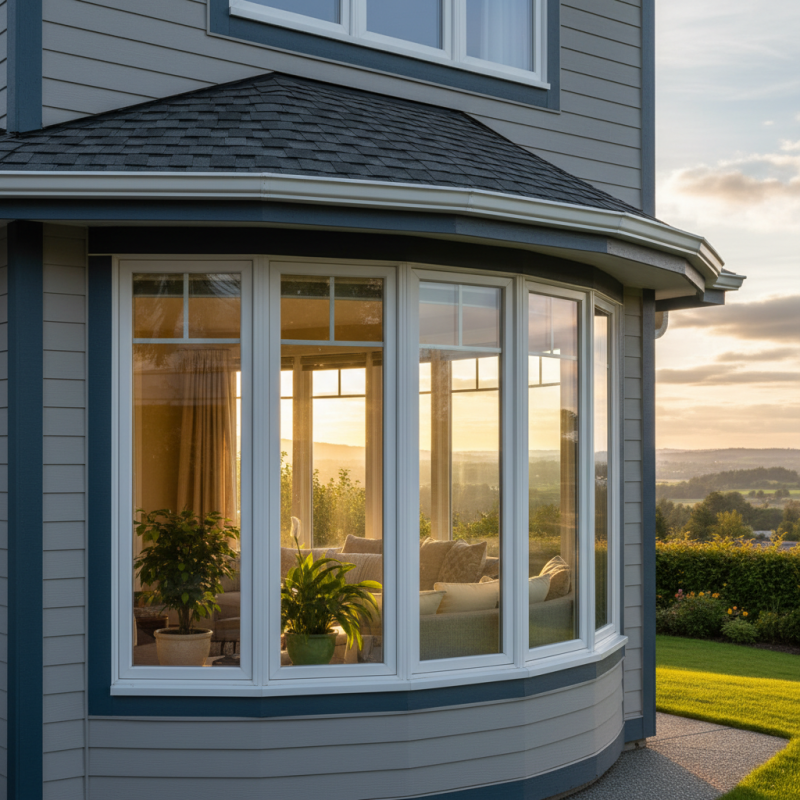
Bow windows are a unique architectural feature that can enhance the aesthetic appeal of any home. Defined as a series of windows that curve outward, bow windows typically consist of four or more individual panels that form a soft, sweeping arc. This design not only adds dimension to a room but also creates an inviting and spacious atmosphere by allowing more natural light to flow in. The gentle curve of bow windows helps to soften the lines of a home’s exterior, making them a popular choice for those looking to combine functionality with visual interest.
In addition to their captivating appearance, bow windows offer versatility in terms of design and functionality. They can be used in various settings, from living rooms to dining areas, and can easily complement different architectural styles. Bow windows often provide a broader view of the outdoors, making them ideal for showcasing gardens or scenic landscapes. With the right decor and seating arrangements, they can serve as cozy reading nooks or serene relaxation areas. Understanding these key features can help homeowners make informed decisions when selecting bow windows that align with their vision for enhancing their living spaces.
When considering the placement of bow windows, it's crucial to assess your home's architectural style to ensure that these elegant additions enhance the overall aesthetic rather than detract from it. Bow windows, characterized by their curved structure and multiple panes, can complement a range of architectural designs, from traditional to modern. Take the time to evaluate the lines and proportions of your home; a bow window should harmonize with existing features rather than overpower them. For instance, in a Victorian-style home, a beautifully crafted bow window can accentuate ornamental details, while in a contemporary setting, a more minimalist design can offer a striking contrast.
Another important factor to consider is the orientation of your home. Bow windows are not just visually appealing—they also play a significant role in light and energy efficiency. By analyzing how sunlight enters your home throughout the day, you can strategically position bow windows to maximize natural light in key living spaces. In addition to aesthetic considerations, think about the view that the window would frame. A well-placed bow window can create a picturesque sight, whether it opens to a lush garden, a scenic view, or a vibrant street. Overall, careful assessment of your home’s architecture and surroundings will lead to the ideal bow window placement, creating a warm and inviting atmosphere.
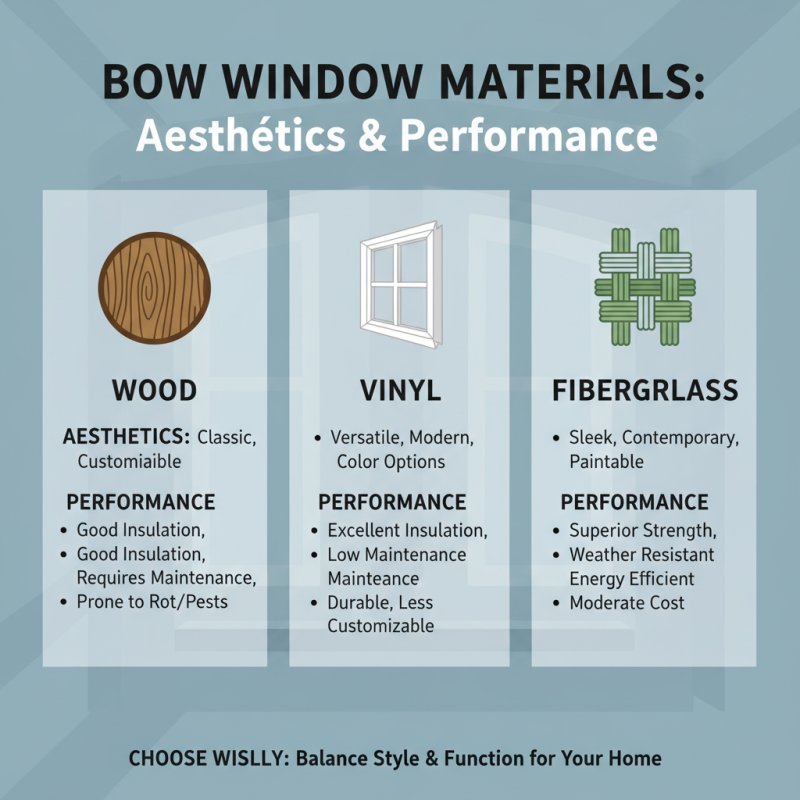
When selecting the perfect bow windows for your home, choosing the right material is crucial, as it directly impacts both aesthetics and performance. The three primary materials used for bow windows are vinyl, wood, and fiberglass, each with its own advantages and drawbacks. According to a 2022 report from the American Institute of Architects, vinyl windows have gained significant popularity due to their low maintenance requirements and energy efficiency. They can reduce energy costs by up to 30% when adequately insulated, making them a practical choice for homeowners looking to save on utility bills.
In contrast, wood windows offer timeless beauty and can significantly enhance the character of a home. While they require more upkeep to prevent rot and warping, a study by the National Association of Home Builders revealed that well-maintained wood windows can last for decades, often leading to higher property values. However, they may come at a higher initial cost compared to vinyl options. Fiberglass windows, on the other hand, present a blend of benefits, offering durability while mimicking the appearance of wood. Research indicates that fiberglass can withstand extreme weather conditions, with a lifespan that rivals that of wood, making it an excellent investment for some homeowners.
The choice ultimately depends on individual preferences regarding maintenance, cost, and aesthetic appeal. By understanding the distinct characteristics of each material, homeowners can make informed decisions that best suit their needs and enhance their home's value.
When selecting bow windows for your home, energy efficiency and performance ratings should be at the forefront of your decision-making process. These windows are not only a striking architectural feature but also play a crucial role in regulating your home's temperature and overall energy consumption. Look for windows that have a high Energy Star rating, as they are designed to minimize heat loss during winter and reduce heat gain in summer. This not only provides comfort throughout the year but also leads to significant savings on your energy bills.
Additionally, understanding the performance ratings of bow windows can guide you toward making an informed choice. Pay attention to the U-factor, which measures the rate of heat transfer; lower U-factor values indicate better insulation properties. Similarly, the Solar Heat Gain Coefficient (SHGC) is essential, as it reflects the amount of solar radiation that enters your home. A lower SHGC is preferable in warmer climates, while a higher value can be beneficial in cooler regions. By prioritizing these factors, you can ensure that your bow windows enhance both the aesthetics and efficiency of your living space.
| Window Type | Energy Efficiency Rating (U-factor) | Performance Rating (Air Leakage) | Performance Rating (Water Resistance) |
|---|---|---|---|
| Vinyl Bow Window | 0.30 | 0.03 | A |
| Wooden Bow Window | 0.25 | 0.02 | B |
| Aluminum Bow Window | 0.35 | 0.04 | C |
| Composite Bow Window | 0.27 | 0.025 | A |
| Fiberglass Bow Window | 0.22 | 0.01 | A |
When considering the addition of bow windows to your home, budgeting is a crucial aspect that can significantly influence your decision. The costs of bow windows can vary widely, depending on factors such as size, materials, and installation intricacies. According to a report from the National Association of Home Builders, homeowners can expect to invest between $1,500 and $5,000 for a standard bow window installation. While the initial outlay might seem high, assessing the long-term benefits can provide clarity and justification for this investment.
Bow windows not only enhance the aesthetic appeal of your home but also offer significant energy savings over time. Research from the Department of Energy indicates that windows designed with energy-efficient features can reduce heating and cooling costs by up to 15%. Additionally, their unique design allows for improved natural light, which can reduce reliance on artificial lighting. Therefore, the upfront expenditure is often offset by lower utility bills and the increased value of your property. As a result, investing in bow windows may well prove to be a financially sound decision as it combines style, comfort, and potential long-term savings.
This chart illustrates the initial costs, maintenance costs, potential energy savings, and the increase in home value associated with installing bow windows, providing a comprehensive overview for budgeting considerations.