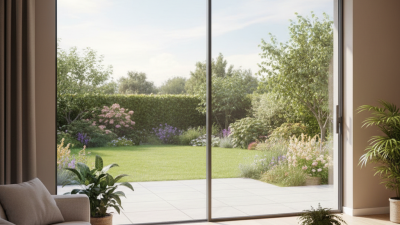
What is a Sliding Door and How Does It Enhance Modern Architecture?
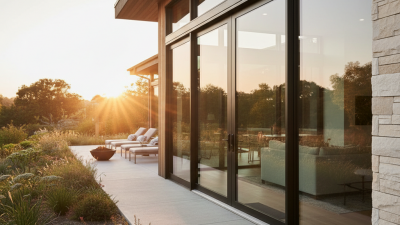
Sliding doors are becoming essential elements in modern architecture. They seamlessly connect indoor and outdoor spaces. With their ability to allow natural light and enhance views, sliding doors are favored in contemporary homes. According to the American Architectural Manufacturers Association (AAMA), sliding doors make up approximately 25% of the residential door market.
A striking feature of sliding doors is their versatility. They can fit various architectural styles, from minimalistic to traditional. Large panels of glass can replace walls, creating a sense of openness. Yet, these innovative designs come with challenges. Installation must be precise, and maintenance can be overlooked. Regular upkeep is necessary to ensure functionality and aesthetics.
The demand for energy-efficient sliding doors is rising. Research shows that homeowners are increasingly seeking options that improve insulation. However, not all sliding doors are created equal. Consumers must weigh durability against trends. As architects embrace these features, they also question the balance of form and function. While sliding doors enhance spaces, reflection on their long-term sustainability is crucial.
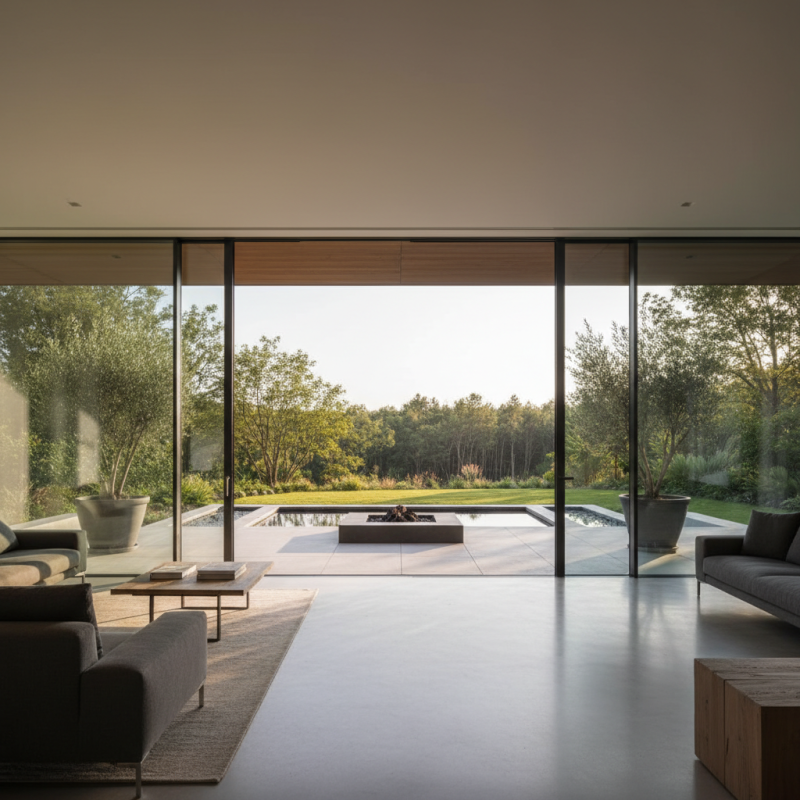
Definition of Sliding Doors and Their Mechanism of Operation
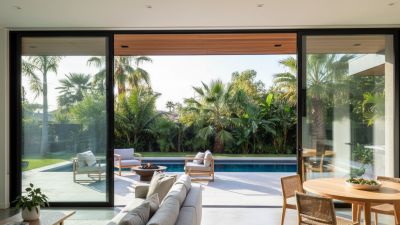
Sliding doors are a stylish and functional feature in modern architecture. They consist of large panes of glass that slide open and closed, offering an unobstructed view between indoor and outdoor spaces. This design improves natural light and creates an inviting atmosphere in homes and offices. The mechanism behind sliding doors typically uses a system of tracks and rollers, allowing for smooth operation that is both practical and elegant.
Many homeowners appreciate sliding doors for their space-saving qualities. Unlike traditional doors, they do not require extra clearance to swing open. This makes them ideal for compact living areas. According to a report by the American Institute of Architects, sliding doors are increasingly favored in modern residential designs, reflecting a shift towards open floor plans.
Tips: Regular maintenance is essential for optimal performance. Check the tracks for debris and ensure they are lubricated. Also, consider the placement and size of your sliding door to maximize the view and natural light. While they enhance aesthetic appeal, be mindful that they can compromise privacy and security if not properly designed.
Key Benefits of Sliding Doors in Modern Architectural Design
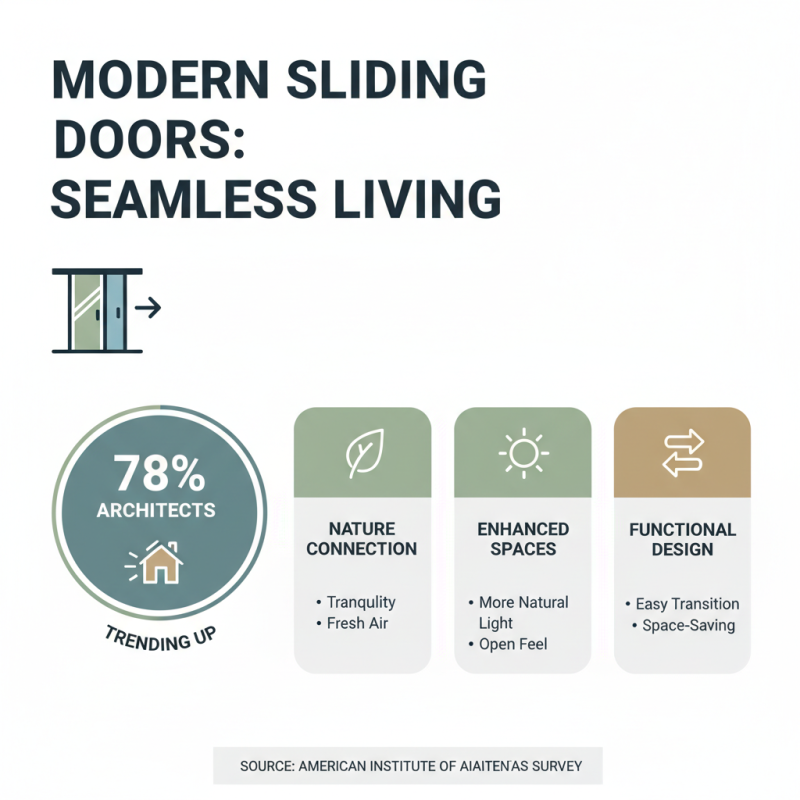
Sliding doors have become a staple in modern architecture, blending aesthetic appeal with functionality. One of the key benefits is their ability to create seamless transitions between indoor and outdoor spaces. According to a recent survey by the American Institute of Architects, 78% of architects reported a growing trend in the use of large sliding glass doors to enhance natural light and improve ventilation in homes. This connection to nature is increasingly important for homeowners seeking tranquility.
Another advantage of sliding doors is their space-saving design. Traditional doors swing open, requiring ample space. In contrast, sliding doors glide along tracks, making them ideal for smaller spaces or areas with high foot traffic. The National Association of Home Builders found that nearly 67% of homebuyers prefer sliding doors for their practicality in urban environments. However, maintenance is critical. Tracks can accumulate dirt over time, leading to malfunction, which can be frustrating for users.
Energy efficiency is also a relevant topic. Modern sliding doors often come with advanced insulation features. According to a report from the Efficient Windows Collaborative, energy-efficient sliding doors can save homeowners up to 20% on their utility bills. Yet, homeowners must be aware that not all sliding doors meet these standards. It is essential to assess the specifications to ensure they deliver quality performance and comfort throughout the year.
Materials and Technologies Used in Sliding Door Construction
Sliding doors have become a popular choice in modern architecture, enhancing both functionality and aesthetics. Their construction utilizes a variety of materials and technologies, making them versatile for various designs. Glass and aluminum are common, providing a sleek look. Many sliding doors now feature insulated glass to improve energy efficiency. This makes them ideal for both residential and commercial spaces.
Choosing the right materials is crucial. Consider local climate conditions when selecting insulation options. It can affect longevity and functionality. Employing lightweight materials allows for easy operation. But be wary of durability. Not all lightweight options are built to last. A balance must be found to ensure both convenience and resilience.
In terms of technology, some sliding doors integrate smart features. There are automated systems that can be controlled via mobile devices. This adds an element of modern convenience. However, relying too heavily on tech can lead to issues. Always have manual options available. For a seamless blend of nature and structure, ensure that outdoor spaces connect well with indoor areas. Creating flow is essential in modern design.
Material Usage in Sliding Door Construction
Design Trends: Integrating Sliding Doors into Contemporary Spaces
Sliding doors are transforming modern architecture. They blend indoor and outdoor spaces seamlessly. This design choice emphasizes openness. According to a recent study by the American Institute of Architects, 40% of new homes now feature sliding doors prominently. These doors can enhance natural light. More light can make spaces feel bigger and more inviting.
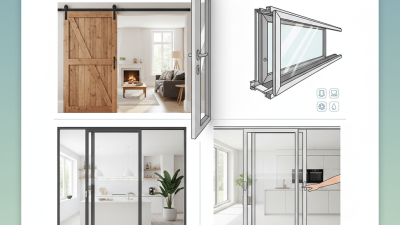
In contemporary interiors, sliding doors are versatile. They often come in glass or wood finishes. This variety allows for customization in design. A report from the National Association of Home Builders indicates that sliding doors help improve energy efficiency by reducing reliance on artificial lighting. The sleek lines of these doors can complement minimalist styles, yet they may feel cold in a cozy setting.
However, challenges exist. Not everyone appreciates the lack of sound insulation. Some homeowners find they can be tricky to clean. Maintenance can become a concern, especially with outdoor exposure. Balancing aesthetics and practicality is crucial. Optimal design should meet both visual appeal and functional needs. Engaging with these considerations can lead to more thoughtful spaces.
What is a Sliding Door and How Does It Enhance Modern Architecture? - Design Trends: Integrating Sliding Doors into Contemporary Spaces
| Feature |
Description |
Benefits |
Applications |
| Space Efficiency |
Sliding doors operate by gliding horizontally, saving space compared to traditional doors. |
Ideal for small rooms, maximizing usable space. |
Residential and commercial settings. |
| Natural Light |
Large panes of glass allow abundant natural light into living spaces. |
Enhances mood, reduces the need for artificial lighting. |
Patios, balconies, and interiors. |
| Aesthetic Appeal |
Sleek, modern design that complements contemporary architecture. |
Creates a seamless transition between indoor and outdoor spaces. |
Modern homes, office spaces. |
| Versatility |
Available in various materials like glass, wood, and metal. |
Flexible design options to fit different styles. |
Residential, hospitality, and commercial constructions. |
| Energy Efficiency |
Modern sliding doors are designed with insulated glass and energy-efficient frames. |
Helps in reducing heating and cooling costs. |
Eco-friendly buildings and energy-efficient homes. |