

What Are Make Up Pouches and How Are They Used?

Make Up Pouches are compact organizers designed to store cosmetics, skincare products, brushes, and small personal-care items. They come in many shapes, from slim zip cases to structured bags with several compartments. In daily use, the right pouch can keep lipstick away from powder and brushes separated from liquid products. This simple arrangement saves time when preparing for work, travel, or an evening event. Small item. Big difference. Yet the best design depends on what you carry and how often you move.

A practical guide to Make Up Pouches should examine materials, capacity, closures, and cleaning needs. Water-resistant nylon helps contain minor spills, while coated fabric wipes clean more easily than delicate cloth. Transparent sections can make a favorite shade visible, but they may show stains quickly. Elastic brush loops reduce movement and protect bristles from bending inside the bag. Experienced users also check seams, zipper strength, and the pouch’s ability to stand upright. These details often matter more than decorative patterns.

Make Up Pouches are useful at home, in handbags, and inside carry-on luggage. At home, a larger organizer can hold daily products near a mirror. During travel, smaller pouches separate liquids, tools, and backup items, making packing less stressful. Regular cleaning remains important because makeup residue, moisture, and dust can collect inside. No pouch solves every problem. Overfilling can strain zippers and damage containers. A thoughtful choice balances convenience, hygiene, durability, and personal routine, while leaving room to adjust when your habits change. This article explains how these pouches work and how to choose one with realistic expectations.
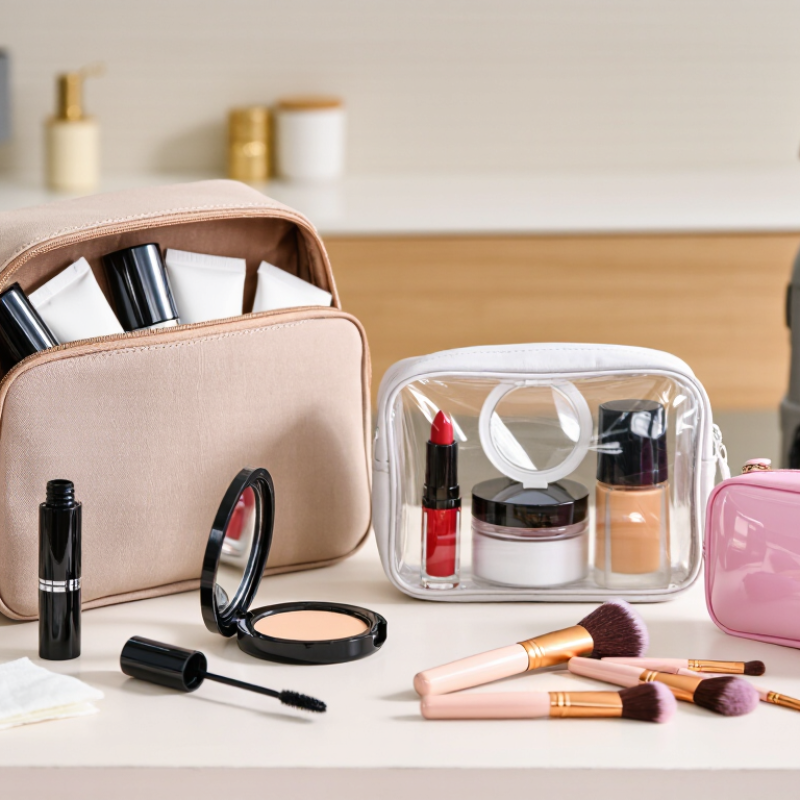
What Are Make Up Pouches and How Are They Used?

What Are Make Up Pouches and What Are They Designed For?

Makeup pouches are compact organizers designed to store and protect cosmetics during daily routines or travel. They keep items such as foundation, powder, lipstick, brushes, and small mirrors together. A well-designed pouch may include compartments, elastic loops, or a washable lining. These details reduce spills and help users find products quickly.

Their purpose is practical, not decorative alone. A structured pouch can protect delicate containers inside a handbag or suitcase. Separate sections can keep brushes away from creams and powders. This supports cleaner storage, although a pouch cannot replace regular brush washing. I often overpack mine, which makes every product harder to reach. Smaller pouches may encourage better choices.

Tips: Choose a size that matches your routine. Check the zipper before placing liquids inside. A water-resistant lining helps with small leaks, but it is not completely leakproof. Keep frequently used products near the opening. Remove expired or rarely used items every few weeks. Wipe the interior after a spill, then let it dry fully. A simple pouch may work better than one with too many compartments.

What Materials, Shapes, and Sizes Are Commonly Used?

Makeup pouches are compact cases for cosmetics, brushes, and personal-care items. Their materials affect durability, cleaning, and appearance. Nylon and polyester are common because they are lightweight, abrasion-resistant, and affordable. Cotton offers a softer, natural texture, but it absorbs spills easily. Recycled polyester can reduce reliance on virgin plastic, although its environmental value depends on recycling systems and product life.

Shape should match the user’s routine. A flat pouch suits handbags and holds slim items, such as lip products. A box-shaped pouch provides more space for bottles and brushes. Cylindrical designs can protect brushes from bending. Common sizes range from small 15-centimeter cases to larger 25-centimeter organizers. Waterproof coatings, sealed seams, and wipe-clean linings improve practical performance. The Grand View Research Cosmetic Packaging Market Report, 2024, valued the global market at approximately $32.74 billion in 2023. That growth supports more varied packaging formats, including flexible cosmetic cases. Still, market growth does not automatically prove better sustainability.

Tips: Choose a pouch with a washable lining and strong zipper teeth. Check the internal depth before storing tall bottles. A clear section helps locate small items quickly. Avoid selecting oversized cases for short trips; unused space adds bulk. In my experience, a slightly imperfect fit is often better than excessive capacity. Users should also question whether decorative coatings are necessary, since they may complicate recycling. Reports from the Flexible Packaging Association note that flexible formats use relatively little material, but recovery remains a practical challenge.

How Do Make Up Pouches Organize and Protect Cosmetics?

Make up pouches are compact organizers designed to store cosmetics in one portable place. They can hold foundation, brushes, lip products, skincare samples, and small tools. In daily use, a well-designed pouch reduces clutter inside a handbag or travel case. I have found that separate compartments make the biggest difference. They prevent brushes from pressing against creams and keep small items from disappearing.

Protection depends on practical details. A firm zipper helps prevent products from falling out. Water-resistant fabric can contain minor spills and protect cosmetics from damp bathroom surfaces. Clear sections also make products easier to identify without repeated searching. However, a pouch is not completely leakproof unless its seams and closures are carefully made. A loose cap can still create a mess. Keep liquids upright when possible.

Clean organization also supports better cosmetic care. Wipe the interior regularly with a slightly damp cloth, then let it dry fully. Remove expired or rarely used items instead of filling every corner. Overpacking can bend brushes, crack pressed powders, and strain the zipper. Small labels or removable dividers may help people with larger collections. Still, no pouch solves every storage problem. I sometimes carry too much, even when the pouch is already full. That habit deserves attention. A useful pouch should make routines simpler, not encourage unnecessary products.

How Are Make Up Pouches Used in Daily Routines and Travel?

A make up pouch is a small, soft case designed to organize cosmetics and personal care items. In daily routines, it keeps foundation, lip color, powder, brushes, and small mirrors together. I find this simple arrangement saves time on rushed mornings. It also prevents loose items from rolling around a handbag.

A useful pouch should have a wipeable lining and a secure zipper. Clear sections can make small products easier to find. I usually place powders flat and store brushes separately when possible. This reduces mess and protects delicate bristles. A pouch should not be overfilled. That mistake makes products difficult to reach and may damage their packaging. Cleaning the inside every week is practical, although I sometimes forget.

During travel, a make up pouch creates one dedicated space inside a suitcase or carry-on bag. I prefer a compact design for short trips and a larger pouch for longer stays. Before leaving, I check product sizes and remove items I will not use. Sealing liquids in small containers can help prevent leaks, but it is not completely foolproof. A separate pouch for skincare may also keep creams away from makeup. In hotel rooms, the pouch can sit beside the sink and make the routine feel familiar. Still, organization does not replace careful packing. A zipper can fail, and a powder can break. A small cleaning cloth is worth carrying.

What Are Make Up Pouches and How Are They Used? - How Are Make Up Pouches Used in Daily Routines and Travel?

Usage Area Typical Items Stored Recommended Pouch Features Daily Routine Benefit Travel Benefit
Basic Makeup Foundation, concealer, powder, blush, and mascara Medium size, wipe-clean lining, secure zipper Keeps frequently used products together and easy to reach Reduces unpacking time at the destination
Touch-Ups Lip balm, lipstick, compact powder, and small mirror Compact design, internal pocket, lightweight construction Supports quick touch-ups during work, school, or events Fits easily into a handbag, backpack, or personal item
Skin Care Cleanser, moisturizer, sunscreen, and serum bottles Water-resistant lining, leak-resistant organization, wider opening Separates skin-care products from makeup and personal items Helps contain minor spills inside luggage
Brush Storage Foundation brush, powder brush, blending brush, and applicators Separate compartments, brush guards, and a washable surface Protects tools from dust and keeps brush types organized Prevents brushes from being crushed or mixed with clothing
Overnight Trips Travel-size toiletries, makeup essentials, hair ties, and accessories Medium-to-large capacity, durable fabric, reinforced seams Creates one dedicated place for personal-care essentials Makes hotel-room organization faster and more convenient
Longer Travel Full makeup routine, multiple skin-care products, and tools Large capacity, multiple compartments, sturdy handle, protective padding Allows products to be grouped by routine or product type Makes contents easier to identify in a suitcase
Gym or Fitness Deodorant, sunscreen, moisturizer, lip products, and hair accessories Lightweight material, washable lining, compact profile Keeps post-workout personal-care products together Separates toiletries from clean clothing and electronics
Emergency Kit Bandages, pain relief medicine, tissues, hand sanitizer, and hair pins Clearly visible color, organized compartments, durable closure Provides quick access to small personal necessities Keeps useful backup items in a single portable kit
Practical note: Choose a pouch with a wipe-clean or washable lining, keep liquids tightly closed, and place leak-prone containers in a separate sealed bag when traveling.

What Features Should You Consider When Choosing One?

A makeup pouch is a compact organizer for cosmetics, brushes, skincare, and small accessories. It protects products inside handbags, suitcases, or bathroom drawers. IATA forecast 4.7 billion air passengers in 2024, making portability a practical design priority. Look for a lightweight pouch with a wide opening. You should see every product without emptying the entire case. A water-resistant lining helps contain spilled foundation or cream. However, “water-resistant” does not mean leakproof. That distinction is easy to miss.

Size should match your routine, not an imagined one. A slim pouch suits daily essentials, while a deeper case holds bottles and brush sets. Separate compartments reduce scratches and prevent brushes from touching creams. Strong zippers, reinforced seams, and washable fabric improve long-term use. The OECD’s Global Plastics Outlook reports that only 9% of plastic waste was recycled in 2019. Therefore, durable construction matters more than a vague recycled-material claim. Check whether the lining can be cleaned and whether the pouch can be repaired. I sometimes overpack mine, so even the best layout can fail.

Tips: Choose a pouch with a stable base and visible interior. Test the zipper before buying. Avoid excessive pockets if you carry only five items. For sustainability, prefer durable fabric, replaceable parts, and a useful size. A perfect pouch does not exist; your routine may change.

What Are Make-Up Pouches and How Are They Used?

Make-up pouches are compact organizers used to store cosmetics, skincare products, brushes, and personal-care essentials. Their ideal size depends on the number and type of items you carry.

How to read the chart: Small pouches are suitable for a few daily essentials, medium pouches offer space for a broader routine, and large pouches are better for extensive collections or travel. When choosing one, also consider compartments, waterproof lining, closure quality, portability, and ease of cleaning. The capacity figures are approximate because pouch shape and filling method affect usable space.

Go to Top