What is Insulated Vinyl Siding and How Does it Improve Energy Efficiency?
Insulated vinyl siding is gaining popularity in the home improvement industry. It not only enhances aesthetics but also significantly boosts energy efficiency. A report by the Department of Energy indicates that insulated siding can reduce energy costs by up to 20%. This is crucial for homeowners seeking sustainable solutions.
The unique structure of insulated vinyl siding provides an additional layer of foam, which improves thermal performance. According to the Vinyl Siding Institute, this innovation can help in minimizing air leaks. These improvements can lead to a more stable indoor temperature and lower heating and cooling bills.
However, some may question the investment in insulated vinyl siding compared to traditional options. While the upfront cost is higher, the long-term savings often outweigh this concern. Understanding these trade-offs is essential for making informed decisions about home renovations.
What is Insulated Vinyl Siding and Its Composition
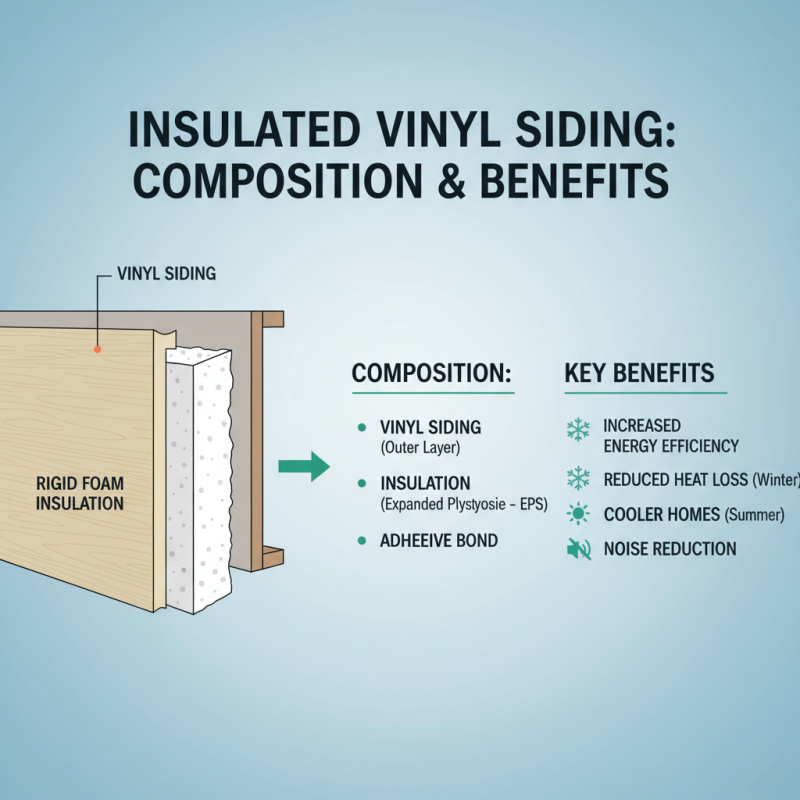
Insulated vinyl siding is a popular choice for homeowners. Its primary composition includes a layer of insulation attached to traditional vinyl siding. This combination enhances energy efficiency significantly. The insulation minimizes heat loss during winter and keeps homes cooler in summer.
The thickness of the insulation can vary. Some products offer R-values higher than standard vinyl. R-value measures thermal resistance. Higher values indicate better insulating properties. This is crucial for reducing energy bills. Many homeowners overlook the benefits of proper insulation. They focus solely on aesthetics. However, the right siding can provide both beauty and energy savings.
Installation can be challenging. It requires proper techniques to ensure a secure fit. Gaps or poor installation can lead to reduced performance. It's essential to consult with professionals for installation advice. Mistakes in the process could negate the energy-efficient advantages of insulated vinyl siding. Homeowners must weigh the benefits against potential issues.
Key Benefits of Insulated Vinyl Siding for Homeowners
Insulated vinyl siding is a popular choice among homeowners looking to enhance their homes' energy efficiency.
It consists of vinyl material with added foam insulation. This combination improves thermal performance, reducing heat loss in winter and keeping homes cooler in summer.
Homeowners often notice decreased energy bills after installation. This can mean significant savings over time.
Moreover, insulated vinyl siding can enhance a home's aesthetic appeal. Available in various colors and styles, it allows for personalized design while improving insulation.
It also requires minimal maintenance, which many find appealing. However, some homeowners may question its long-term durability compared to other materials.
Careful selection and installation are crucial to maximizing its benefits. It's important to consider these factors when making decisions about siding.
This way, homeowners can enjoy both improved comfort and energy savings.
Energy Efficiency Statistics of Insulated Vinyl Siding
Insulated vinyl siding is gaining traction in energy efficiency discussions. Studies show that homes with insulated vinyl siding can experience reduced energy costs. On average, these homes save about 20% on heating and cooling expenses. This is significant, especially in regions with extreme weather. The siding provides an extra layer of insulation, which keeps your home warm in winter and cool in summer.
In addition to savings, insulated vinyl siding contributes to a home's value. Homeowners often report a 75% return on investment after installation. This siding offers durability, reducing maintenance costs over time. However, it's essential to consider varying insulation quality. Not all insulated vinyl siding performs equally well. Some products may have thinner insulation, leading to less effective energy savings.
The environmental impact is also noteworthy. By enhancing energy efficiency, insulated vinyl siding can lead to lower carbon emissions. Homeowners can take pride in contributing to a greener planet. Yet, installation and material choices often lack standardization. Homeowners need to conduct thorough research to ensure they make informed decisions. This complex landscape can sometimes make the choice less clear and require careful evaluation.
What is Insulated Vinyl Siding and How Does it Improve Energy Efficiency?
| Feature |
Statistic |
Impact on Energy Efficiency |
| Insulation Thickness |
3-5 inches |
Increases R-value, reducing heat loss |
| Energy Cost Savings |
Up to 20% per year |
Lower heating and cooling bills |
| Carbon Footprint Reduction |
10-30% reduction |
Less energy consumption contributes to sustainability |
| Installation Time |
1-3 days |
Quick installation minimizes disruption |
| Average Lifespan |
30 years |
Long-lasting performance reduces need for replacements |
Comparison of Insulated Vinyl Siding vs. Traditional Siding
When comparing insulated vinyl siding to traditional siding, the difference in energy efficiency is significant. Insulated vinyl siding often features rigid foam insulation, improving thermal performance. According to the Department of Energy, homes with insulated siding can see energy savings of 20% or more compared to those with traditional siding. This is a compelling reason for homeowners considering energy efficiency upgrades.
Traditional siding materials typically lack the insulation properties found in insulated options. As a result, they can lead to higher heating and cooling expenses. A study conducted by the Vinyl Siding Institute showed that homes using insulated vinyl siding maintained a more stable indoor temperature during extremes of heat and cold. This stability translates into comfort and potentially lower utility bills.
However, insulated vinyl siding may come with a higher initial investment. Homeowners need to weigh the upfront costs against long-term savings. Installation can also be tricky, requiring skilled labor to ensure maximum benefits. It can be difficult to determine if the insulated siding is right for every situation without careful evaluation. These factors warrant reflection before making a decision.
Installation Practices for Maximizing Insulated Vinyl Siding Benefits
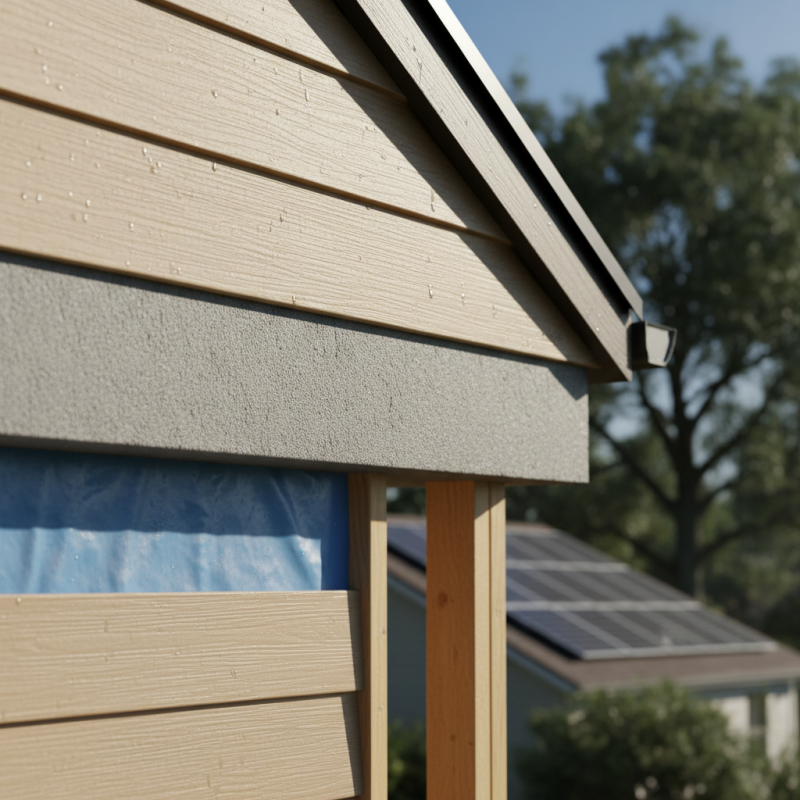
Insulated vinyl siding can significantly boost a home's energy efficiency. However, proper installation is crucial to realize its full potential. First, the wall surface should be clean and dry. Any debris can hinder adhesion and reduce insulation effectiveness. Installing a moisture barrier can also help prevent mold and moisture damage.
Another essential practice is to use proper insulation behind the siding. This allows for thermal resistance that keeps the home warmer in winter and cooler in summer. Gaps in insulation can lead to energy loss, negating the benefits of the siding itself. It’s also beneficial to ensure that all seams are tightly sealed. This reduces air leaks, which can lead to increased energy costs.
An overlooked detail is the siding's alignment. If panels are not installed evenly, they may warp or allow air infiltration. Adjusting for proper spacing is vital. Additionally, it's worth considering the local climate when choosing insulation thickness. Thickness that works in warmer regions might not suffice in colder areas. Reflection on these installation practices can lead to improved performance and energy savings.