10 Expert Tips for Choosing Awning Windows Efficiently?
Awning windows have gained popularity for their unique design and functionality. According to a 2022 report by the American Architectural Manufacturers Association, these windows can improve ventilation while offering protection from rain. They are especially favored in regions with unpredictable weather conditions.
Choosing the right awning windows can be challenging. Many homebuyers focus on aesthetics, overlooking essential factors like energy efficiency and durability. A study from the U.S. Department of Energy highlights that correctly chosen windows can reduce energy costs by up to 25%. This statistic emphasizes the need for careful selection, considering materials and styles.
It's worth noting that homeowners often underestimate the importance of professional installation. Poorly installed awning windows may lead to issues, such as leaks and drafts. A detailed guide can help navigate the choices effectively, leading to a more informed decision.

Understanding the Basics of Awning Windows and Their Benefits
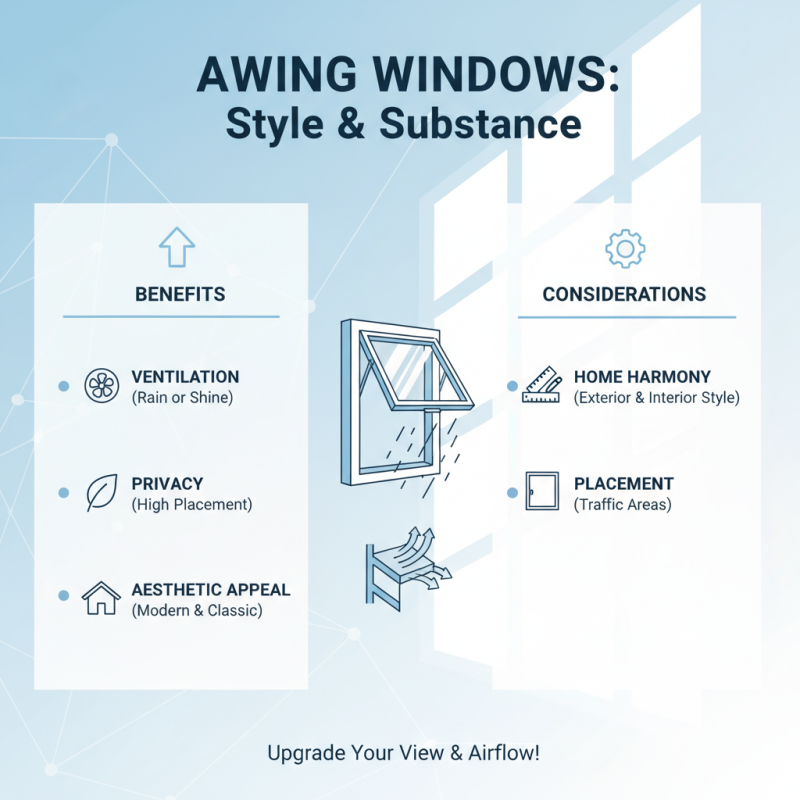
Aawning windows are a unique type of window. They are hinged at the top and open outward. This design allows for ventilation, even in light rain. Homeowners can enjoy fresh air without worrying about getting wet. The angle of the awning also blocks direct sunlight, providing shade. This can help keep homes cooler during hot days.
One major benefit of awning windows is their versatility. They fit well in various architectural styles. However, choosing the right size and placement is crucial. If too small, they might not provide adequate light. If too large, they may disrupt the overall balance of the space. Additionally, consider the landscaping around the windows. Tall plants or structures can obstruct views or air flow.
Despite their advantages, awning windows may not be ideal for every situation. Some may find them harder to clean, especially if they are high up. Improper installation can lead to leaks, causing damage over time. It’s essential to weigh these factors carefully before making a final decision. Understanding both the pros and cons can lead to better choices.
Key Factors to Consider When Selecting Awning Windows
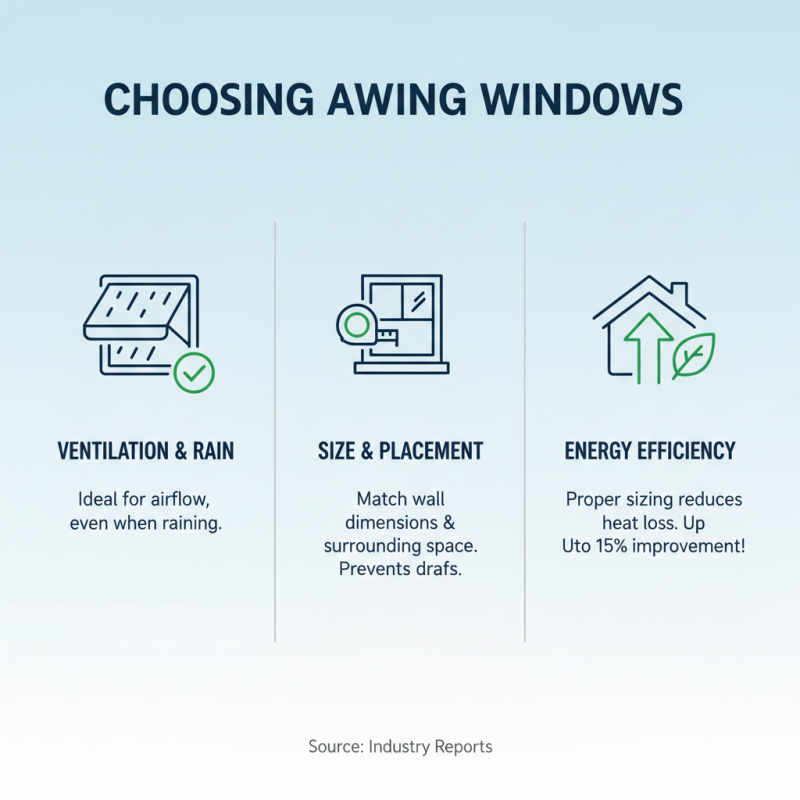
Choosing the right awning windows involves key factors that impact functionality and aesthetics. These windows are ideal for ventilation, especially during rain. However, selecting the right size and style matters. Consider the dimensions of the wall and the surrounding space. According to industry reports, well-sized windows can enhance energy efficiency by up to 15%.
Material is another critical element. Vinyl, wood, and aluminum each bring unique benefits. Vinyl is low maintenance while wood offers a traditional look. Aluminum is durable but can be less energy-efficient. The right choice often depends on climate and surrounding architecture. Data shows that approximately 30% of homeowners regret not prioritizing material quality, leading to higher costs down the line.
Installation quality can't be overlooked. Improperly fitted windows can lead to leaks and drafts. Proper sealing is essential to maximize energy efficiency. A staggering 25% of window failures relate to poor installation. Consulting professionals is advisable to avoid these pitfalls. Always factor in future maintenance and potential repairs when making your decision.
Evaluating Energy Efficiency Ratings for Awning Windows
When considering awning windows, energy efficiency is crucial. Energy-efficient windows can significantly reduce heating and cooling costs. According to the U.S. Department of Energy, windows account for up to 30% of residential energy use. Thus, choosing the right energy efficiency ratings is essential. Look for windows labeled with the ENERGY STAR® mark. This label indicates that the windows meet strict energy performance guidelines.
The National Fenestration Rating Council (NFRC) provides valuable data. Their ratings include U-factor, Solar Heat Gain Coefficient (SHGC), and Visible Transmittance (VT). U-factor measures insulation effectiveness. A lower U-factor indicates better performance. SHGC shows how much solar heat enters through the window. A lower SHGC means less heat gain. For optimum efficiency, a balance is essential. You might want to focus on your local climate when making selections.
Remember, not all windows perform equally. Some may look appealing but lack proper insulation. It’s wise to investigate multiple products before making a decision. Many homeowners overlook the importance of installation, which also affects energy efficiency. Poor installation can lead to drafts and energy loss. Thus, evaluating all options thoroughly becomes imperative for long-term savings.
Energy Efficiency Ratings for Awning Windows
Material Choices: What to Look for in Awning Window Construction
When selecting awning windows, the materials used in construction play a crucial role. Different materials offer varying levels of durability, insulation, and aesthetics.
Vinyl is a popular choice due to its low maintenance and energy efficiency. It resists fading and can handle moisture well.
Consider wood if you’re looking for a classic and elegant look. It offers excellent insulation but requires regular maintenance.
Over time, wood can warp or rot if not cared for properly. Fiberglass is another option that combines aesthetics with durability. It is resistant to fading and can mimic the look of wood without the upkeep.
Reflect on your climate, as certain materials perform better in different environments. Each material has its pros and cons, so weigh your options carefully to make the best choice for your needs.