10 Essential Tips for Choosing Glass Patio Doors for Your Home?
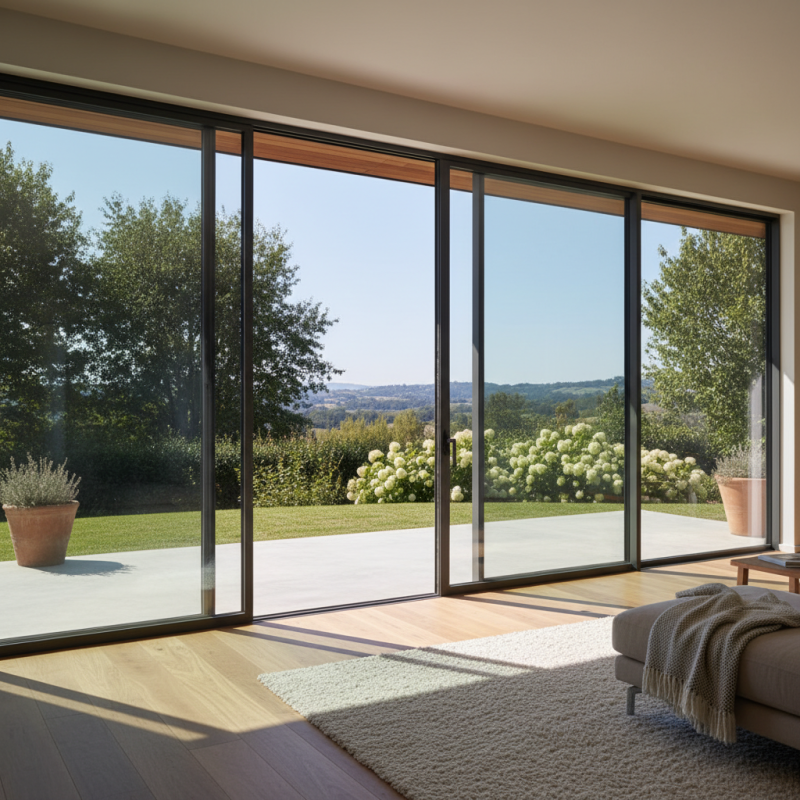
Choosing glass patio doors can transform your home’s aesthetic. They provide elegance and invite natural light. But, selecting the right ones isn’t always easy. Various factors must align with your personal style and functional needs.
Think about the door's material and insulation properties. Will they keep your home warm in winter? Also, consider security features. It’s essential to have sturdy locks and a solid frame. Not all glass is created equal; some offer better durability and energy efficiency than others.
Style matters, too. You can find contemporary or classic designs. The size and configuration should match your space. Reflect on your lifestyle and where the doors will be placed. It's important to find a balance between beauty and practicality. Remember, the best choice won’t just look good but work well over time.
Factors to Consider When Selecting Glass Patio Doors
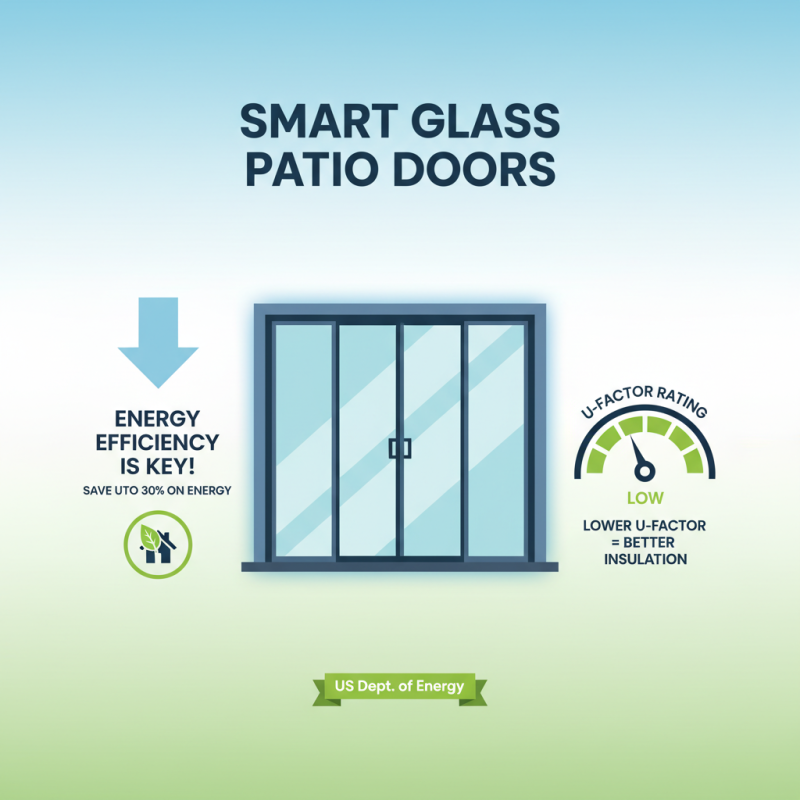
When selecting glass patio doors, several factors require careful consideration. Energy efficiency is crucial. According to the U.S. Department of Energy, homes can lose up to 30% of heating and cooling energy through inefficient doors. Look for doors with low U-factor ratings. This rating indicates how well the door insulates against heat transfer.
Tip one: Choose tempered glass. This type of glass is stronger and safer. In the event of breakage, it shatters into small, less harmful pieces. Moreover, consider the door's frame material. Vinyl frames often provide better insulation than aluminum.
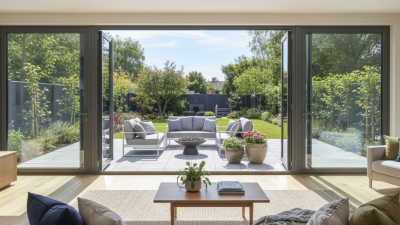
Another critical aspect is style. The door should complement your home’s design. Sliding doors can be a space-saver. Bi-fold doors may offer an expansive view. Evaluate the hardware as well; high-quality locks can enhance security.
Tip two: Estimate long-term costs. While cheaper options may seem appealing, they may require frequent replacements or repairs. Assess whether you want standard sizes or custom designs. Budget constraints often lead to compromises, but investing wisely now can prevent future expenses.
Finally, remember to prioritize ventilation. Some doors come with operable panels. They can improve airflow, especially during warmer months. Factors like these can significantly impact your home’s comfort. Reflecting on these considerations will guide you toward the best glass patio doors for your space.
Types of Glass for Patio Doors: Pros and Cons
When choosing glass for patio doors, it’s essential to understand your options. A common choice is
tempered glass. It’s known for its strength and safety. If it breaks, it shatters
into small pieces, reducing injury risk. However, it can be more expensive than standard glass. Another option is
laminated glass. It has a layer of vinyl between
two sheets of glass. This feature makes it tough against impacts and offers sound insulation.
On the downside, laminated glass can distort views due to
the interlayer. Low-E glass, designed to reflect UV rays,
is ideal for energy efficiency. It keeps your home cooler in summer and warmer in winter. But, it may have a slight
tint, altering how sunlight enters your space. Lastly, dual-pane glass provides
better insulation than single-pane varieties. It's perfect for climates with extreme temperatures. However, if the
seal fails, moisture can develop between the panes, leading to visibility issues.
Understanding Energy Efficiency Ratings for Glass Doors
When selecting glass patio doors, energy efficiency is crucial. Understanding the energy efficiency ratings can be daunting. Look for the ENERGY STAR label. It indicates doors meet high standards for energy savings. Low-E glass is also a key feature. It reflects heat while allowing natural light in. This can help maintain comfortable indoor temperatures.
Consider the U-factor. This rating measures how well a door insulates. A lower U-factor means better insulation. Take note of the Solar Heat Gain Coefficient (SHGC). It measures how much solar heat enters your home. A lower SHGC is ideal for hot climates. For cooler areas, a higher SHGC can be beneficial.
Don’t forget about the frame material. Wood frames are beautiful but need maintenance. Vinyl or fiberglass is often easier to care for. Pay attention to the door seal quality too. An imperfect seal can lead to drafts. Effective seals prevent air leaks and improve comfort. Think about these details; they make a big difference in your home's energy efficiency.
Styles and Designs: Matching Patio Doors to Your Home Aesthetic
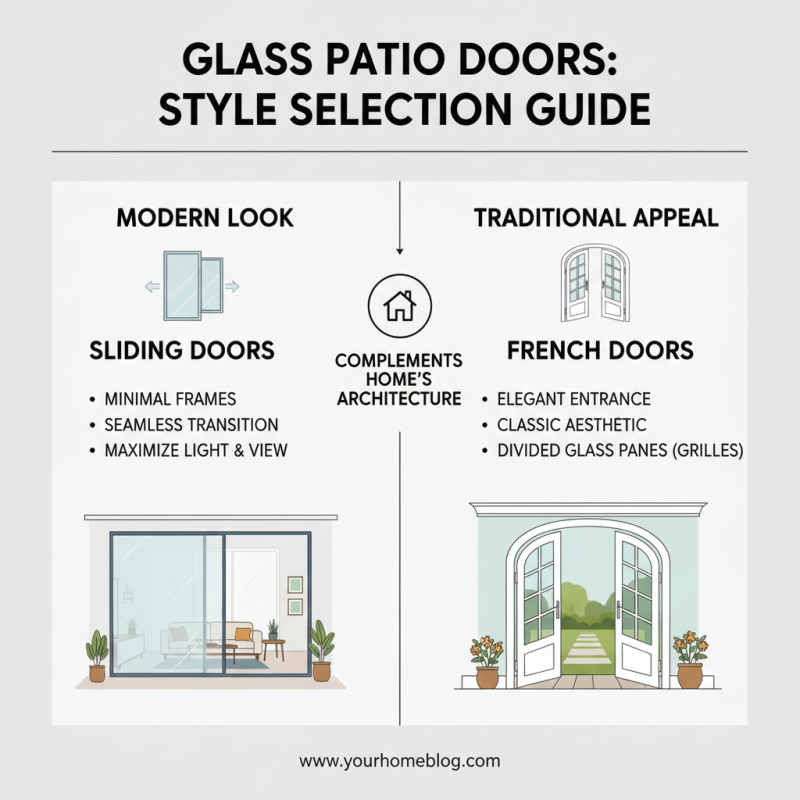
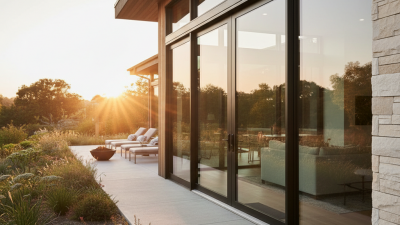
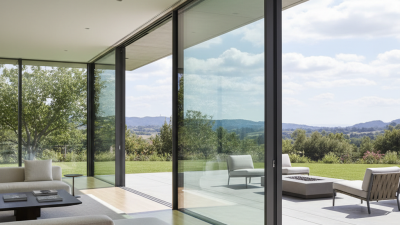
When selecting glass patio doors, consider how they complement your home’s aesthetic. Various styles can enhance different architectural features. For a modern look, sliding doors with minimal frames are ideal. They provide seamless transitions between indoor and outdoor spaces. Alternatively, choose French doors for a more traditional appeal, adding elegance to your entrance.
Colors and finishes are also crucial. You might want to match door hues with existing window frames. Shades like white, gray, or dark wood can create harmony. Textured glass can offer privacy while still allowing light. However, the challenge lies in balancing aesthetics with functionality. Is the glass energy-efficient? Will it withstand weather conditions? These questions need addressing before making a choice.
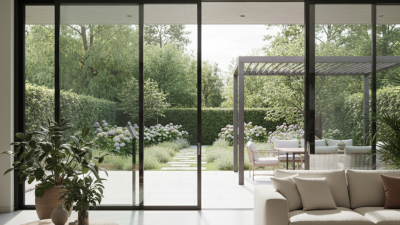
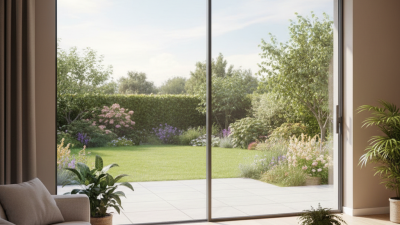
Consider the landscaping around your patio. If you have vibrant gardens, opt for doors that frame the view. Large panes can showcase natural beauty. However, striking a balance between practicality and style can be tough. Reflect on how each option feels in person. Assess if the doors align with your vision or if they miss the mark. Thoughtful evaluation can lead to a gaffe-free decision.
Maintenance Tips for Longevity of Glass Patio Doors
Maintaining glass patio doors is crucial for their longevity. Regular cleaning is essential. Dirty glass can lessen visibility and beauty. Use a microfiber cloth and a gentle glass cleaner. This prevents scratches and cloudiness. Studies show that neglecting maintenance can reduce door lifespan by up to 25%. Regular inspections are also important. Check for seals and hardware. Damaged seals can lead to condensation between glass panes, compromising insulation.
Humidity and temperature changes can affect performance. Avoid placing heavy objects on or near the doors. Excess weight can cause misalignment over time. Consider using weatherstripping to improve insulation. This simple addition reduces energy bills by up to 15% according to the Department of Energy. However, be mindful of wear and tear. Replace worn weatherstripping to maintain efficiency.
In regions with harsh weather, more attention is needed. Wind, rain, and snow can accelerate deterioration. Invest in protective coatings for glass. These coatings can bolster resistance against UV rays and scratches. It’s vital to remember that even the best-maintained doors can develop issues. Periodic professional evaluations are advisable. They can identify hidden problems that you might miss.