10 Essential Tips for Choosing the Perfect Exterior Sliding Doors
When it comes to enhancing the aesthetic appeal and functionality of a home, choosing the right exterior sliding doors can make a significant impact. According to a report by the American Institute of Architects, more than 70% of homeowners prioritize the value of natural light and outdoor connectivity when selecting architectural features. Exterior sliding doors not only provide a seamless transition between indoor and outdoor spaces, but they also contribute to energy efficiency with advanced insulation technologies that mitigate heat loss during colder months.
Moreover, a survey conducted by the Home Improvement Research Institute indicates that nearly 60% of homeowners are likely to invest in significant upgrades to their sliding door systems to improve safety, accessibility, and overall style. With countless options available in styles, materials, and features, making an informed choice is crucial. This guide aims to provide essential tips to navigate the decision-making process effectively, ensuring that you select the perfect exterior sliding doors that align with your home's design and lifestyle needs.
Understanding the Importance of Exterior Sliding Doors in Home Design
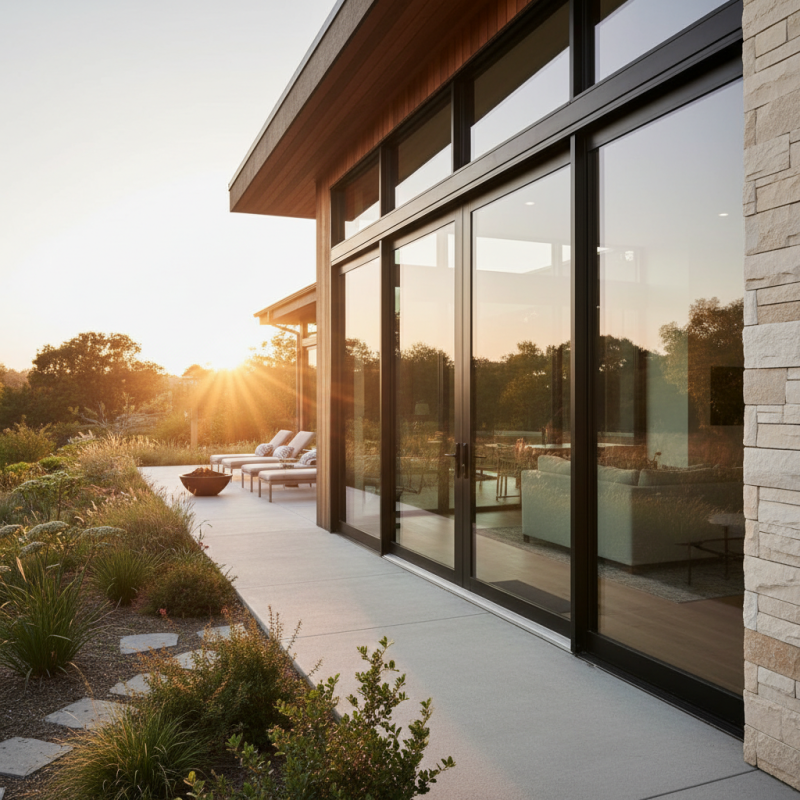
Exterior sliding doors play a crucial role in home design, seamlessly merging indoor and outdoor spaces while enhancing the aesthetic appeal of a property. According to the American Institute of Architects, incorporating large sliding doors not only increases natural light but also improves overall energy efficiency in homes, with up to 40% of heat loss attributed to poorly insulated traditional doors. This trend underscores the importance of selecting the right exterior sliding doors that align with both functionality and style.
When choosing the perfect exterior sliding doors, consider the materials carefully. High-quality materials such as fiberglass or aluminum offer durability and improved insulation, making them a smart choice for energy conservation. Additionally, opt for doors with triple-pane glass to further enhance thermal efficiency. One essential tip is to evaluate the door size in relation to your space; oversized doors can create a striking feature but may require an appropriate structural support to ensure safety and longevity.
Furthermore, consider the door's security features. According to a report by the National Association of Realtors, homes with robust security measures can deter 60% of potential break-ins. Investing in multi-point locking systems can provide peace of mind while also complementing the doors' design. Always prioritize functionality, as well-constructed sliding doors should offer easy operation and minimal maintenance to keep your home both beautiful and secure.
10 Essential Tips for Choosing the Perfect Exterior Sliding Doors
Key Factors to Consider When Choosing Sliding Door Materials
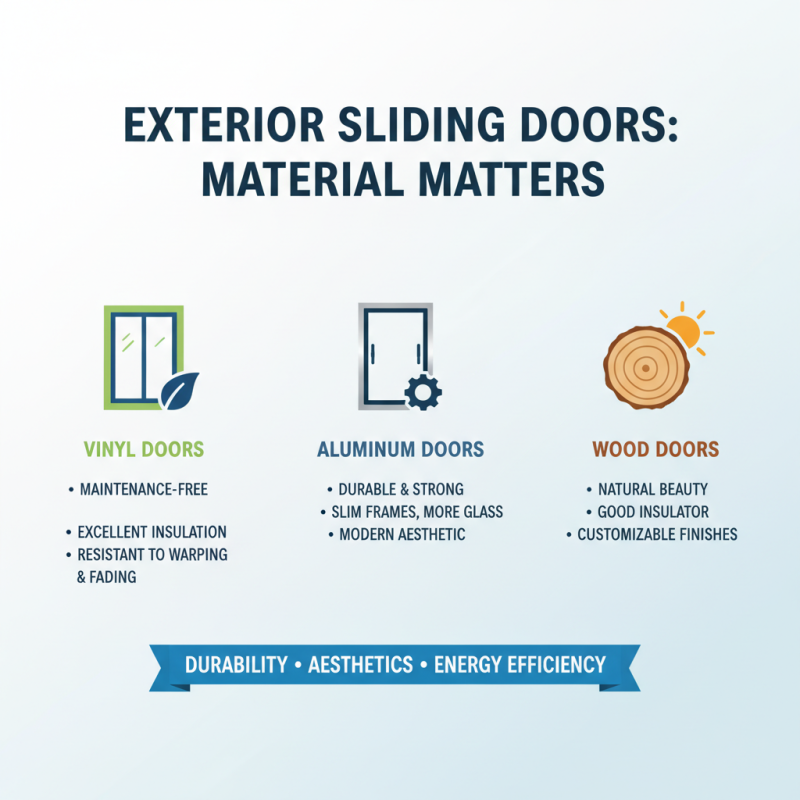
When selecting exterior sliding doors, the choice of materials is paramount to ensure durability, aesthetics, and energy efficiency. One of the primary materials used for sliding doors is vinyl, known for its maintenance-free nature and excellent insulation properties. Vinyl doors are resistant to warping and fading, making them ideal for various climates. Additionally, they can easily blend with different architectural styles, adding visual appeal to any home.
Another popular option is fiberglass, which offers a remarkable combination of strength and energy efficiency. Fiberglass sliding doors can mimic the look of natural wood, providing an elegant finish without the high maintenance typically associated with wooden doors. Additionally, they offer superior thermal performance, helping to keep your home comfortable year-round. On the other hand, if a modern industrial look is preferred, aluminum sliding doors are an excellent choice. They are lightweight, strong, and can accommodate larger panel sizes, allowing for expansive views and more natural light. Ultimately, the right material will depend on your specific needs, style preferences, and budget considerations.
Evaluating Style Options: Modern vs. Traditional Sliding Doors
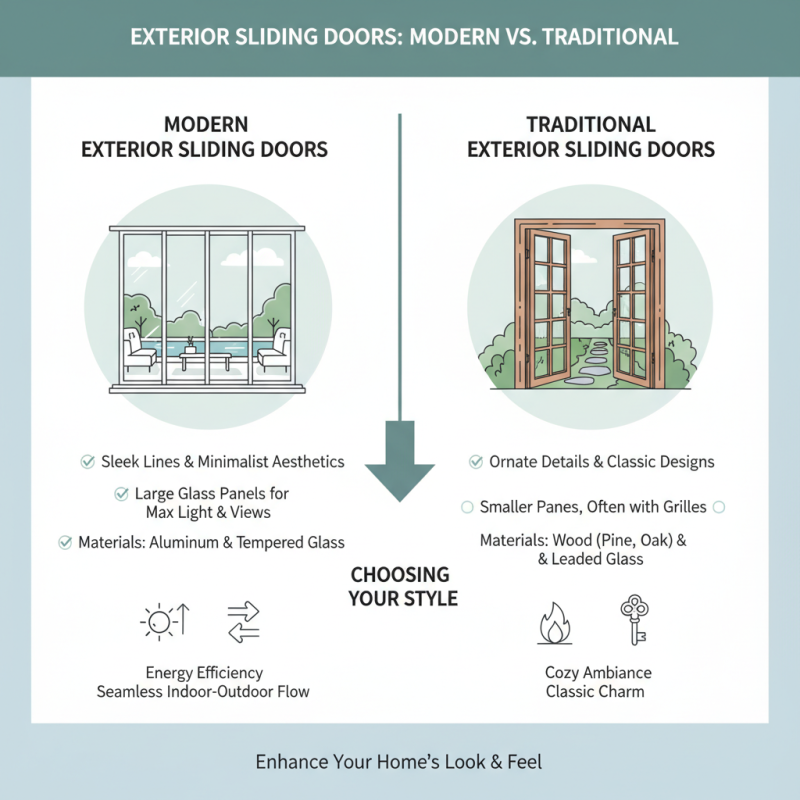
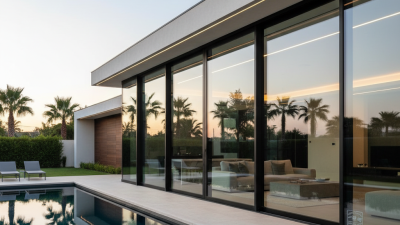
When choosing exterior sliding doors, evaluating style options is crucial, particularly when deciding between modern and traditional designs. Modern sliding doors typically feature sleek lines, minimalist aesthetics, and large glass panels that maximize natural light and integrate indoor and outdoor spaces. These doors often utilize materials such as aluminum and tempered glass, providing a contemporary look that complements modern architecture. The emphasis on functionality and energy efficiency makes them a popular choice for homeowners looking to enhance their living spaces with a fresh, open feel.
On the other hand, traditional sliding doors often showcase more intricate designs, including decorative frames and wood finishes that evoke a sense of craftsmanship and timeless elegance. These doors can be customized to complement classic architectural styles, offering options like divided lites and rich wood stains. Traditional sliding doors not only serve as a practical entryway but also add warmth and character to a home, making them a suitable choice for those who appreciate a more historical or rustic aesthetic. Ultimately, the decision between modern and traditional sliding doors should reflect personal style preferences and how they harmonize with the overall design of the home.
Assessing Energy Efficiency Ratings for Sliding Doors
When selecting exterior sliding doors, energy efficiency should be a top priority. Look for doors with high energy efficiency ratings, typically indicated by the Energy Star label or other certification marks. These ratings inform you about how well the doors can insulate your home, preventing heat loss in winter and keeping cool air inside during summer. The materials used also play a significant role; for instance, vinyl and fiberglass tend to offer better thermal performance compared to traditional wood.
Incorporating a few essential tips can make the decision easier. First, consider the U-factor, which measures the rate of heat transfer; lower values indicate better insulation. Second, evaluate the Solar Heat Gain Coefficient (SHGC), which tells you how much solar radiation passes through the doors. A lower SHGC is desirable in hotter climates, while a higher one may be beneficial in cooler areas. Finally, don’t forget to check the door’s air leakage rating, as a tighter seal helps maintain energy efficiency by reducing drafts. By focusing on these ratings, you can choose sliding doors that will enhance your home’s comfort and energy efficiency.
Ensuring Security Features in Your New Sliding Doors
When selecting exterior sliding doors, ensuring robust security features is paramount. Many homeowners overlook the importance of security, focusing primarily on aesthetics and functionality. However, modern sliding doors should incorporate advanced security measures to deter potential intruders. Look for options that include multi-point locking systems, reinforced frames, and impact-resistant glass, as these features significantly enhance the security of your home.
Another innovative solution to consider is the installation of security devices specifically designed for sliding doors and windows. One popular option is the slider security bar, which provides an additional layer of protection by preventing the door from being opened from the outside. Furthermore, integrating smart technology into your sliding door system can also bolster security; devices that offer real-time monitoring and alerts can help homeowners stay informed about any suspicious activities. As technology advances, it is essential to choose sliding doors that not only enhance the beauty of your home but also ensure the safety of your family.
| Tip Number |
Tip |
Key Security Features |
Material Options |
| 1 |
Assess Your Security Needs |
Multi-point locking systems, reinforced frames |
Vinyl, aluminum |
| 2 |
Choose the Right Glass |
Tempered glass, laminated glass |
Glass, fiberglass |
| 3 |
Evaluate Frame Strength |
Reinforced steel, extruded aluminum |
Wood, composite |
| 4 |
Select Secure Hardware |
Deadbolts, anti-lift blocks |
Metal, reinforced plastic |
| 5 |
Consider Installation Type |
Track and roller security |
Aluminum, vinyl |
| 6 |
Opt for Smart Technology |
Smart locks, surveillance integration |
Various |
| 7 |
Check Local Building Codes |
Compliance with local regulations |
N/A |
| 8 |
Consider Weather Resistance |
Water-resistant frames, sealing |
Vinyl, fiberglass |
| 9 |
Assess Energy Efficiency |
Low-E glass, thermal breaks |
Wood, vinyl |
| 10 |
Seek Professional Guidance |
Expert installation and advice |
N/A |