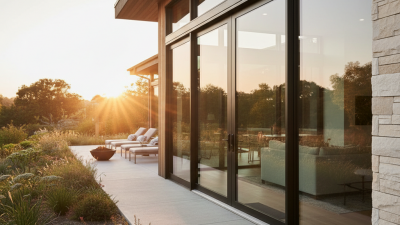
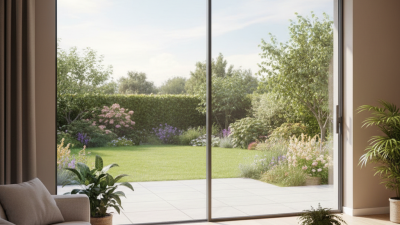
How to Choose the Perfect Sliding Door for Your Home?
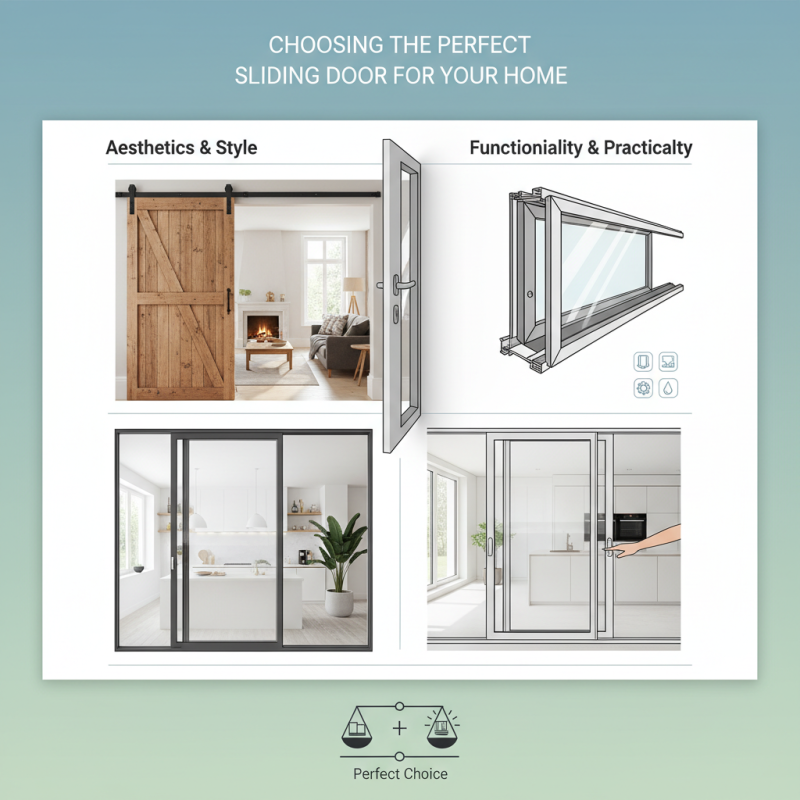
Choosing the perfect sliding door for your home can feel overwhelming. According to sliding door expert, Mark Anderson, “A sliding door should seamlessly blend functionality with style.” His words highlight a crucial aspect of this choice.
When selecting a sliding door, consider the space it will enhance. A well-chosen door can expand your room visually and improve natural light. Explore different materials and styles, as these impact both aesthetics and function. Perhaps a wooden sliding door offers warmth, while aluminum conveys a modern vibe.
However, not all sliding doors meet expectations. Often, homeowners choose based on appearance alone. They might ignore durability or maintenance requirements. Reflecting on these aspects is vital, as a poor choice can hinder functionality. Finding the perfect sliding door requires a balance of beauty and practicality.
Understanding Different Types of Sliding Doors for Your Home
When choosing a sliding door, understanding the types available is crucial. Common options include
patio doors, pocket doors, and
bi-fold doors. Each type has distinct features that can enhance your home’s functionality and aesthetic.
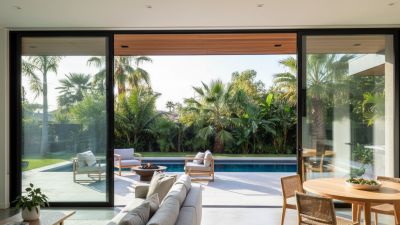
For example, patio doors are typically wide, allowing light to flow in, while
pocket doors slide into a wall, saving space.
According to the 2021 Home Improvement Report, 64% of homeowners prioritize energy efficiency in their door options.
Energy-efficient models can reduce heating costs significantly.
However, choosing a model solely based on energy efficiency can lead to compromises in style or
durability. Homeowners sometimes overlook the importance of material selection,
leading to potential issues later.
Consider the information from the National Association of Home Builders. Their studies indicate that
30% of sliding door installations face usability issues due to incorrect sizing.
It’s essential to measure accurately and think about how the door will function in your daily life.
A door that looks good but is difficult to operate can be frustrating.
Reflect on what truly matters for your space, and make an informed choice accordingly.
Key Factors to Consider When Choosing Sliding Doors
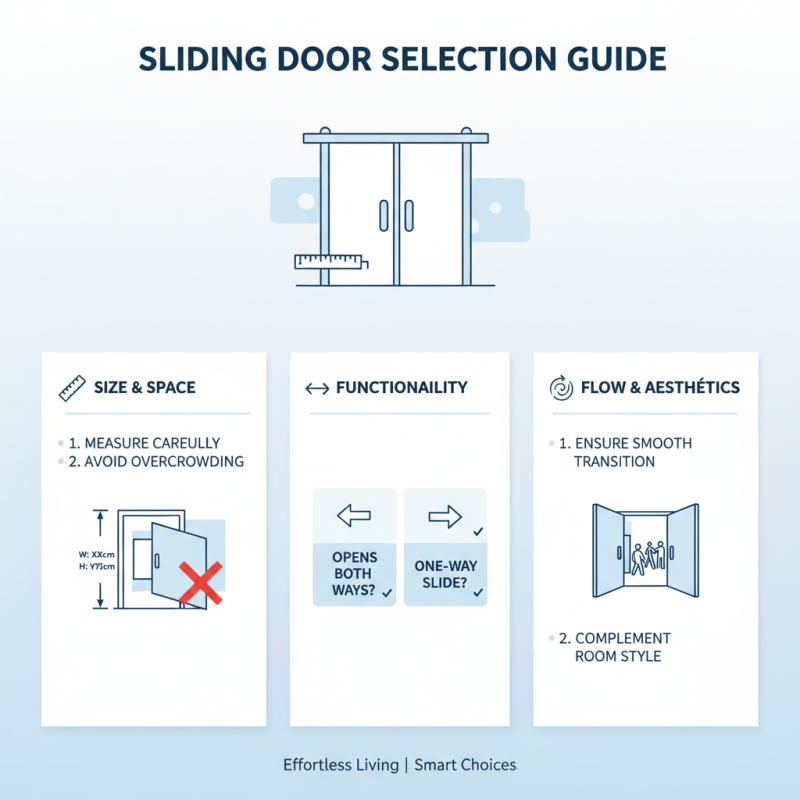
When choosing sliding doors for your home, consider the size and space available. Measure the opening carefully. A door that’s too large can overcrowd a room. A door that’s too small might disrupt the flow. Think about functionality too. Do you need a door that opens both ways? Or just one?
The material of the door is crucial. Options include wood, glass, or aluminum. Each material offers different aesthetics and durability. For instance, glass sliding doors provide a modern look but may require more maintenance. If you want privacy, choose frosted or tinted options.
Lastly, energy efficiency should not be overlooked. Look for doors with insulation properties. The right choice can lower your energy bills. Keep in mind that your initial choice may not always feel right. Reflect on how the door fits your lifestyle over time. It might be worth revisiting your decisions as your needs evolve.
Materials and Their Impact on Sliding Door Durability
When selecting a sliding door, material choice significantly affects durability. Aluminum, for example, is lightweight and resistant to corrosion. According to a recent industry report, aluminum doors last up to 30 years with minimal maintenance. They are ideal for modern homes seeking sleek aesthetics.
On the other hand, wooden sliding doors offer warmth and charm. However, they require more upkeep. If not properly sealed, wood can warp or swell. A study revealed that improperly maintained wooden doors could lose structural integrity in just a few years. Homeowners must commit to regular inspections and maintenance, which can be time-consuming.
Vinyl doors strike a balance between the two. They are affordable and require less maintenance. Analyzing data from the American Architectural Manufacturers Association, vinyl doors can last 20 years or more. Still, some vinyl options may fade in color over time, demanding a careful selection process. Each material presents trade-offs that deserve reflection, depending on lifestyle and budget considerations.
Durability Comparison of Different Sliding Door Materials
Aesthetic Considerations: Matching Sliding Doors with Home Decor
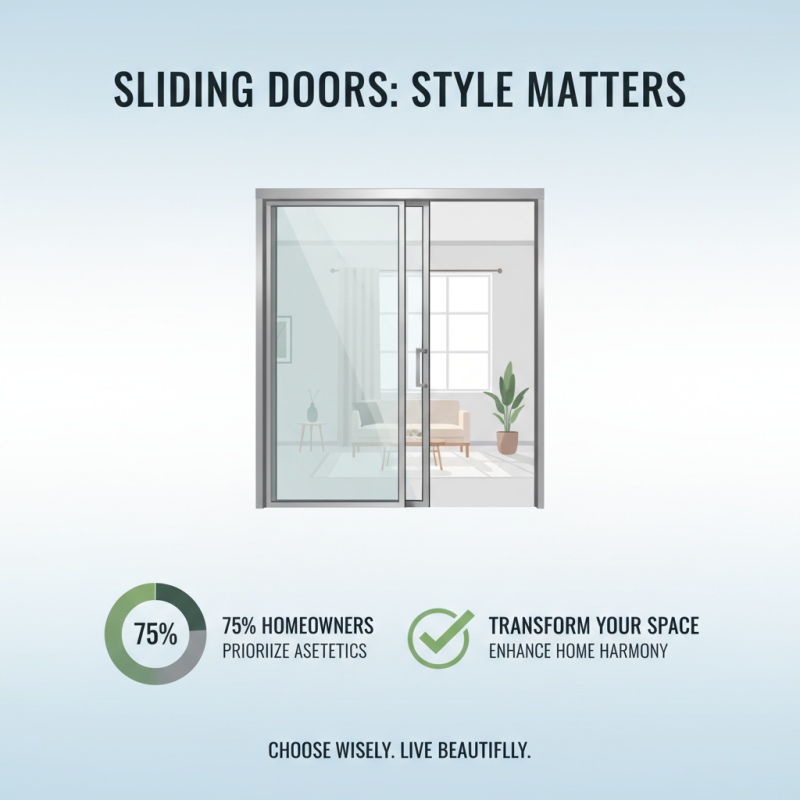
Choosing the right sliding door can transform your space. The aesthetic appeal is vital. A door that doesn’t match the existing decor can disrupt the harmony of your home. Recent surveys indicate that 75% of homeowners prioritize aesthetics when selecting sliding doors. This statistic highlights the importance of style in your decision-making process.
Consider your interior design. If your home features a modern theme, sleek, frameless doors work well. They create a seamless transition between rooms. In contrast, traditional homes benefit from classic styles, often with more detailed frames. A report from the National Association of Home Builders shows that nearly 65% of buyers look for features that reflect their personal style in a home. Choosing a door wisely can greatly enhance the ambiance.
Color is another crucial element. Neutral tones offer versatility, but bold colors can make a striking statement. Remember, the door should complement, not clash, with your walls and furnishings. A mismatch can feel jarring and uninviting. According to a recent interior design study, 80% of respondents felt a cohesive color palette is essential for creating a welcoming environment. Aim to reflect your personality while maintaining balance in your home’s overall look.
Installation Tips and Maintenance for Sliding Doors
When considering sliding door installation, proper planning is essential. According to the National Association of Home Builders, about 31% of new homeowners choose sliding doors for their functionality and aesthetic appeal. However, installing them can be tricky. It's crucial to ensure the frame is level and the door runs smoothly. Misalignment can lead to operational issues later.
Maintenance is equally important. Regular cleaning of the tracks will prevent debris buildup that can cause complications. The American Architectural Manufacturers Association reports that neglecting this can reduce the lifespan of the door by up to 20%. Inspecting the door seals annually helps maintain energy efficiency. Often, homeowners overlook these aspects, leading to higher energy costs and frequent repairs.
Despite the appealing design of sliding doors, they require thoughtful attention. Many people underestimate how climate impacts installation. Humidity can cause materials to expand or contract, leading to doors becoming misaligned over time. Reflecting on which type of material — wood, aluminum, or vinyl — is best suited for your environment can significantly impact long-term satisfaction.
How to Choose the Perfect Sliding Door for Your Home? - Installation Tips and Maintenance for Sliding Doors
| Feature |
Importance |
Tips |
| Material |
High |
Choose durable materials like vinyl, wood, or aluminum based on aesthetics and climate. |
| Style |
Medium |
Select a style that complements your home’s architecture, like contemporary or traditional. |
| Size and Fit |
High |
Measure the opening accurately and consider the door’s swing and operation space. |
| Energy Efficiency |
High |
Look for energy-efficient options, like insulated glass and weather stripping, to reduce utility bills. |
| Maintenance |
Medium |
Regularly clean tracks and check for wear on seals to ensure smooth operation. |
| Cost |
Medium |
Set a budget that includes installation and potential maintenance costs for long-term planning. |