How to Choose the Best Square Cooler Bag in 2026?
Choosing a Square Cooler Bag in 2026 is less about picking the biggest model and more about matching its shape to a real day out. A square base can sit neatly in a car footwell, picnic basket, or crowded lunch area. But dimensions on a product page do not tell the whole story. A bulky lid, thick insulation, or awkward handles can steal useful space. Fit comes first.
Demand for portable outdoor gear has a clear backdrop. The Outdoor Industry Association’s 2024 Outdoor Participation Trends Report says 175.8 million Americans took part in outdoor recreation in 2023, equal to 57.3% of the population aged six and older. That figure describes participation, not cooler-bag sales, so it should not be treated as market proof. Still, it helps explain why practical food storage matters on day trips, campsites, and sporting sidelines. The USDA advises keeping perishable food at or below 40°F. A bag’s insulation helps, but ice packs, packing habits, and time in the heat matter too. Small details count.
This guide compares capacity, insulation, materials, leak resistance, carrying comfort, and cleaning. It also looks at how to assess product claims instead of trusting a glossy temperature promise. No cooler bag works equally well for every trip. A compact lunch bag may suit one person, while a family outing needs more room and stronger support. The best choice is the one that fits your routine—and stays useful after the first few outings.
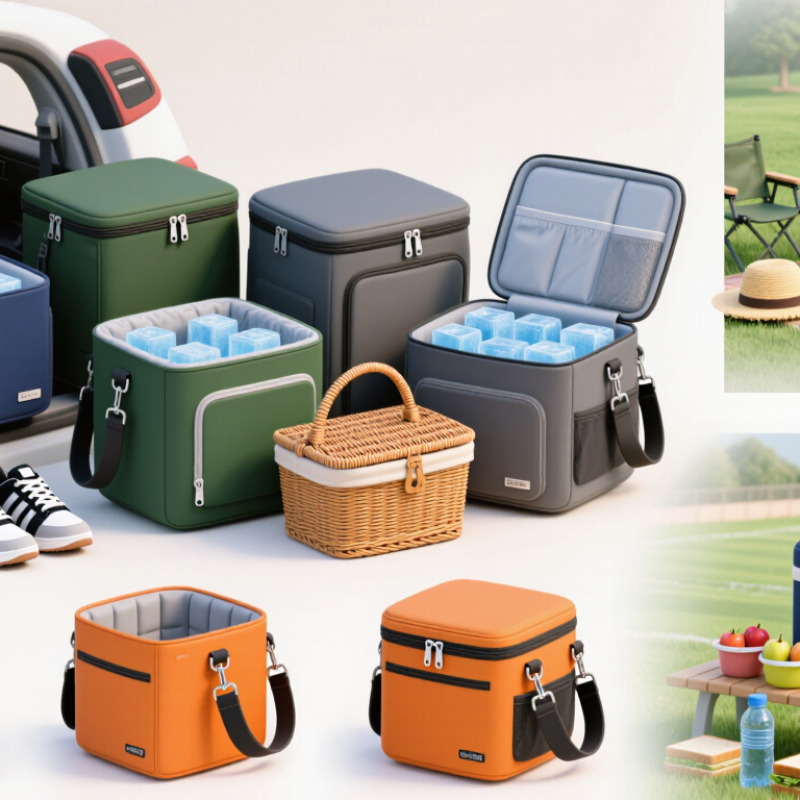
What Defines a Square Cooler Bag and How Is It Used?
A square cooler bag is a soft-sided insulated carrier with a roughly square base and straight walls. Its shape usually gives food containers a stable place to sit, instead of letting them slide into a narrow corner. Insulation slows heat transfer, while a zipper helps limit warm air entering when the bag is closed. That shape matters. It can fit neatly on a car seat, picnic table, or office shelf.
People use square cooler bags for packed lunches, drinks, snacks, and small grocery trips. Place cold items near a frozen ice pack, and keep the bag zipped between servings. A flat-bottomed design can make stacking containers easier, but check the inside dimensions before buying; a bag’s outer measurements do not show how much room is usable. Keep it upright. A tipped bag may leak if a container is not sealed well.
For day-to-day use, look at the lining, seams, handles, and cleaning instructions. A wide opening makes loading easier, though it may also let more air in while open. Not magic, though. Insulation does not keep food cold indefinitely, and performance varies with construction, weather, and how often the bag is opened. I would avoid treating “square” as a quality guarantee; it describes the shape, not the insulation strength or durability.
How Should You Choose Its Capacity and Insulation?
Capacity should match what you actually carry, not the largest bag that fits your car. Estimate the volume of your usual food, drinks, and ice, then allow extra room for bulky containers. A 12-can load may need more space when packed with lunch boxes or fruit. Check the bag’s listed capacity, but remember that usable space can shrink around seams and a thick liner. Leave some room. An overfilled bag may not close properly, while a half-empty one can be awkward to carry.
Insulation matters most when you know how long the contents must stay cold. For a short trip, a lightweight insulated lining may be enough. For a full day outdoors, look for dense foam, a well-fitting lid, and fewer gaps around the zipper. Pre-chilling the bag and using frozen packs can help; warm food can reduce cooling performance quickly. There is no perfect capacity estimate, and packing habits vary. I would rather leave a little space than discover the fit is too tight. Check the stated care instructions, too, since damp seams and trapped moisture can affect a bag’s condition over time.
Which Materials and Construction Features Matter Most?
A square cooler bag is useful when it fits a lunch container, picnic box, or car trunk without wasting space. Material labels can help, but they do not tell the whole story. A thick polyester shell may resist scuffs, yet it will not keep contents cold by itself. Look for insulated foam between the outer fabric and a smooth, wipe-clean liner. Closed-cell foam tends to resist moisture better than absorbent padding, while a reinforced base helps the bag hold its shape under weight.
Check the seams. Stitched edges should be neat and consistent, with no loose threads around handles or corners. A heat-sealed liner can reduce leaks, but it does not make every bag fully waterproof; inspect the zipper area and lid carefully. The zipper should move smoothly, even when the bag is packed. Small details matter. A wide opening makes it easier to load bulky containers, and sturdy handles should feel comfortable when carrying a full bag.
Consider how you will actually use it. For short trips, easy cleaning and reliable stitching may matter more than extra-thick insulation. For longer outings, a snug lid and fewer gaps can help slow heat transfer, though sunlight and frequent opening still affect cooling. Feel the difference. I would not judge quality by fabric thickness alone; a heavy bag can still have weak seams or a poorly fitted lid.
How Do Portability and Special Features Affect Your Choice?
A square cooler bag can fit neatly beside a picnic basket or under a car seat, but its shape alone does not make it easy to carry. Check the loaded weight, handle padding, and strap length before choosing. A shoulder strap helps on a walk from the parking lot, while sturdy top handles feel steadier on stairs. Small detail. A bag that is comfortable empty may feel awkward once packed with drinks and ice.
Special features matter when they solve a real problem. A wide opening makes it easier to reach food at the bottom, and a removable divider can keep fruit from being crushed. Look for a liner that wipes clean and seams that resist leaks; neither guarantees a bag will stay cold all day. Insulation, ice quantity, opening frequency, and outdoor temperature all affect cooling time. I would not rely on a pocket for valuables if it sits near melting ice.
Tips: Pack heavier items low, chill the bag before use, and keep it out of direct sun when possible. Test the zipper and strap with a realistic load at home. A few extra pockets sound useful, but they can add bulk without improving your outing. Choose features you will actually use.
How Can You Compare Models for Different Activities?
How to Choose the Best Square Cooler Bag in 2026?
How Can You Compare Models for Different Activities?
Match the bag to how you will carry and use it. For a short commute, a compact model may hold lunch and a drink without taking up much room. For a picnic, compare interior capacity with the space needed for containers, ice packs, and napkins. Check the usable dimensions, not just the listed volume. A square shape can sit neatly in a car trunk, but bulky corners may make packing less flexible.
For day trips, look at insulation, closure design, and carrying comfort together. Thicker insulation may help keep contents cool, but it can also reduce interior space and add weight. Adjustable straps are useful for longer walks; sturdy handles may suit quick trips from the car. Check whether the lining is easy to wipe clean, especially if food containers might leak. It is easy to focus on capacity and overlook cleaning. That can be an annoying trade-off later.
Tips: Compare models with the same load: a drink bottle, lunch container, and ice pack. Check how they fit, then lift the packed bag. Look for a stable base and seams that feel secure. No single model fits every outing. Your usual load matters more than a big capacity number.