How to Choose the Best Sash Windows for Your Home?
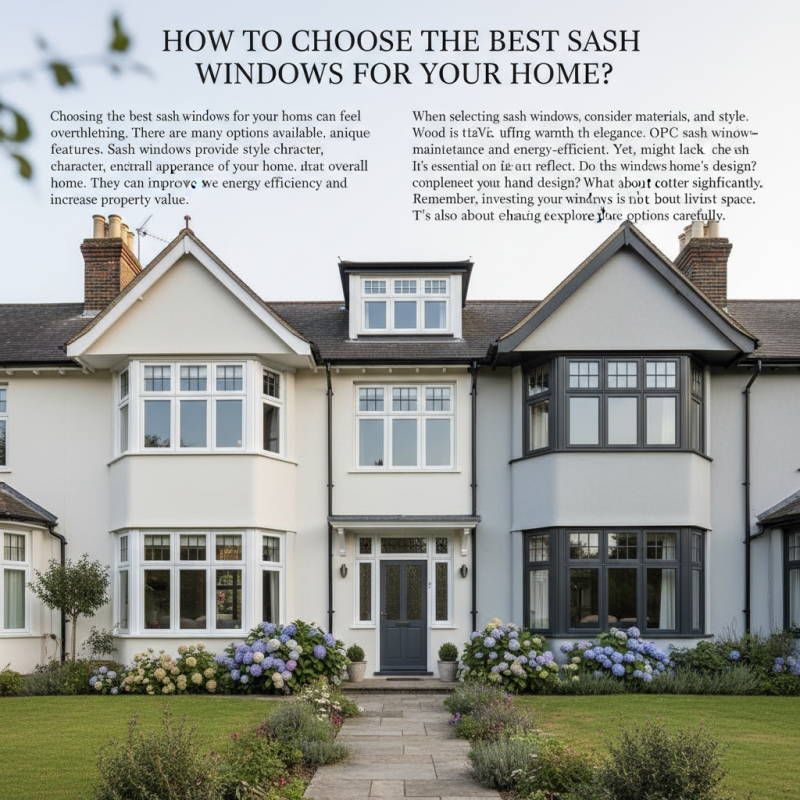
Choosing the best sash windows for your home can feel overwhelming. There are many options available, each with unique features. Sash windows provide style and character, enhancing the overall appearance of your home. They can improve energy efficiency and increase property value.
When selecting sash windows, consider materials, design, and style. Wood is traditional, offering warmth and elegance. However, maintenance can be demanding. On the other hand, uPVC sash windows are low-maintenance and energy-efficient. Yet, they might lack the charm of wooden frames.
It’s essential to reflect on your home’s architecture. Do the windows complement your home’s design? What about color and finish? These details matter significantly. Remember, investing in sash windows is not just about function. It’s also about enhancing your living space. Take your time to explore your options carefully.
Understanding Sash Windows: Types and Styles Explained
Sash windows are a classic choice for many homes. They come in various styles that enhance both aesthetics and functionality. Understanding these styles helps in making the right choice for your space. The two main types are vertical sliding and horizontal sliding sash windows.
Vertical sliding windows open up and down. This design is traditional and perfect for classic homes. Horizontal sash windows, on the other hand, slide side to side. This option can create a modern look and suit contemporary styles well. Each style has its charm, but it’s essential to consider your home’s character before deciding.
You might also reflect on materials. Wooden sash windows offer beauty but require maintenance. Composite or uPVC options are low maintenance and often more energy-efficient. However, they may lack warmth. Balancing aesthetics with practicality is key. Choosing the right sash window means weighing these aspects carefully. It's about finding what truly resonates with your home.
Key Factors to Consider When Choosing Sash Windows
Choosing sash windows for your home can be quite challenging. The design plays a crucial role in your home's aesthetic. Select styles that complement the architecture. Traditional sash windows often have a classic charm, while modern variations offer sleek options. These decisions can become overwhelming, as there are many choices available.
Material is another important factor. Wood is a timeless choice, while uPVC is low maintenance. Think about durability. Wood needs regular upkeep, but it can last longer if taken care of properly. Consider your local weather. Harsh climates may require sturdier materials. This aspect often gets overlooked, leading to costly repairs later.
Sound insulation and energy efficiency are also key factors. Double glazing can help keep your home quiet and warm. However, not all features work for every home. The fit of the windows is critical. Poorly fitted windows can lead to drafts. This is an easy mistake to make, causing frustration down the line. Take time to measure carefully and seek professional advice if needed.
Factors Affecting the Choice of Sash Windows
Material Options: Wood, PVC, and Aluminum for Sash Windows
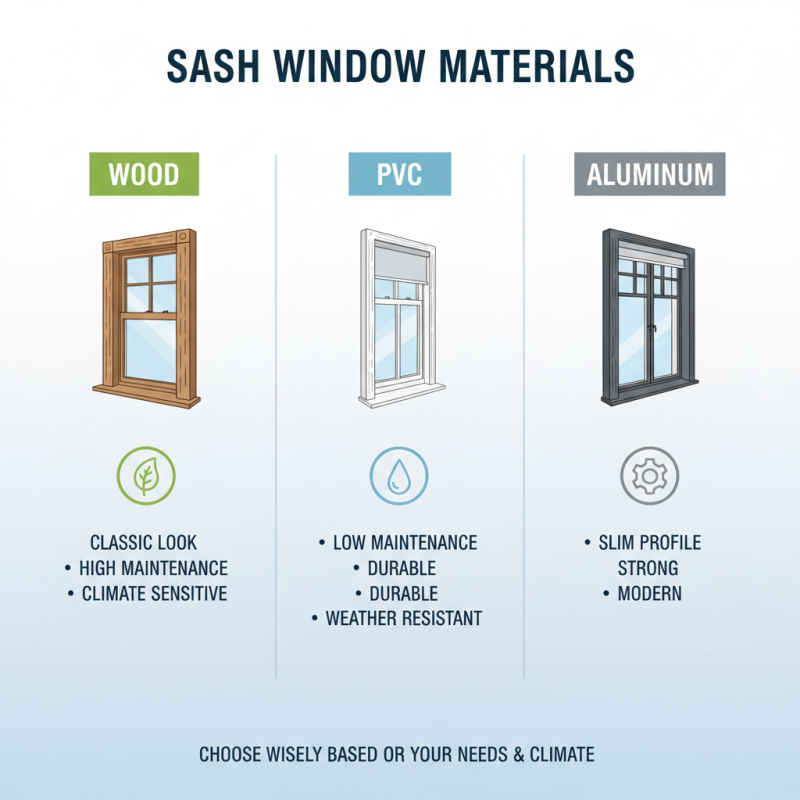
When choosing sash windows, material selection is crucial. Each option—wood, PVC, and aluminum—has its own pros and cons. Wood offers a classic look but may require frequent maintenance. It can warp or rot if not cared for properly. Consider the climate in your area; humid conditions can damage wooden frames faster.
PVC windows are low maintenance and energy-efficient. They do not warp or require painting. However, they may lack the aesthetic appeal of wood. They can feel cheap and might not suit all home styles.
Aluminum frames are strong and durable. They can withstand harsh weather without degradation. However, they are often less energy-efficient unless designed with thermal breaks. The metallic look may not blend well with traditional homes. Each material has its trade-offs, so think carefully about what fits your home best.
Energy Efficiency and Insulation Features of Sash Windows
When selecting sash windows, energy efficiency is key. These windows can help keep your home warm in winter and cool in summer. Look for models with double or triple glazing. These provide excellent insulation. The glass thickness matters too. Thicker glass can reduce noise pollution.
Consider the frame material. Wooden frames can offer good insulation but may need more maintenance. Vinyl frames are durable and energy-efficient. However, aesthetics might be lacking. Weigh your options carefully.
Tips for choosing: Ensure good seals around the windows. Seals should be intact to maximize energy efficiency. Test for drafts. If air flows easily, it may indicate poor insulation. Installation is crucial. Poorly installed sash windows can diminish energy-saving benefits. Always consider the long-term aspects.
How to Choose the Best Sash Windows for Your Home? - Energy Efficiency and Insulation Features of Sash Windows
| Feature |
Description |
Energy Efficiency Rating (A++ to E) |
Insulation Performance (U-value) |
| Single Glazing |
Basic window type, less energy efficient. |
E |
5.0 W/m²K |
| Double Glazing |
Common option, offers good insulation. |
B |
2.8 W/m²K |
| Triple Glazing |
Best insulation, ideal for high energy efficiency. |
A++ |
0.9 W/m²K |
| Low-E Glass |
Reflects heat back into the room, enhancing efficiency. |
A+ |
1.6 W/m²K |
| Argon Gas Filled |
Gas filling minimizes heat loss between panes. |
A+ |
1.4 W/m²K |
Installation and Maintenance Tips for Long-lasting Sash Windows
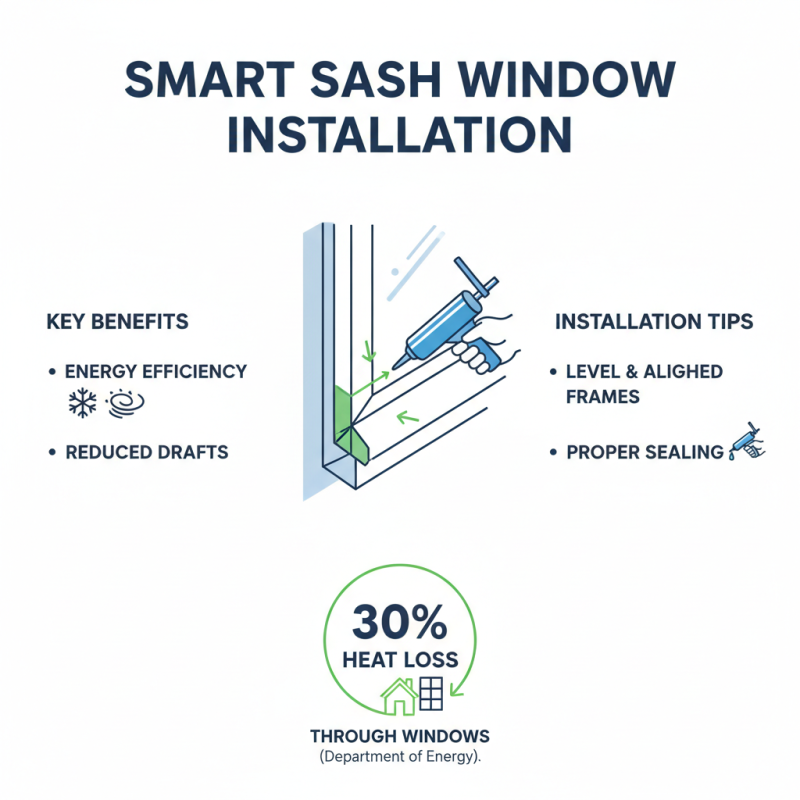
When installing sash windows, proper placement is crucial. The right fit ensures energy efficiency and reduces drafts. According to the Department of Energy, about 30% of heat loss in homes occurs through windows. This highlights the importance of proper sealing during installation. Ensure that frames are level and aligned. Unsealed gaps can lead to higher energy bills.
Maintenance extends the lifespan of your windows. Regularly check for rot, especially in wooden frames. According to a study by the National Association of Home Builders, neglected windows can reduce a home’s value by up to 10%. Cleaning tracks and sashes is essential to prevent buildup. Use gentle cleaners to avoid damage. Repainting every few years protects against weathering.
However, replacing damaged parts can be challenging. Sourcing exact replicas may take time. It's important to plan for repairs and factor in costs. Regular maintenance can feel tedious, yet it pays off in durability and aesthetics. Consider setting reminders for inspections. This proactive approach can save money in the long run.