How to Choose the Perfect Bay Windows for Your Home Decor
When it comes to enhancing the aesthetics and functionality of your home, choosing the right bay windows can make a significant difference. Bay windows are not just architectural features; they create a unique space that blends indoor and outdoor views while allowing for natural light to flood into your home. Renowned design expert Emily Henderson emphasizes the importance of thoughtful window selection: “The perfect bay window can elevate your space, giving it character and charm while inviting the beauty of the outdoors in.”
Selecting the ideal bay windows involves considering various factors such as style, size, and the overall design of your home. With so many options available, it can be overwhelming for homeowners to make the right choice. Whether you are looking to create a cozy reading nook, expand your living room’s view, or add value to your property, understanding the nuances of bay windows is essential to achieving your desired outcome.
In this guide, we will delve into the aspects that will help you make an informed decision about bay windows, ensuring that they not only complement your decor but also enhance the comfort and appeal of your home. From modern to traditional styles, the right bay windows are an investment in your home’s beauty and functionality.
Factors to Consider When Selecting Bay Windows for Home Decor
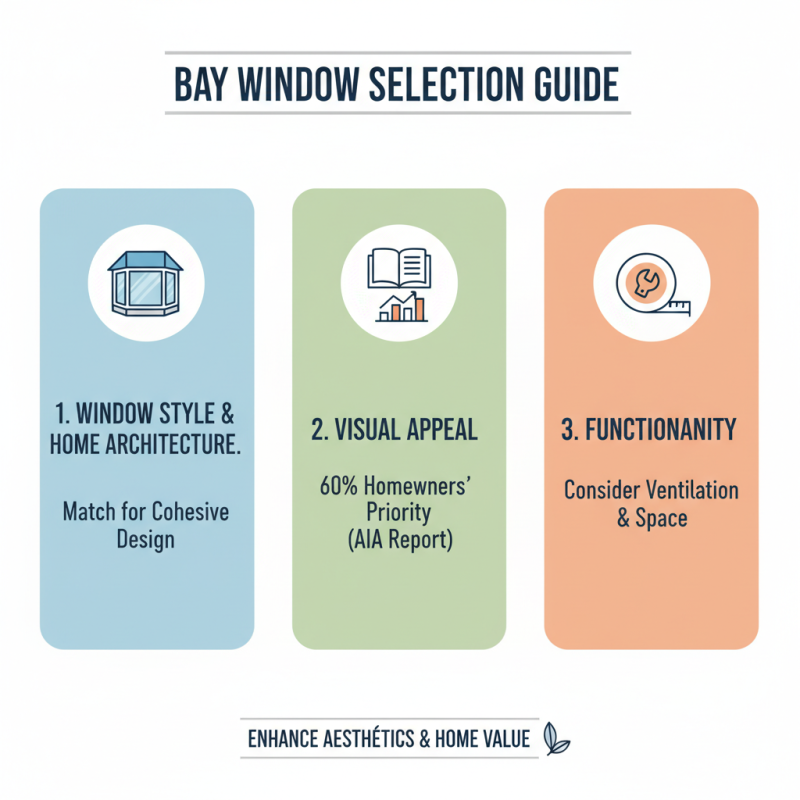
When selecting bay windows for your home decor, several key factors should be considered to enhance both aesthetics and functionality. One important aspect is the style of the windows, which should align with the overall design theme of your home. According to a report by the American Institute of Architects, nearly 60% of homeowners prioritize window shape and style in their renovation projects, underscoring the importance of visual appeal. Choose windows that complement the architectural style of your property, whether it be contemporary, traditional, or a blend of both, ensuring a cohesive look.
Another critical factor is the choice of materials used in the bay windows. Research by the Window and Door Manufacturers Association indicates that energy-efficient windows can reduce heating and cooling costs by as much as 15-20%. Consequently, investing in high-quality materials, such as vinyl or fiberglass, which offer durability and insulation, can significantly impact your long-term energy expenses while adding to the comfort of your living space. Furthermore, consider the window's glazing options to maximize natural light and minimize UV exposure, enhancing your home’s ambiance and protecting your furnishings. These considerations not only boost the aesthetics of your home but can also contribute to energy savings and overall value.
Types of Bay Windows and Their Aesthetic Benefits
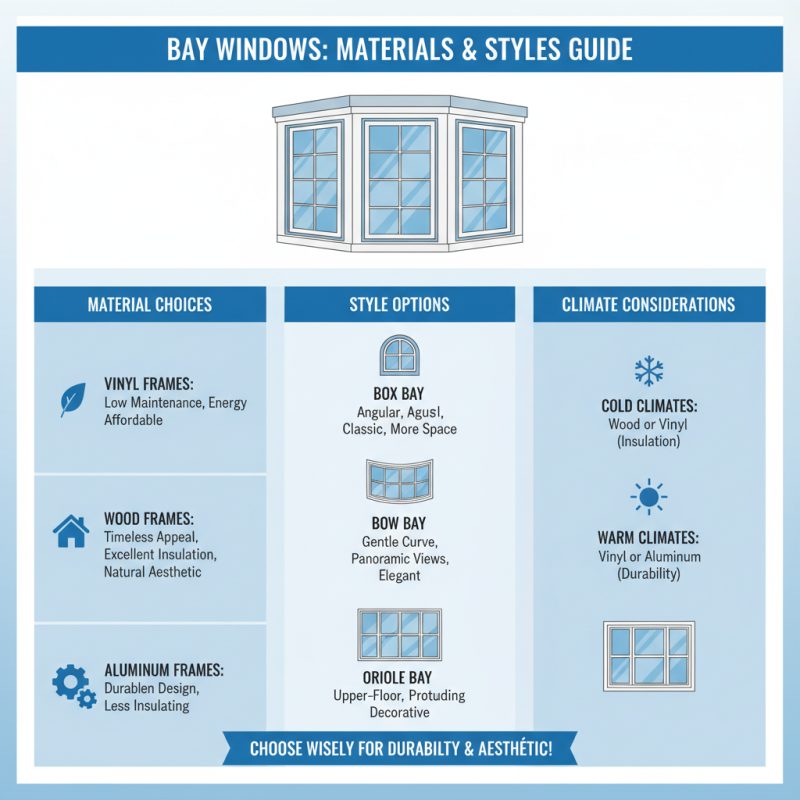
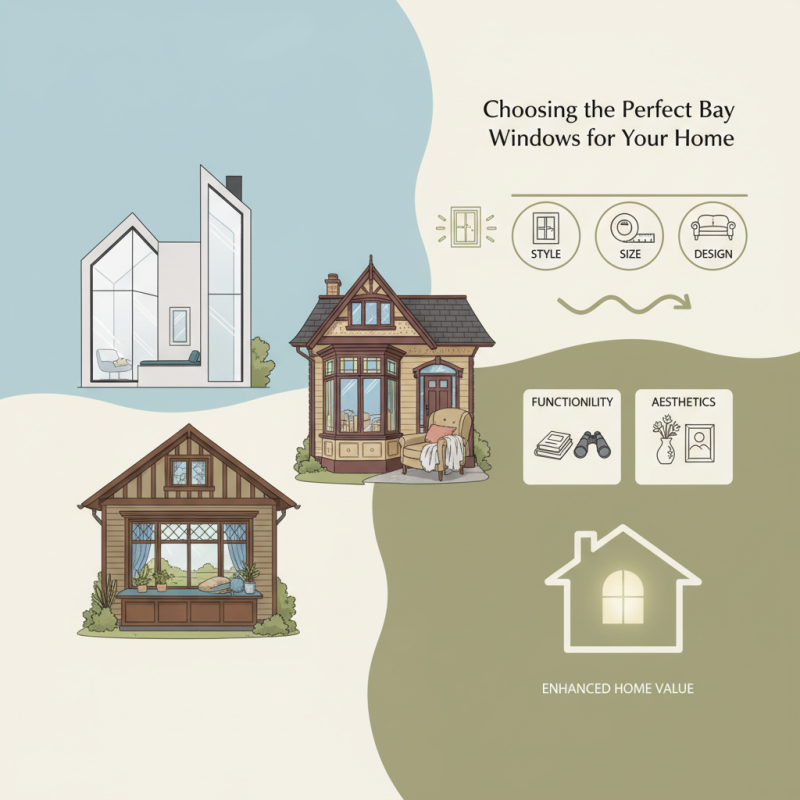
Bay windows are not only architectural features but also serve as a means to enhance the aesthetic appeal of your home. When selecting the perfect bay window, it's essential to understand the various types available, as each offers unique aesthetic benefits. The most common styles include the traditional box bay, which extends outwards, allowing for increased natural light and panoramic views, and the more contemporary circle bay, which features a curved design that brings a softer edge to the exterior.
According to a study by the American Institute of Architects, nearly 60% of homeowners prioritize natural light when making design decisions, underscoring the significance of bay windows in boosting the brightness of a space. Furthermore, bay windows can create an illusion of increased space, making smaller rooms appear larger and more inviting. The added depth created by the angle of the window can enhance the interior design, allowing for creative seating arrangements and decorative options. This flexibility in design contributes to a room's functionality while simultaneously elevating its aesthetic charm.
Moreover, incorporating bay windows into your home can significantly increase its market value. The National Association of Realtors reports that homes with well-designed bay windows can sell for approximately 10% more than comparable homes without them. Thus, choosing the right bay window not only complements your home decor but also serves as a smart investment in your property’s future.
Bay Window Types and Their Aesthetic Benefits
Measuring Your Space for the Perfect Bay Window Fit
When it comes to selecting the perfect bay windows for your home decor,
measuring your space accurately is crucial. Begin by determining
the overall dimensions of the area where you plan to install the bay window. This includes measuring the width
of the wall and the height from the floor to the ceiling. Don’t forget to account for any architectural features,
such as moldings or radiators, that could affect the installation.
Tips: Use a tape measure to get the most precise dimensions. Measure at least twice to ensure
accuracy, and take measurements from different points along the wall since floors may not be perfectly level.
Next, consider the depth of the bay window, which can vary depending on the style you prefer. A deeper bay can
create a cozy nook, while a shallower version might offer a more streamlined look. Measure how far you want
the bay window to project from the exterior wall into your living space. Make sure to also leave space for
furniture placement, ensuring that the new window enhances your room rather than obstructing it.
Tips: Visualize the space by creating a mockup with painter's tape on the floor and walls to see
how the bay window will fit into your overall design. This can help you envision the changes it will bring to
your space.
Choosing Window Materials and Styles for Durability and Design
When selecting the perfect bay windows for your home decor, the choice of materials and styles significantly influences both durability and aesthetics. Bay windows can be constructed from various materials, each offering distinct benefits. For instance, vinyl frames are known for their low maintenance and energy efficiency, while wood frames provide a timeless appeal and excellent insulation properties. Aluminum, while less insulated, is highly durable and ideal for modern designs. Understanding the climatic conditions of your area can also guide this decision, as certain materials perform better in specific environments.
Additionally, the style of the bay window must complement the overall theme of your home. Traditional designs often feature a more ornate structure with detailed molding, while contemporary options offer sleek lines and a minimalist approach. The angle and projection of the bay window should harmonize with both the exterior architecture and interior spaces, enhancing natural light and views. Opting for double or triple-pane glass can further enhance energy efficiency and provide sound insulation, making your choice not just about looks, but also about functionality and sustainability in your home decor.
Integrating Bay Windows with Existing Home Interior Themes
Integrating bay windows into your home decor can enhance both the aesthetic appeal and functionality of your space. When selecting bay windows, it’s essential to consider your existing interior themes. For instance, if your home features a traditional design, opt for windows with classic, wooden frames and decorative moldings that complement the overall ambiance. Conversely, for a modern theme, sleek, minimalist designs with large glass surfaces can create a striking contrast, allowing natural light to flood the room.
Tips for Choosing Bay Windows:
1. **Consider Your Color Palette**: Select window frames that align with or subtly contrast your existing color palette. If your interiors boast warm tones, wooden frames might enhance the cozy atmosphere while painted frames can add a lively touch in more neutral settings.
2. **Think About Functionality**: Integrate bay windows that not only add beauty but also serve specific functions. For instance, incorporating bench seating can provide additional storage and create a cozy nook, perfect for reading or enjoying your morning coffee.
3. **Incorporate Accessories**: Use curtains or blinds that resonate with your decor style. Flowing fabrics can enhance the softness in a traditional space, while contemporary interiors might benefit from streamlined roller shades that maintain clean lines.
By thoughtfully selecting bay windows that harmonize with your existing home decor, you can create a cohesive and inviting living environment.
How to Choose the Perfect Bay Windows for Your Home Decor - Integrating Bay Windows with Existing Home Interior Themes
| Style |
Material |
Color Options |
Energy Efficiency |
Interior Theme Compatibility |
| Traditional |
Wood |
Natural, White, Cream |
High |
Classic, Rustic |
| Modern |
Vinyl |
Black, Gray, White |
Very High |
Minimalist, Contemporary |
| Victorian |
Wood/Composite |
Pastel, Dark Green, Burgundy |
Medium |
Vintage, Eclectic |
| Coastal |
Fiberglass |
Ocean Blue, Sandy Beige |
High |
Beach, Nautical |
| Industrial |
Metal |
Rust, Steel Gray |
Medium |
Urban, Modern |