How to Choose Insulated Vinyl Siding for Your Home?
When considering new siding for your home, insulated vinyl siding stands out. This material offers energy efficiency and aesthetic appeal. However, choosing the right type can be challenging. Not all insulated vinyl siding is created equal.
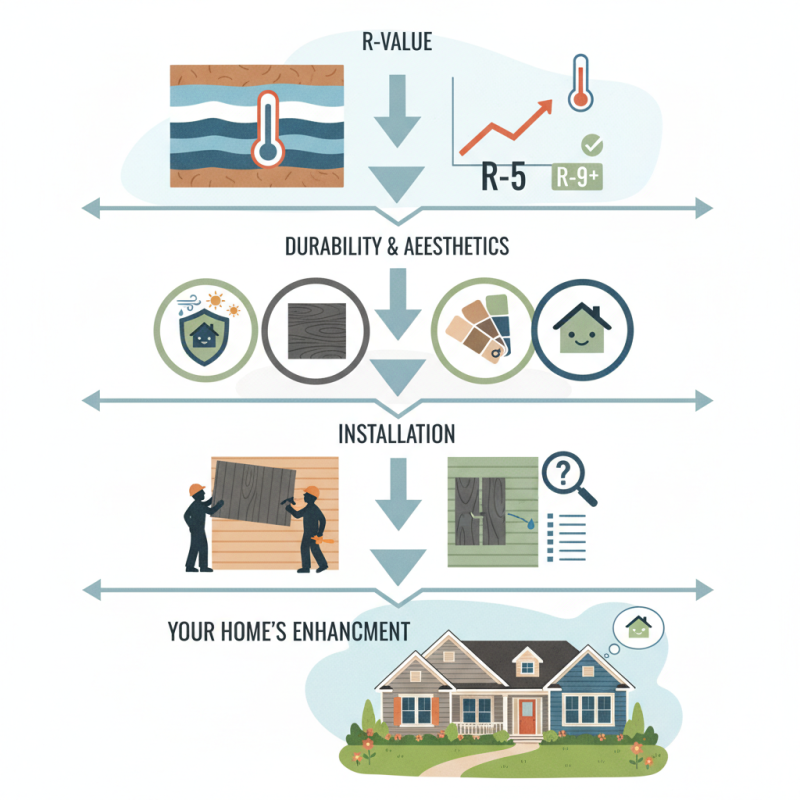
Pay close attention to its R-value. This value measures insulation effectiveness. Higher R-values mean better insulation. Look for products with durable outer layers. These protect against weather and wear. Also, consider the color and texture. Your choice impacts your home's curb appeal.
Many homeowners overlook the installation process. Professional installation can significantly affect performance. A poor installation can lead to issues like moisture buildup. Take time to research contractors as well. Insulated vinyl siding can enhance your home, but choices matter. Reflect on your needs and preferences. Each decision shapes the final outcome.
Understanding Insulated Vinyl Siding: Overview and Benefits
Insulated vinyl siding is gaining popularity among homeowners. This trend is supported by a report from the Vinyl Siding Institute, which indicates that about 30% of new homes now feature this material. One of the key benefits is its energy efficiency. Insulated siding can reduce energy costs by up to 20%, a crucial factor for many families.
Choosing the right insulated vinyl siding involves understanding its R-value, which measures thermal resistance. A higher R-value indicates better insulation. Homeowners should consider this to optimize comfort and savings.
Tip: When selecting siding, look for options with at least an R-value of 5. This number ensures significant energy savings.
Durability is another important factor. Insulated vinyl siding can withstand harsh weather and won’t fade easily. However, improper installation can lead to issues like moisture buildup and peeling. It’s essential to hire experienced contractors.
Tip: Always check reviews and past projects before hiring. A solid installation is vital for achieving the best performance.
Key Factors to Consider When Selecting Insulated Vinyl Siding
Choosing the right insulated vinyl siding for your home involves several key factors. Energy efficiency is paramount. According to the Department of Energy, properly insulated siding can reduce heating and cooling costs by up to 20%. This can translate to significant savings over time, making it a smart investment.
It’s also vital to consider the R-value of the siding. The R-value indicates the material's resistance to heat flow. Higher R-values provide better insulation. Look for options with an R-value of at least 3.5. This ensures your home stays comfortable year-round, whether it’s hot or cold outside.
Tips: Pay attention to the thickness of the siding. Thicker panels often mean better durability and noise reduction. Ensure the installation is done correctly. Poor installation can negate insulation benefits.
Another factor is the aesthetic appeal. Choose colors and textures that complement your home’s architecture. However, remember that dark colors can absorb more heat, potentially affecting energy efficiency. It’s essential to balance style with practicality for a long-lasting solution.
How to Choose Insulated Vinyl Siding for Your Home? - Key Factors to Consider When Selecting Insulated Vinyl Siding
| Factor |
Description |
Importance |
| Material Quality |
Evaluate the thickness and durability of the vinyl siding. |
High |
| Insulation Value |
Check the R-value to assess the thermal efficiency. |
Critical |
| Color Options |
Consider the available colors and finishes for aesthetic appeal. |
Moderate |
| Maintenance Requirements |
Assess how easy it is to clean and maintain the siding. |
Important |
| Warranty |
Look for warranties offered by manufacturers as a reliability measure. |
Very High |
| Cost |
Compare prices but balance with quality and features. |
High |
Analyzing Energy Efficiency Ratings of Insulated Vinyl Siding
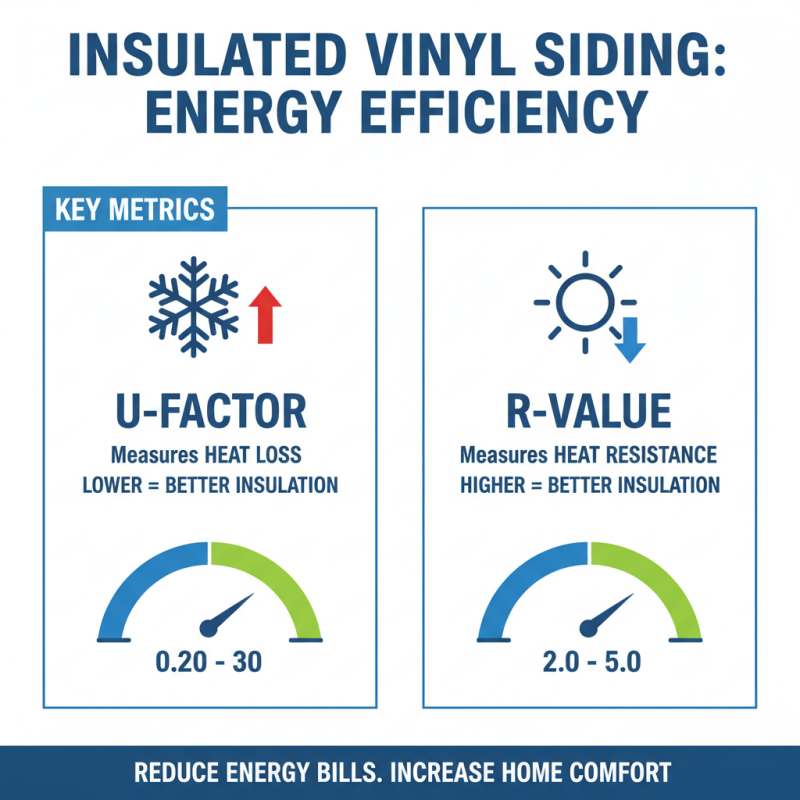
When considering insulated vinyl siding, energy efficiency ratings play a critical role. These ratings indicate how well the material can reduce heat transfer. The U-factor and R-value are two key metrics. The U-factor measures heat loss. A lower U-factor signifies better insulation. Typically, insulated vinyl siding offers a U-factor between 0.20 and 0.30, depending on the thickness of the insulation.
R-value measures resistance to heat flow. Higher R-values indicate more effective insulation. Insulated vinyl siding typically ranges from R-3 to R-5. A well-insulated home can save up to 15% on heating and cooling costs, according to industry reports. However, many homeowners underestimate the importance of proper installation. Poorly installed siding can result in gaps and thermal bridges. This could compromise efficiency.
Moreover, it's vital to assess the climate in your area. Manufacturers often provide performance data based on different conditions. What works in a mild climate may not be suitable for harsher environments. Reflecting on these factors is crucial when selecting insulated vinyl siding. Energy efficiency is not just about materials; installation and local climate are equally important.
Comparing Cost vs. Value: Insulated Vinyl Siding Investment
When considering insulated vinyl siding for your home, cost and value are crucial factors. Insulated vinyl siding often costs more upfront than traditional options. However, the additional investment can lead to significant long-term savings. These panels help maintain indoor temperatures, reducing heating and cooling bills. This energy efficiency adds value over time, making it a worthwhile consideration.
Homeowners may feel the pressure of high initial costs. It is essential to weigh those costs against the enhanced comfort and energy savings. Insulation provides a cozy living environment. The quality of materials can vary widely, which may muddy decision-making. Not all options will deliver the same performance. This often leads to buyer's remorse if not enough research is conducted.
While the desire to save money is natural, consider the long-term implications. Cheaper alternatives might not provide the same benefits. Spending a little more initially could result in better durability and performance. Investing wisely today can pay off in comfort and energy savings tomorrow. Balancing immediate costs with future value can be challenging, but informed decisions lead to greater satisfaction.
Cost vs. Value of Insulated Vinyl Siding
This chart illustrates the cost vs. value of investing in insulated vinyl siding for a typical home. The initial cost represents the upfront payment, while the annual energy savings, home value increase, and maintenance costs indicate the long-term benefits and returns of this investment.
Maintenance Requirements for Longevity of Insulated Vinyl Siding
Insulated vinyl siding offers fantastic energy efficiency. However, maintenance is crucial for its longevity. Regular cleaning can prevent dirt build-up. Use a soft brush and mild detergent for the best results. Avoid harsh chemicals that could damage the surface.
Check for signs of wear periodically. Look for cracks or fading. Dark colors may show wear quicker. If you notice issues, address them promptly. This can prevent bigger problems later. Seasons can affect materials, so inspect after severe weather.
Consider the environment too. If you live near the ocean, salt can be corrosive. Rinse siding with fresh water periodically. If tree branches scrape against the siding, trim them back. Little actions can make a big difference.