Why Choose Vertical Siding for Your Home Exterior Upgrade
When considering an upgrade to your home exterior, the choice of siding can significantly impact both aesthetics and functionality. Among the various options available, vertical siding has emerged as a popular choice for homeowners looking to enhance the visual appeal and structural integrity of their properties. This distinctive style not only offers a modern look that can make a bold statement but also presents a range of practical benefits that can contribute to the long-term value of your home.
Vertical siding is characterized by its upward orientation, which can create the illusion of added height and a sense of sophistication. This design choice can help set your home apart in the neighborhood, making it a focal point that reflects your personal style. Furthermore, the vertical alignment of the siding can channel water away from the base of the home more effectively than traditional horizontal options, thereby reducing the risk of moisture-related issues.
As you embark on the process of upgrading your home's exterior, exploring vertical siding may open up new avenues for creativity and functionality. With its unique charm and multitude of practical benefits, vertical siding deserves careful consideration as you make decisions about your home's future.
Benefits of Vertical Siding for Home Designs
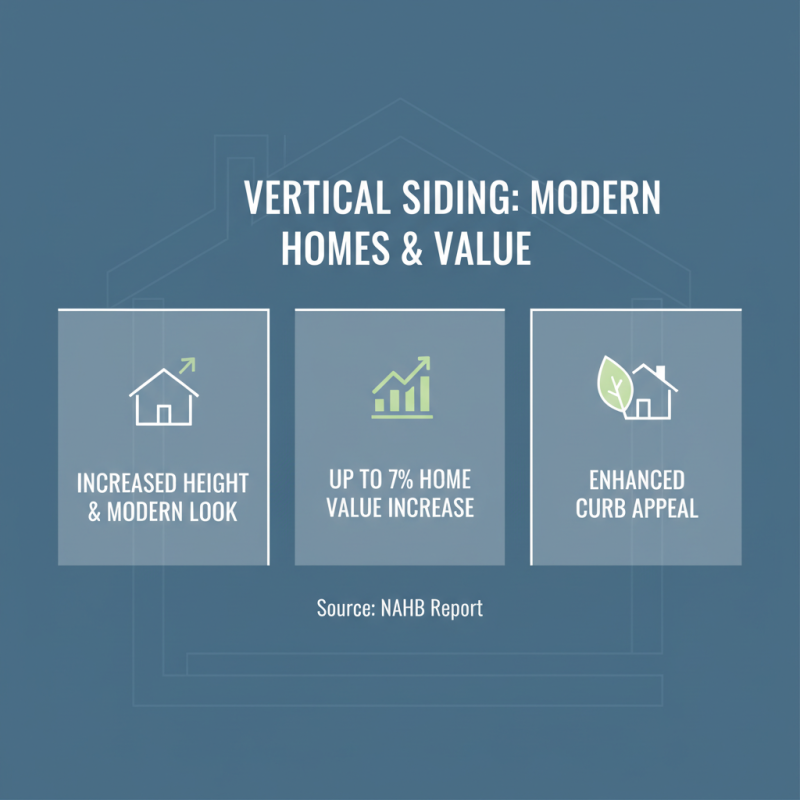
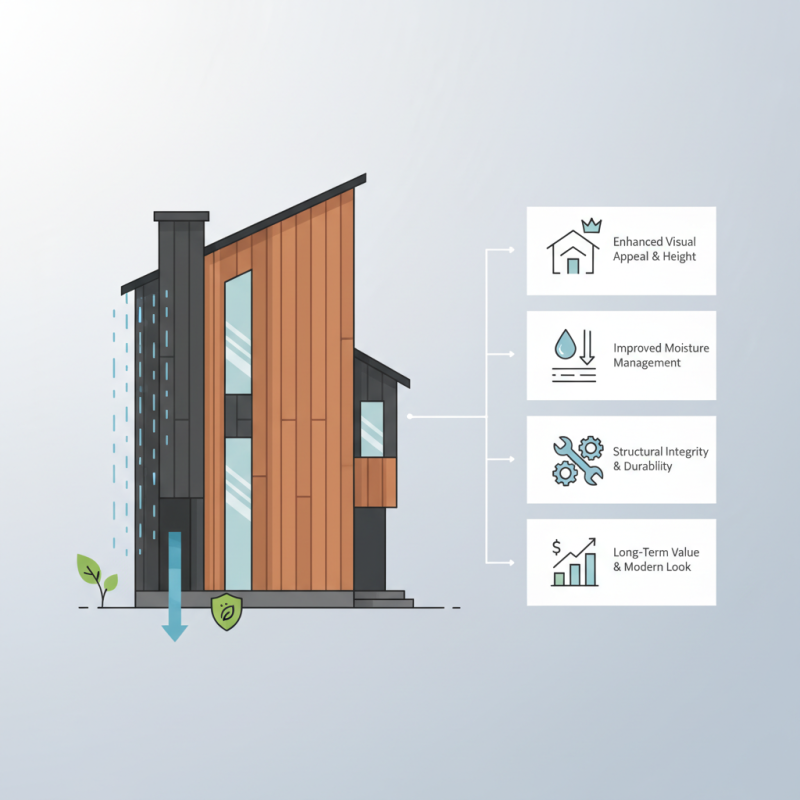
Vertical siding has surged in popularity among homeowners looking for a modern aesthetic and enhanced functionality for their exteriors. One of the major benefits of vertical siding is its ability to create a sense of height, which is particularly attractive for smaller homes. According to a recent report by the National Association of Home Builders, homes with vertical siding can potentially increase their market value by up to 7%, especially when combined with complementary architectural features. This modern approach not only offers a fresh look but also enhances curb appeal, making it a popular choice in contemporary home designs.
Another key advantage of vertical siding is its durability and low maintenance requirements. Vertical siding is often engineered to withstand harsh weather conditions, providing homeowners with long-lasting protection. The same report from the National Association of Home Builders notes that vertical siding materials, such as fiber cement and engineered wood, can last up to 50 years with minimal upkeep. This longevity makes vertical siding an economically sound investment, as it reduces the frequency and cost of replacements or repairs. Additionally, vertical siding can effectively shed water, decreasing the chances of moisture-related issues, further contributing to its appeal for homeowners seeking reliable and stylish exterior upgrades.
Comparing Vertical Siding to Horizontal Alternatives
When considering an exterior upgrade for your home, the choice between vertical and horizontal siding is crucial. Vertical siding, often praised for its modern aesthetic, can enhance the architectural appeal of a property. According to the 2022 Remodeling Impact Report by the National Association of Realtors, homeowners can expect a return on investment of approximately 75% when they choose vertical siding. This trend highlights the growing popularity of vertical installations as homeowners seek to modernize their exterior appearances.
In comparison, horizontal siding has dominated the market for many years, primarily due to its traditional look that suits a variety of architectural styles. However, industry analyses suggest that vertical siding offers unique advantages, such as improved water drainage and less susceptibility to warping. A study by the American Society of Home Inspectors found that vertical siding can reduce moisture retention, leading to a longer lifespan and reduced maintenance needs over time. Furthermore, vertical designs create the illusion of height, making spaces appear larger, which is particularly beneficial for smaller homes. This functional benefit, combined with aesthetic appeal, positions vertical siding as a compelling alternative in today’s housing market.
Materials Options for Vertical Siding Construction
When considering an exterior upgrade for your home, vertical siding presents a unique blend of aesthetic appeal and functional benefits. Among various materials available for vertical siding, wood, fiber cement, and vinyl stand out. Each material offers distinct advantages tailored to different homeowner preferences and environmental conditions.
Wood siding, often favored for its natural beauty, provides excellent insulation properties. According to a report from the American Wood Council, wood can improve energy efficiency by providing more effective thermal insulation compared to some synthetic materials. However, it requires regular maintenance to preserve its durability and prevent rot, especially in humid climates.
Fiber cement siding has gained popularity due to its resilience and low maintenance requirements. The Fiber Cement Association reports that this material can withstand harsh weather, resist pests, and does not require painting as frequently as wood. Its longevity and versatility make it an attractive option for homeowners seeking durability without sacrificing aesthetics. Lastly, vinyl siding, often lauded for its affordability and ease of installation, offers a wide range of colors and textures, making it a versatile choice for many design styles. The Vinyl Siding Institute notes that modern advancements have significantly improved its visual appeal and resistance to fading, providing homeowners with a cost-effective solution for vertical siding.
Maintenance Requirements for Vertical Siding Surfaces
When considering an upgrade for your home exterior, vertical siding is not only a stylish choice but also one that comes with manageable maintenance requirements.
 In terms of upkeep, vertical siding typically requires less frequent cleaning compared to horizontal counterparts due to its design, which allows rainwater to naturally wash away dirt and grime.
According to a 2022 industry report from the American Institute of Architects, homes with vertical siding systems demonstrated a 15% reduction in required maintenance efforts over a five-year period, making it an appealing option for busy homeowners.
In terms of upkeep, vertical siding typically requires less frequent cleaning compared to horizontal counterparts due to its design, which allows rainwater to naturally wash away dirt and grime.
According to a 2022 industry report from the American Institute of Architects, homes with vertical siding systems demonstrated a 15% reduction in required maintenance efforts over a five-year period, making it an appealing option for busy homeowners.
Furthermore, the longevity of vertical siding materials contributes to its lower maintenance needs. Most vertical siding options, including fiber cement and vinyl, are resistant to warping, fading, and pests, which minimizes repairs and replacements.
A study by the National Association of Home Builders found that homes with vertical siding generally experienced a 30% longer lifespan than those using less durable materials.
This durability not only enhances the aesthetic appeal of the home but also translates into long-term savings on maintenance and potential replacements, reinforcing the practicality of selecting vertical siding for your home's exterior upgrade.
Impact of Vertical Siding on Home Resale Value
Vertical siding has become a captivating choice for homeowners looking to elevate their property’s exterior. One of the most significant advantages of this design is its positive impact on home resale value. This type of siding offers a unique aesthetic that distinguishes a home from others in the neighborhood. The modern and stylish look can attract prospective buyers, who may be drawn to the contemporary vibe that vertical siding delivers. As the first impression potential buyers get is crucial, the distinctive appearance of vertical siding can create a lasting appeal, increasing the overall marketability of the property.
Additionally, vertical siding can enhance the perceived value of a home through its association with durability and low maintenance. Quality vertical siding materials often withstand harsh weather conditions better than traditional horizontal options. As buyers become more savvy and seek homes that require less upkeep, the practicality of vertical siding serves as a major selling point. Homes featuring this type of siding can command higher resale prices as they not only look appealing but also promise longevity and performance, making them a wise investment for homeowners considering an upgrade.