How to Choose the Right Sash Windows for Your Home and Increase Energy Efficiency
Choosing the right sash windows for your home not only enhances its aesthetic appeal but also significantly improves energy efficiency. According to a recent study by the Window and Door Manufacturers Association, windows account for up to 30% of a household’s energy usage, making the selection of energy-efficient windows crucial for homeowners looking to reduce their carbon footprint. Expert Martin Wright, a renowned authority in the sash windows industry, emphasizes, "The right sash windows can transform a home into a more energy-efficient sanctuary, ultimately leading to lower utility bills and a reduced environmental impact."
In addition to energy savings, sash windows contribute to increased property value. A well-documented report by the Energy Saving Trust noted that homes with high-efficiency windows could see a return on investment of approximately 75% when sold. Sash windows, with their classic design, not only provide functional benefits but also cater to the growing demand for sustainable living solutions. By understanding the key features of sash windows, such as double glazing and thermal performance ratings, homeowners can make informed choices that align with their energy-saving goals while maintaining the character of their properties.
Understanding the Basics of Sash Windows and Their Benefits
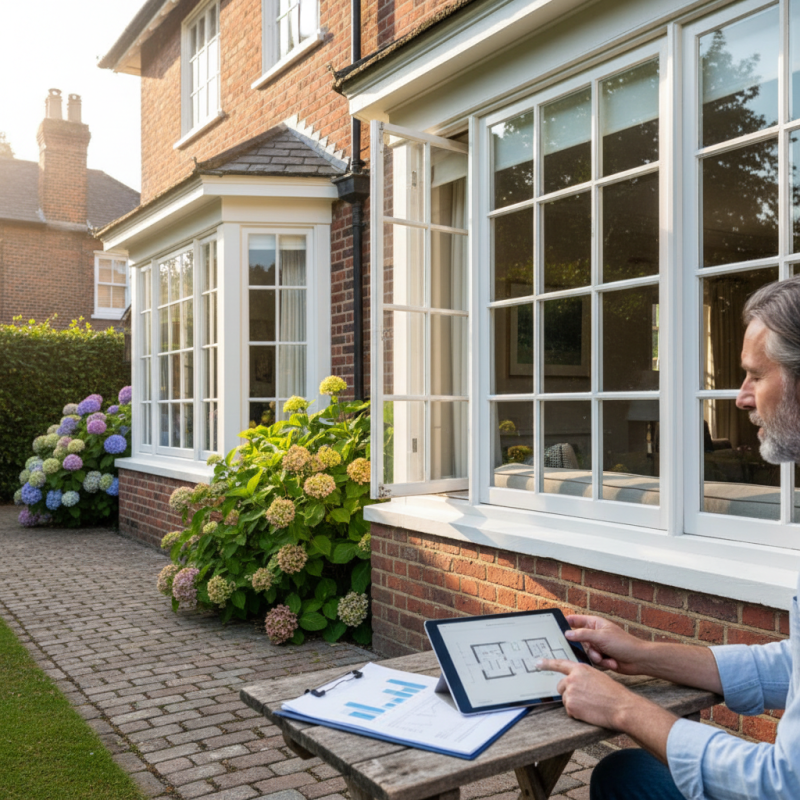
Sash windows have been a popular architectural feature for centuries, known for their elegant design and functionality. Understanding the basics of sash windows is essential for homeowners looking to enhance both the aesthetic appeal and energy efficiency of their homes. Typically consisting of one or more movable panels, or “sashes,” that slide vertically or horizontally, these windows can be fitted with various glazing options to suit modern requirements. The double-hung design allows for excellent air circulation, which can help regulate indoor temperatures and reduce reliance on heating and cooling systems.
One of the primary benefits of sash windows is their potential for improved energy efficiency. By incorporating double or triple glazing, homeowners can significantly reduce heat loss, thus lowering energy bills and minimizing their environmental impact. Additionally, proper sealing and insulation around the window frames are crucial for preventing drafts. With advancements in technology, modern sash windows can replicate traditional designs while offering better thermal performance. Choosing energy-efficient sash windows not only enhances your home’s comfort but also adds value to your property, making it a worthwhile consideration for any homeowner.
Energy Efficiency Comparison of Different Sash Window Materials
This bar chart illustrates the comparative energy efficiency of various sash window materials based on their U-Value ratings. Lower U-Values indicate better insulation performance, making it essential to choose the right material for enhancing your home's energy efficiency.
Evaluating Different Types of Sash Windows for Energy Efficiency
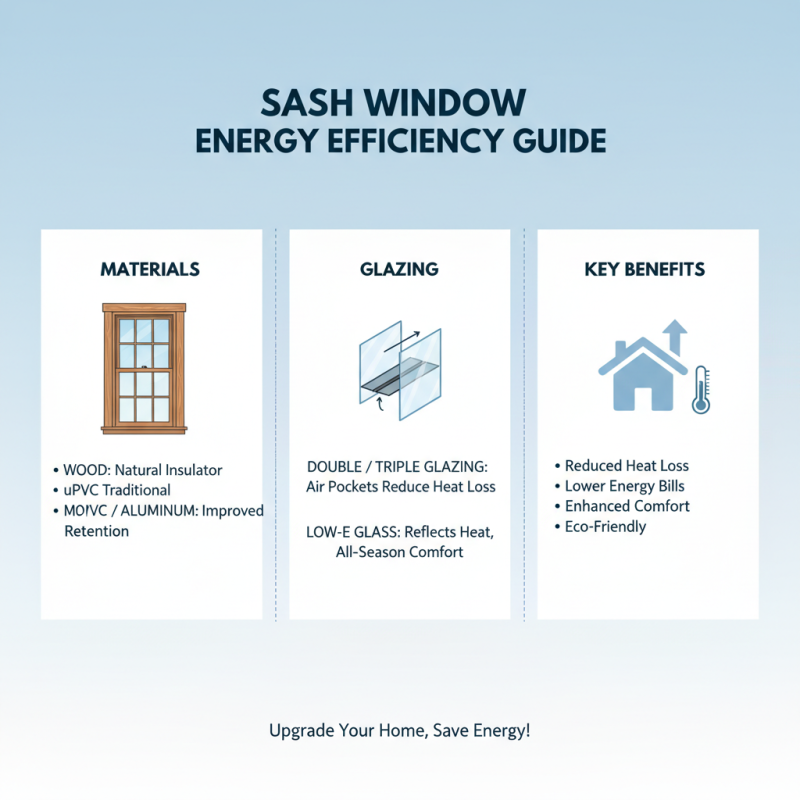
When evaluating different types of sash windows for energy efficiency, it's essential to consider the materials and glazing options available. Traditional wood sash windows offer natural insulation qualities, but modern alternatives like uPVC and aluminum can improve energy retention. Double or triple glazing significantly enhances energy efficiency by creating insulating air pockets that reduce heat loss. Moreover, low-emissivity (low-E) glass can reflect heat back into the home, making it a superb option for maintaining a comfortable indoor temperature year-round.
Another important factor is the design and configuration of the sash windows. Look for features such as draft-proof seals and thermal breaks, which can minimize air leakage and enhance insulation. Additionally, the style of the window can impact its energy efficiency; for instance, sliding sash windows with secondary glazing may provide better performance compared to fixed designs. By understanding these various types and features, homeowners can select sash windows that not only enhance the aesthetic appeal of their property but also contribute to lower energy bills and a reduced carbon footprint.
Key Features to Consider When Choosing Sash Windows
When selecting sash windows for your home, it's crucial to consider key features that enhance both aesthetics and energy efficiency. One of the primary factors is the material used in the window frame. Options like wood, aluminum, and uPVC each come with their own set of benefits and drawbacks.
Wooden frames offer traditional charm and excellent insulation, while aluminum provides durability and a modern finish. uPVC is known for its low maintenance and thermal efficiency, making it a popular contemporary choice.
Another essential feature to assess is the glazing type. Double or triple glazing can significantly improve the energy efficiency of sash windows by reducing heat loss and minimizing external noise. Look for windows with a low U-value, which indicates better insulation properties. Additionally, consider the design of the sash mechanism; sliding mechanisms that are easy to operate can enhance usability and prevent potential air leaks, while features like draught seals further contribute to maintaining a comfortable indoor environment. By prioritizing these elements, you can choose sash windows that not only elevate your home's style but also promote energy efficiency.
Tips for Selecting Energy-Efficient Glass Options
When selecting sash windows for your home, one of the most critical aspects to consider is the type of glass. Energy-efficient glass options not only enhance the thermal performance of your windows but also contribute to the overall comfort of your living space. Among the popular choices are double-glazed and triple-glazed units. Double glazing consists of two panes of glass separated by a gas-filled space that reduces heat transfer, while triple glazing adds an additional layer for even better insulation. Opting for these options can significantly reduce energy costs by minimizing heat loss during colder months.
Another important factor to consider is the low-emissivity (Low-E) coating, which can be applied to the glass surface. This coating reflects heat back into your home in winter while still allowing sunlight to enter. Additionally, it blocks harmful UV rays that can cause furniture and fabrics to fade. For those looking to further improve energy efficiency, consider laminated glass, which not only enhances thermal performance but also adds an extra layer of security and noise reduction. By carefully selecting the right glass options, you can ensure your sash windows contribute to a more energy-efficient home environment.
How to Choose the Right Sash Windows for Your Home and Increase Energy Efficiency
| Feature |
Option 1 |
Option 2 |
Option 3 |
| Material |
Timber |
uPVC |
Aluminium |
| Energy Rating |
A++ |
A+ |
A |
| Double Glazing |
Low-E Glass |
Argon Gas Filled |
Triple Glazing |
| Maintenance |
Requires Regular Painting |
Low Maintenance |
Moderate Maintenance |
| Cost per Window |
$800 |
$600 |
$1000 |
How Proper Installation and Maintenance Enhance Performance
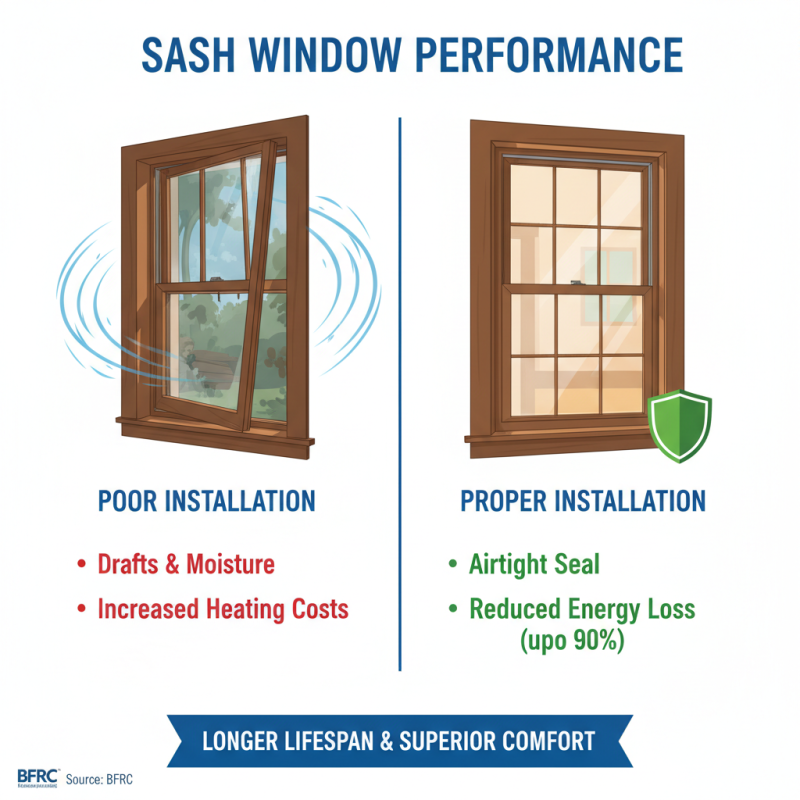
Proper installation and maintenance of sash windows are crucial elements that significantly enhance their performance and energy efficiency. According to the British Fenestration Rating Council (BFRC), well-installed windows can reduce energy loss by up to 90% compared to poorly fitted alternatives. This is primarily due to the airtight seal and proper alignment that mitigate drafts and moisture intrusion, which can lead to increased heating costs and discomfort. Ensuring that sash windows are correctly installed not only maximizes their thermal performance but also extends their lifespan, making them a worthwhile investment for homeowners.
Regular maintenance is equally important in maintaining the efficiency of sash windows. The Energy Saving Trust reports that neglected windows can lead to up to 25% of a home’s heat loss, emphasizing the need for routine checks on seals, locks, and sliding mechanisms. Simple tasks such as cleaning tracks, lubricating moving parts, and replacing worn weatherstripping can prevent energy losses. Additionally, periodic assessments can identify potential issues early on, ensuring windows perform optimally and contribute to the overall energy efficiency of the home. Proper care and prompt repairs not only enhance functionality but also improve the aesthetic appeal of sash windows, reinforcing their role as a valuable feature in a home’s design.