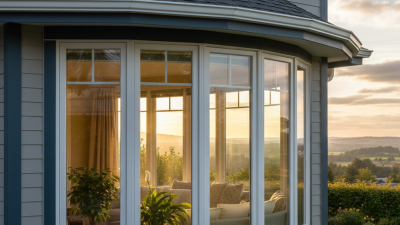
How to Choose the Perfect Bay Windows for Your Home Decor
When it comes to enhancing the aesthetic appeal and functionality of your home, bay windows are an exceptional choice. These architectural gems not only create a sense of spaciousness but also allow natural light to flood your interiors, creating a welcoming atmosphere. However, choosing the perfect bay windows that suit your decor can be daunting, given the myriad of styles, shapes, and materials available. The right bay window can serve as a stunning focal point, seamlessly blending with your overall design while providing a cozy nook for relaxation or a vibrant spot for your favorite plants.
In this guide, we will explore essential considerations when selecting bay windows that align with your home’s decor. From understanding the different styles and configurations to assessing the practical aspects such as energy efficiency and maintenance, we will provide insights to help you make an informed decision. Whether you are revamping a traditional space or modernizing a contemporary setting, the perfect bay windows can elevate your home’s charm while ensuring comfort and utility. Join us as we delve into the world of bay windows, helping you navigate the choices to transform your living space beautifully.
Understanding the Different Types of Bay Windows Available
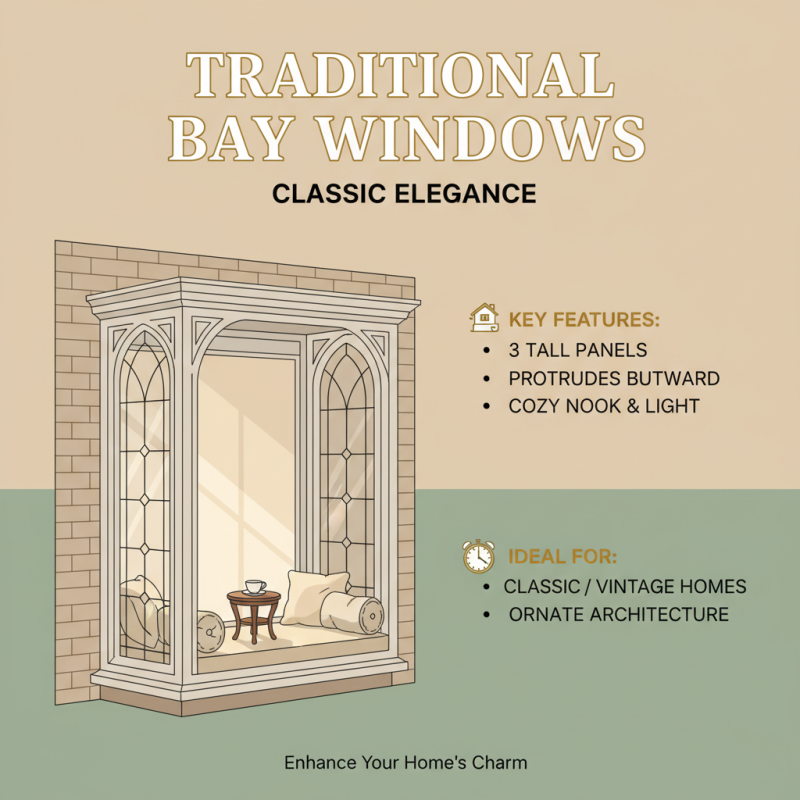
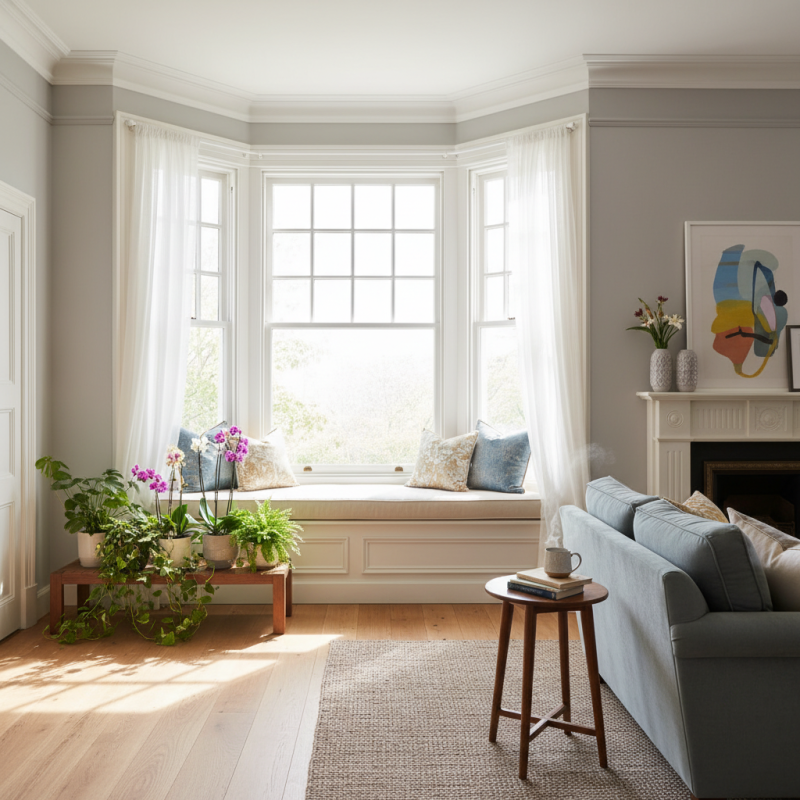
When choosing bay windows for your home decor, it's essential to understand the different types available to find the perfect fit for your space. Traditional bay windows typically consist of three tall panels that protrude from the exterior wall, creating a cozy nook and enhancing natural light. These are best suited for classic or vintage-style homes, as they often complement ornate architectural details.
Another popular type is the bow window, consisting of four or more panels that curve outward. This design offers a broader view and can create a more spacious feel in a room. Bow windows are versatile and work well with both modern and traditional aesthetics. If maximizing views and light is your goal, consider choosing this option for settings like dining areas or living rooms.
**Tips:** When selecting bay windows, consider their orientation to the sun. South-facing windows will admit more light, while north-facing options will provide a calm, softer illumination. Additionally, think about the window frame materials—wood, vinyl, or aluminum—each offering different levels of insulation and maintenance. Lastly, coordinate the window style with your interior design, utilizing curtains or blinds that enhance rather than detract from the overall elegance of your home.
Key Factors to Consider When Selecting Bay Windows for Your Space
When selecting bay windows for your home decor, there are several key factors to consider to ensure you make the right choice for your space. First and foremost, assess the architectural style of your home. According to a report by the American Institute of Architects, bay windows harmonize beautifully with traditional designs, adding a classic touch to both residential and commercial properties. Whether your home features colonial, Victorian, or modern aesthetic, choosing the right style of bay window can enhance its overall curb appeal.
Another critical factor is the functionality of the bay windows. Integration of energy-efficient materials can significantly impact your home's energy consumption. The U.S. Department of Energy estimates that well-installed energy-efficient windows can reduce energy bills by up to 15%. Besides thermal performance, consider how the bay windows will be used; whether you're looking to increase natural light, create a cozy reading nook, or enjoy an unobstructed view of your garden, choosing a style and configuration that best serves your lifestyle is essential.
Lastly, materials play a crucial role in the longevity and maintenance of bay windows. A 2022 study from the Window & Door Manufacturers Association notes that vinyl and fiberglass windows offer superior durability compared to traditional wood, requiring less upkeep over time. This data suggests that selecting the right materials not only influences aesthetics but can also save homeowners both time and money in the long run, making it an essential consideration in your decision-making process.
Choosing Materials and Styles for Bay Windows in Home Decor
When selecting materials for bay windows, your choice can significantly impact both the aesthetic appeal and functionality of your space. Popular choices include wood, vinyl, and fiberglass. Wood offers a classic, timeless look and can be easily customized with different finishes. However, it requires regular maintenance to protect against moisture and temperature changes. Vinyl, on the other hand, is a low-maintenance and cost-effective option that provides excellent insulation while being available in various colors that can mimic the look of wood. Fiberglass combines durability and energy efficiency, making it an excellent choice for homeowners looking for long-term performance without compromising on style.
When it comes to styles, consider how the bay window will complement your existing home decor. Traditional bay windows often feature a Victorian or Colonial design, while modern styles may adopt cleaner lines and larger glass panes to maximize natural light. Curved windows can add a softer touch, while angled designs create a more dynamic appearance. Regardless of style, it's essential to think about how the window will work with your interior themes, such as furniture arrangements, wall colors, and overall decor elements. Choosing the right combination of materials and styles will enhance the beauty of your home while ensuring that the bay window serves its purpose effectively.
Bay Window Styles and Material Preferences
This chart represents the percentage preferences of various materials used for bay windows in home decor. Vinyl is the most preferred material, followed by wood, aluminum, and fiberglass.
How to Measure and Plan for Bay Windows Installation
When planning for bay window installation, accurate measurements are crucial to ensure a perfect fit. Start by measuring the width of the wall where the bay window will be installed. It’s essential to note any variations in wall thickness or irregularities, which can affect the installation process. Use a level to confirm that your measurements are straight, and account for any trim or moldings that may be in the way. Additionally, measure the height from the floor to the desired top of the window frame, ensuring that you allow for the window sill height and potential bases or ledges.
Once measurements are taken, create a detailed plan that includes not only the window dimensions but also the surrounding space. Consider how the bay window will integrate with the existing decor and architecture of your home. Make sketches if necessary, noting the angles and projection of the bay window. Calculating the depth and ensuring there’s enough room for seating or plants can enhance both aesthetics and functionality. By thoroughly measuring and planning, you will set a strong foundation for a successful bay window installation that complements your home’s charm.
Enhancing Home Aesthetics with the Right Bay Window Treatments
When it comes to enhancing the aesthetics of your home, choosing the right bay window treatments is essential. Bay windows naturally draw attention and can serve as a focal point in any room. Selecting the appropriate window treatments not only highlights their architectural beauty but also adds warmth and character to your interior decor. Soft, flowing fabrics such as sheer curtains or elegant drapes can soften the edges of a bay window and create a cozy atmosphere, allowing natural light to filter in while providing a sense of privacy.
Additionally, the style of your window treatments should complement the overall design theme of your home. For a modern, minimalist look, consider using sleek roller shades or blinds that can easily be adjusted to control light and visibility. On the other hand, for a more traditional setting, ornate valances or layered treatments can enhance the classic appeal of the windows. Incorporating elements such as tiebacks or decorative finials can further personalize the treatment, making it not just functional but also an integral part of your home’s decor. Ultimately, the right bay window treatments can transform your living space, making it both inviting and stylish.