What Are the Best Vertical Siding Options for Your Home?
Choosing the right vertical siding options for your home is crucial. It impacts aesthetics and energy efficiency. With various materials available, homeowners can feel overwhelmed. However, understanding each choice can simplify the decision-making process.
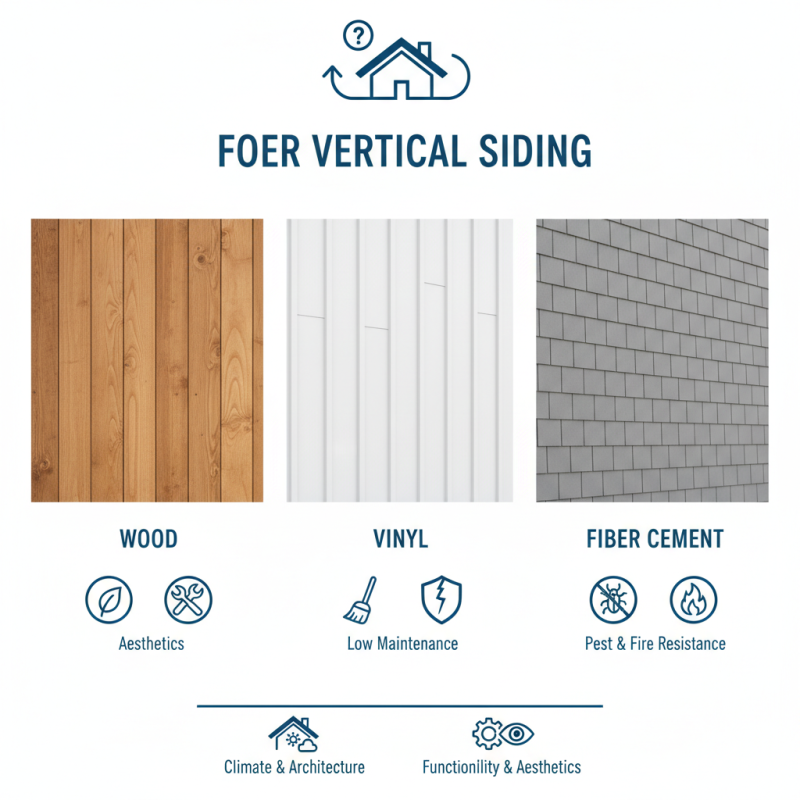
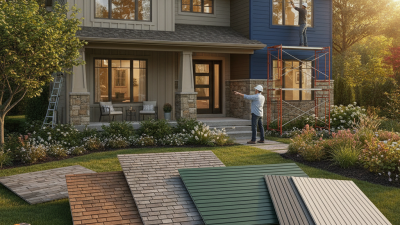
Vertical siding options include wood, vinyl, and fiber cement. Each type has unique characteristics. For instance, wood offers a classic look but requires regular maintenance. Meanwhile, vinyl is low maintenance but may lack the same durability over time. Fiber cement stands out for its resistance to pests and fire, making it a strong option.
Selecting vertical siding also depends on your home's architecture and your climate. Some materials perform better in specific weather conditions. Reflecting on these factors can help you make a well-informed decision. Remember, it's not just about looks; functionality is key. Take your time to weigh the pros and cons of each option.
Understanding Vertical Siding: Overview and Benefits
Vertical siding is a unique choice for many homeowners. This style enhances curb appeal. It offers a clean and modern look that can transform any house. Many options exist, each with distinct benefits. Selecting the right material is essential for lasting beauty and functionality.
Wood is a popular choice. It provides warmth and a classic feel. However, it requires regular maintenance to prevent rot and weathering. Consider engineered wood for a more durable yet appealing option. Fiber cement is also gaining traction. It resists pests and can mimic the look of wood, providing versatility in design.
Tips: Ensure proper installation to avoid moisture issues. Hiring professionals with experience helps achieve this. Consider the climate in your area. Certain materials perform better in different weather conditions. Research local building codes before making a decision. Every choice matters; don't rush. Take your time to weigh options carefully.
Types of Vertical Siding Materials: Pros and Cons
Vertical siding is an attractive option for many homeowners. It adds a unique character to a house while providing functionality. Different materials can be used for vertical siding, each with its own pros and cons. Let's explore them.
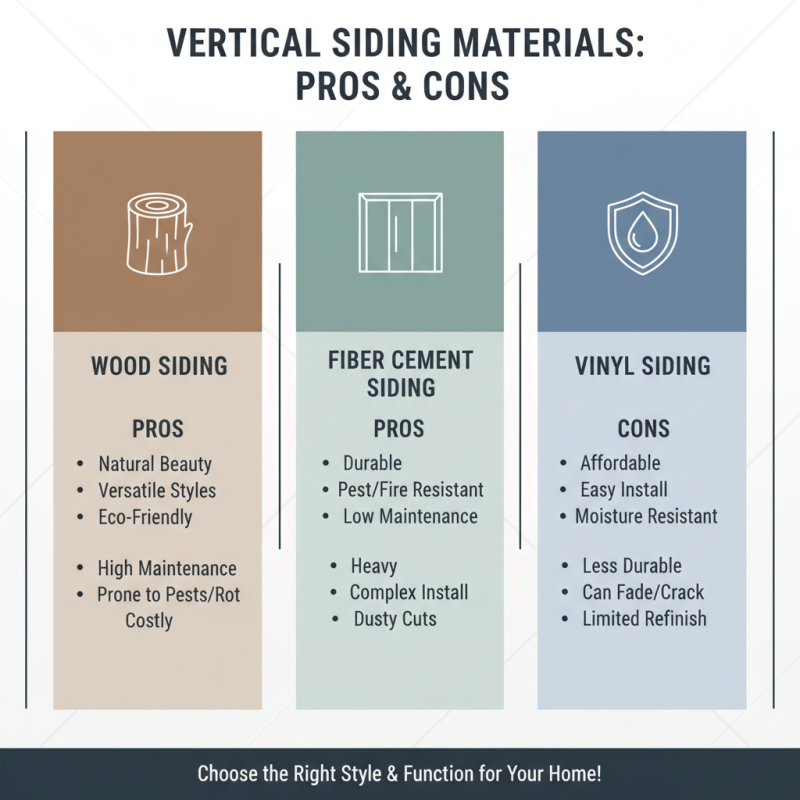
Wood siding is a classic choice. It provides a warm, natural look. However, wood requires regular maintenance to prevent rot and insect damage. Painting and staining are essential to keep it looking its best. On the downside, wood can be costly. Its longevity largely depends on the climate and care.
Vinyl siding offers durability and low maintenance. It resists peeling, fading, and is easy to clean. However, it may not provide the same aesthetic appeal as wood. Some styles look more artificial. Metal siding, like aluminum, is another option. It can withstand harsh weather, yet it also can dent easily. The color choices can be limited compared to other materials. Each comes with unique challenges, making the decision personal and intricate.
Comparing Aesthetic Appeal: Vertical Siding Styles
When choosing vertical siding for your home, aesthetic appeal is a primary consideration. Different styles can dramatically change your home’s exterior look. Board-and-batten siding offers a rustic charm. Its alternating wide and narrow boards create an interesting visual texture. This style often complements farmhouse designs, but it can also suit modern homes.
Another option is traditional vertical panels. These long, straight lines add height and elegance to your property. They are versatile, available in various materials like wood, vinyl, and fiber cement. Each material brings unique qualities. Wood gives a classic touch, while vinyl offers low maintenance. However, wood may require regular upkeep to prevent decay.
Lastly, tongue-and-groove siding provides a seamless, polished appearance. This option is sleek and ideal for contemporary styles. It also requires precision during installation. Misalignment can lead to water damage over time. Homeowners should weigh these details when selecting siding for lasting beauty and function.
What Are the Best Vertical Siding Options for Your Home?
This chart compares the aesthetic appeal of various vertical siding options for homes. Each option is rated on a scale from 1 to 10 based on its visual attractiveness.
Installation Considerations for Vertical Siding
When considering vertical siding, installation plays a crucial role. Proper planning is essential. The alignment of the siding must be precise to ensure a professional appearance. Using a level and measuring tools can help maintain straight lines. Gaps can lead to water infiltration and damage over time.
The choice of material affects installation complexity. Wood siding requires extra care during installation. It can warp and split. Composite materials offer more durability but may also require specific techniques. Understanding the unique properties of your chosen material will improve the installation process.
Weather conditions can impact the installation timeline. Extreme temperatures can hinder performance. It’s best to schedule installations during mild weather. Allowing for expansion and contraction is wise. These factors will help ensure that your vertical siding performs well over time. Remember, taking the time to plan can save you headaches later.
Maintenance Tips for Long-lasting Vertical Siding
When considering vertical siding for your home, maintenance is crucial for longevity. Regular inspection can prevent minor issues from escalating. According to the Vinyl Siding Institute, proper maintenance can extend the lifespan of siding by up to 30%. Keeping siding clean is essential. Use a mild detergent and a soft brush or power washer, but be cautious to avoid damaging the surface.
Rotting and mold are concerns, especially in humid areas. Check for leaks or cracks monthly. Address them quickly to avoid costly repairs. A study by the National Association of Home Builders shows that untreated damage can lead to expenses exceeding 10% of the home’s value. Additionally, painting can protect against wear. Choose high-quality exterior paint that suits your siding material, and apply it every 5 to 7 years.
Temperature changes can affect siding. Extreme heat and cold may cause materials to expand and contract, leading to warping. Homeowners often overlook this, which can become problematic. Regularly inspecting joints and seams ensures they remain sealed. Sealing gaps prevents water infiltration, which is vital for maintaining structural integrity.