Top Benefits of Insulated Vinyl Siding for Your Home?
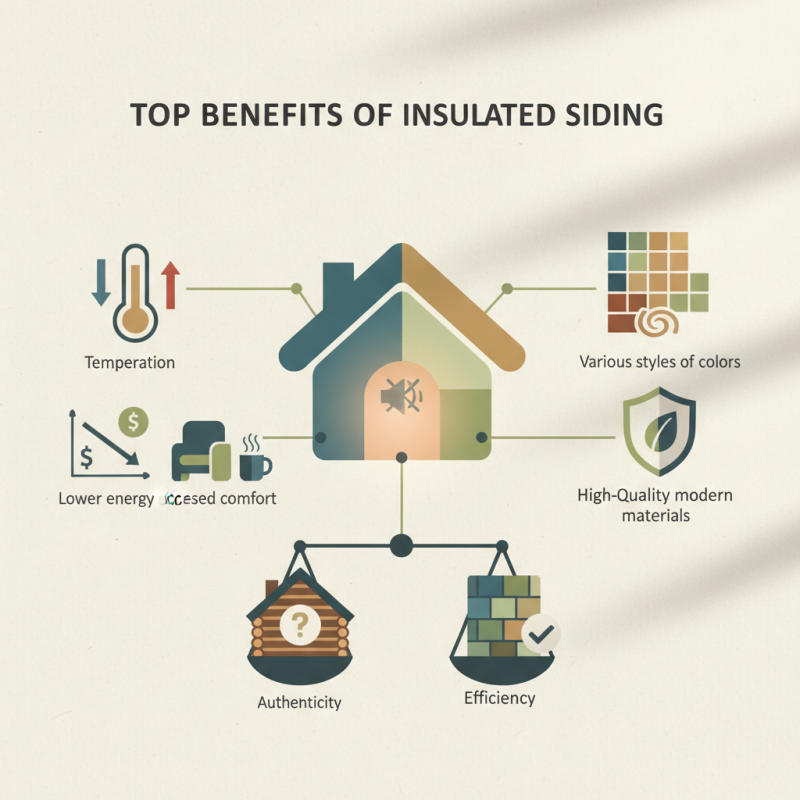
Insulated vinyl siding has gained significant attention in the home improvement industry. According to Remodeling Magazine, insulated vinyl siding can provide homeowners with a return on investment of up to 75%. This statistic highlights its popularity, especially in climates that experience extreme temperatures. The added insulation helps regulate indoor temperatures, which can lower heating and cooling costs.
In a recent study by the Vinyl Siding Institute, insulated vinyl siding was shown to outperform traditional siding in terms of energy efficiency and noise reduction. Homeowners often report a noticeable difference in comfort levels. The availability of various styles and colors means that aesthetics do not have to be sacrificed for efficiency. However, it is crucial to choose high-quality materials to truly experience these benefits.
While insulated vinyl siding offers many advantages, some may find it lacking in terms of authenticity when compared to natural materials. This perception can be a barrier for homeowners who prioritize traditional aesthetics. Therefore, it is essential to weigh these factors carefully when considering insulated vinyl siding for your home renovation project.
Benefits of Insulated Vinyl Siding: Energy Efficiency Insights
Insulated vinyl siding offers impressive energy efficiency, making it a popular choice for homeowners. This material features a layer of insulation that reduces heat transfer. As a result, homes stay warmer in winter and cooler in summer. Less energy is needed for heating and cooling, which can lead to lower utility bills. This is not just savings; it's a step towards sustainability.
Installing insulated vinyl siding can significantly enhance a home's thermal performance. However, it's important to consider proper installation. Gaps or air leaks can reduce the effectiveness of insulation. Homeowners might also find that not all insulated vinyl products perform equally. Research is essential, and asking questions can lead to better decisions.
Beyond energy savings, insulated vinyl siding improves comfort. The walls feel warmer to the touch during cold days. Noise reduction is another benefit that many appreciate. However, some might find the upfront costs higher than traditional siding. Balancing initial investment with long-term savings requires careful thought. Homeowners should weigh these factors to decide what fits best for their needs.
Top Benefits of Insulated Vinyl Siding for Your Home
| Benefit |
Description |
Estimated Savings (%) |
Impact on Home Value |
| Energy Efficiency |
Helps maintain consistent indoor temperatures, reducing the need for heating and cooling. |
20-30% |
Increases appeal to potential buyers. |
| Easy Maintenance |
Requires less cleaning and maintenance compared to wood siding. |
N/A |
Adds to long-term value. |
| Durability |
Resistant to extreme weather conditions and does not rot like wood. |
N/A |
Enhances long-term investment. |
| Insulation Benefits |
Provides an extra layer of insulation, further improving energy efficiency. |
10-20% |
May increase overall market value. |
| Variety of Styles |
Available in numerous colors and designs to suit different aesthetics. |
N/A |
Broadens buyer options. |
Impact on Home Insulation Ratings and Energy Costs Savings
Insulated vinyl siding provides significant benefits, especially regarding home insulation ratings. It is designed to enhance thermal performance. According to the Vinyl Siding Institute, it can improve a home's R-value by up to 20%. This increase means better heat retention in winter and cooler conditions in summer. Homeowners may feel a noticeable difference in comfort levels.
Lower energy costs are another essential benefit. A report from the Department of Energy states that adding insulation can reduce heating and cooling bills by 15-30%. For an average home, this could translate to savings of $200 to $500 annually. These figures show a compelling case for investing in insulated vinyl siding. However, the upfront cost can be significant, leading some homeowners to hesitate.
Another point to consider is the installation quality. Poor installation can negate insulation benefits. Inadequate sealing or gaps can lead to air leaks, diminishing efficiency. Homeowners must choose experienced professionals to ensure optimal performance. Balancing cost and quality is crucial. With careful planning, insulated vinyl siding can offer a sustainable choice for energy-conscious families.
Top Benefits of Insulated Vinyl Siding for Your Home
This chart illustrates the impact of insulated vinyl siding on home insulation ratings and energy cost savings. The data reflects the average insulation rating improvement and estimated annual energy cost savings across different climate zones.
Durability and Maintenance Advantages of Insulated Vinyl Siding
Insulated vinyl siding is increasingly popular among homeowners. One of its main advantages is durability. According to the Vinyl Siding Institute, insulated vinyl siding offers exceptional resistance to harsh weather conditions. It can withstand extreme temperatures, heavy winds, and impacts from debris. This siding is also resistant to fading, so its vibrant colors last longer.
Maintenance is another significant benefit. Unlike wood siding, insulated vinyl doesn't require frequent painting or sealing. A simple wash with soap and water keeps it looking fresh. For busy homeowners, this low maintenance approach is ideal.
However, installation mistakes can lead to issues. Proper alignment and fastening are crucial for optimal performance. If not done well, the siding may warp over time.
Tips: Ensure to choose qualified installers to avoid installation errors. Regularly inspect the siding for signs of damage to prolong its lifespan. Small repairs can prevent more significant issues later. Find the right balance between aesthetics and functionality when choosing colors.
Aesthetic Appeal: Design Options and Visual Benefits
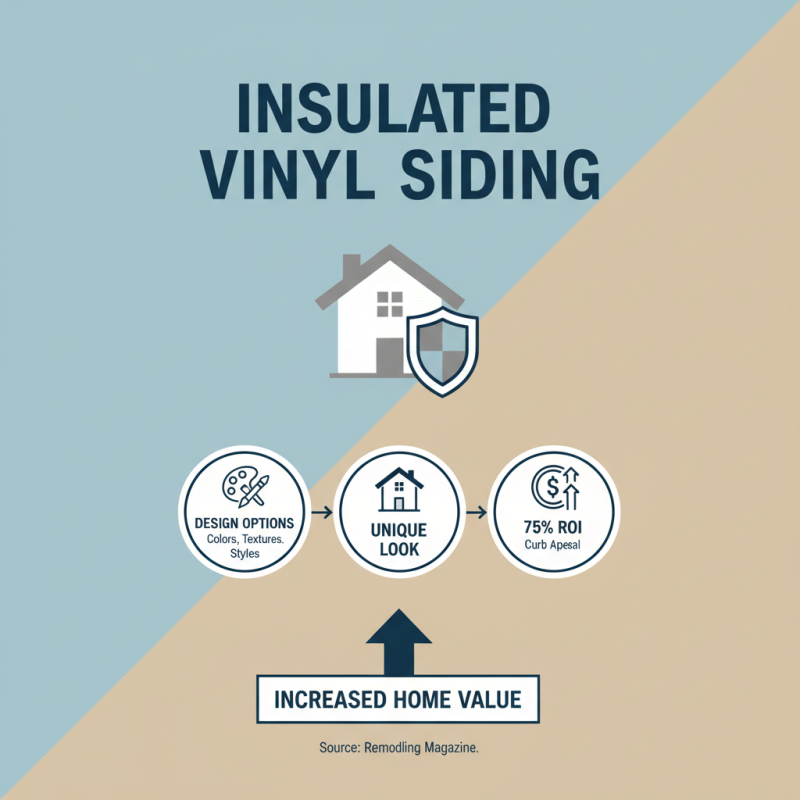
When exploring the visual appeal of insulated vinyl siding, consider the vast design options available. Homeowners can choose various colors, textures, and styles to create a unique look. According to a study by the Remodeling Magazine, vinyl siding can yield a nearly 75% return on investment in curb appeal. This statistic emphasizes how essential aesthetics are when improving a home's exterior.
Visually, insulated vinyl siding enhances a home's charm while also promoting energy efficiency. The added insulation helps maintain a stable indoor temperature, but it should be noted that not all installations are flawless. Some may overlook proper installation, leading to potential issues with appearance or performance. Reports from the Vinyl Siding Institute suggest that homeowners should check for accurate fitting to enjoy both beauty and functionality.
Additionally, the smooth finish of vinyl siding allows for easy cleaning and maintenance. However, color fading is a point of concern. Over time, exposure to sunlight can dull vibrant shades. Homeowners should weigh their options and consider various colors that might withstand weather changes. Balancing aesthetic appeal with practicality can create a lasting impression.
Environmental Impact: Eco-Friendliness and Sustainability Factors
When considering home improvements, insulated vinyl siding stands out for its eco-friendliness. This material plays a significant role in reducing energy consumption. With improved insulation, homes maintain a consistent temperature. Homeowners may experience lower heating and cooling bills. This results in less energy waste and is beneficial for the environment.
The production process of insulated vinyl siding has also evolved. Many manufacturers use recycled materials, reducing landfill waste. However, it's essential to question the energy used for manufacturing. While progress is evident, there remains a hefty carbon footprint. Striving for sustainability means not just using recycled content but ensuring responsible sourcing throughout the supply chain.
Choosing insulated vinyl siding can have lasting benefits. Homeowners create comfortable living spaces while supporting eco-friendly practices. Still, it’s crucial to look beyond initial appeal. Are we ready to truly invest in sustainability? The answers might not be easy but they are worth exploring.