10 Apartment Furniture Buying Tips for Global Buyers?
Buying Apartment Furniture across borders can feel exciting, yet one wrong measurement may create an expensive problem. A sofa that fits a showroom can overwhelm a compact living room. A beautiful table may also fail through a narrow lift or doorway. Global buyers need practical decisions, not attractive photographs alone.
Interior designer Bobby Berk once said, “Your home should tell the story of who you are, and be a collection of what you love.” His advice applies strongly to international apartment purchases. Furniture should reflect personal taste, but it must also suit local space, climate, delivery conditions, and daily routines. Measure every doorway, corridor, balcony entrance, and ceiling height before ordering. Check product dimensions in centimeters and inches. Confirm assembly requirements, packaging size, material durability, and replacement-part support. These details often matter more than a discounted price.
Small spaces need discipline.
Choose flexible pieces, such as nesting tables, storage beds, modular sofas, and extendable dining sets. Consider breathable fabrics in humid regions and stable wood or metal in changing climates. Ask suppliers for clear warranties, care instructions, shipment tracking, and verified customer images. Certifications can also help buyers assess material safety and responsible production.
Still, no checklist guarantees a perfect purchase. Even experienced buyers can misjudge color, firmness, or visual scale. A cream chair may appear warmer under showroom lighting. A compact sofa may feel surprisingly deep at home. These mistakes are useful reminders. Good Apartment Furniture buying requires careful research, honest self-questioning, and enough patience to reconsider an attractive option.
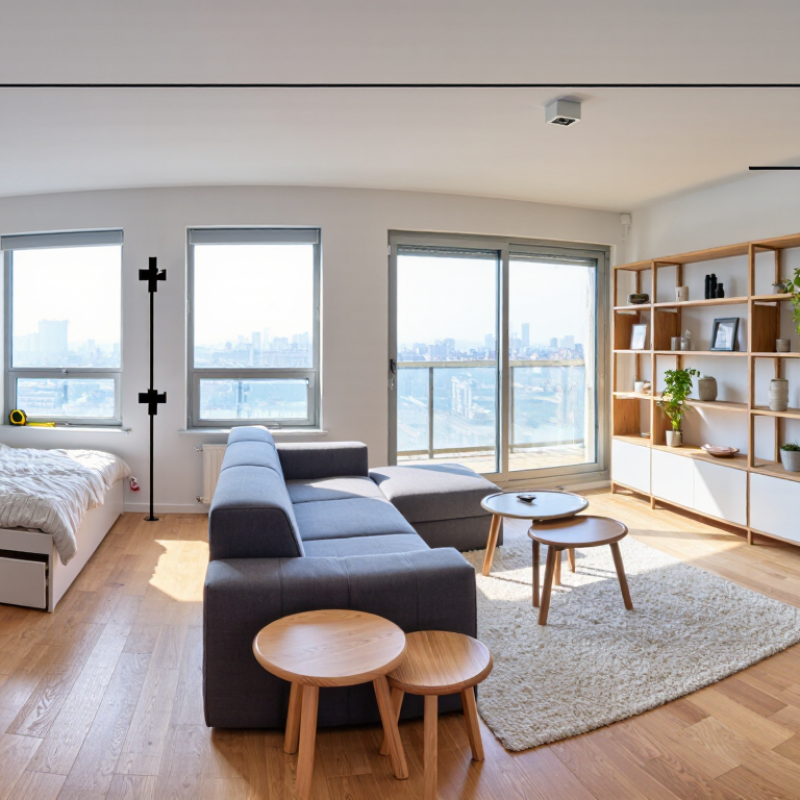
Define Your Apartment’s Space, Layout, and Furniture Requirements
10 Apartment Furniture Buying Tips for Global Buyers?
Define Your Apartment’s Space, Layout, and Furniture Requirements
Before choosing furniture, measure every usable area, not only the floor plan. Record wall lengths, ceiling height, door swings, window positions, radiators, and outlet locations. Draw a simple walking route from the entrance to the kitchen and bedroom. Keep at least 75 centimeters for comfortable circulation where possible. A beautiful sofa can still make a room feel blocked.
Urban housing is becoming more space-sensitive. UN-Habitat reports that 55% of the world’s population lived in urban areas in 2018, with the share projected to reach 68% by 2050. This trend increases demand for compact, flexible interiors. Choose furniture by function, not appearance alone. A storage bed may replace a separate cabinet. Nesting tables can protect open floor space. Check lift dimensions and stair turns before ordering large pieces.
Do not trust measurements copied from a listing. Recheck them yourself. I have seen a cabinet fit the wall but block the only window opening. That mistake was avoidable. Create a room-by-room requirement list with exact maximum dimensions, preferred materials, weight limits, and maintenance needs. For global purchases, also confirm local voltage requirements for integrated lighting, packaging dimensions, delivery access, and applicable safety standards. Furniture should suit the apartment’s daily movement, climate, and future changes, not just today’s photograph.
Apartment Furniture Planning: Recommended Clearances
Use these common residential planning guidelines to compare furniture clearances before buying. Accurate measurements help ensure comfortable movement and a practical layout.
How to use this chart: Measure the available space around each furniture area and compare it with the recommended clearance. Prioritize circulation routes first, then fit sofas, beds, dining furniture, and storage pieces around them.
Set a Realistic Budget for Furniture, Delivery, and Installation
A realistic furniture budget must cover more than the product price. The U.S. Bureau of Labor Statistics’ 2023 Consumer Expenditure Survey places average household spending on furnishings and equipment at roughly $2,200. This figure is only a reference point, not a global rule. Apartment size, local wages, import duties, and currency changes can alter the final cost quickly.
Create three separate lines: furniture, delivery, and installation. Reserve 10–15% for delivery changes, stair access, packaging removal, or minor assembly problems. DHL’s 2024 E-Commerce Trends Report found that 81% of shoppers expect free delivery. Large furniture rarely works that way. A low online price may exclude room-of-choice delivery, weekend service, or difficult-access fees.
Tip: Measure the lift, doorway, hallway, and turning space before ordering. Record each measurement in centimeters. Ask for a written delivery quote, including taxes and installation. Compare the landed cost, not the showroom price. I once underestimated a narrow hallway; the furniture fit the room but not the route. That mistake was avoidable.
Tip: Set a spending ceiling before browsing. Keep essential pieces separate from decorative items. A sofa, bed, and dining table deserve priority. If the budget becomes tight, delay accessories rather than choosing unsafe installation shortcuts. Industry estimates are useful, but your apartment’s actual access conditions matter more.
Check International Shipping, Packaging, Warranty, and Import Rules
Buying apartment furniture across borders requires more than comparing prices. Check whether the seller offers delivery to your exact address, not only your country. Ask about shipping methods, estimated transit time, tracking, and responsibility for damage during transport. A low shipping quote may exclude stairs, remote-area delivery, or inside placement.
Packaging deserves close attention. Request photos or details about corner protection, moisture barriers, and reinforced cartons. Glass, stone, and assembled wood need different protection. Measure doorways, lifts, and stair turns before ordering. My experience says this simple check prevents expensive returns. I once focused on furniture dimensions but forgot the narrow lift entrance. It was an avoidable mistake.
Read the warranty conditions carefully. Confirm the coverage period, repair process, replacement rules, and who pays return freight. Keep invoices, photos, and unboxing videos. They can support a damage claim. Import duties, taxes, product standards, and required documents vary by destination. Check your customs authority before payment. Some materials may need special declarations or certificates. Do not assume the seller handles everything. Written confirmation is safer than a friendly message. I also recommend asking whether the warranty remains valid after international delivery. This detail is easy to miss. Ask more questions.
Plan Delivery, Assembly, Placement, and Long-Term Maintenance
10 Apartment Furniture Buying Tips for Global Buyers
Plan delivery before choosing a sofa, bed, or dining table. Confirm carton dimensions, elevator access, stair turns, and local delivery restrictions. Request a written schedule with unloading responsibilities and damage-reporting deadlines. Customs delays can disrupt an entire room. My own packing checklist once missed door clearance, and the replacement delivery cost more than expected.
Assembly deserves equal attention. Check whether tools, wall anchors, and spare fasteners are included. Ask for multilingual instructions and a local service option. Measure the floor area before opening cartons. Leave breathing room. The U.S. Consumer Product Safety Commission recommends securing unstable furniture, especially in homes with children. A small anchor can prevent a serious accident, but not every wall accepts the same fixing.
Placement affects comfort and durability. Keep wood away from radiators, direct sunlight, and damp exterior walls. The U.S. Environmental Protection Agency reports that indoor pollutant levels can be two to five times higher than outdoors, so ventilation matters during unpacking. Use a pH-neutral cleaner and follow the material supplier’s care guidance. Inspect joints every few months. Tighten loose fittings gently, since overtightening can damage panels. UNEP’s 2024 Global Status Report links buildings and construction with 32% of global energy use. Extending furniture life through repair reduces replacement pressure, although maintenance habits are easy to neglect. Take photos after installation. They make future warranty or repair discussions clearer.