2026 Top Trends in Glass Patio Doors for Modern Homes?
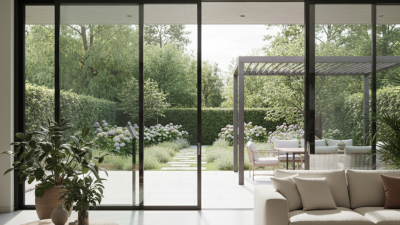
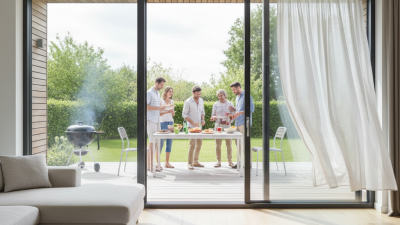
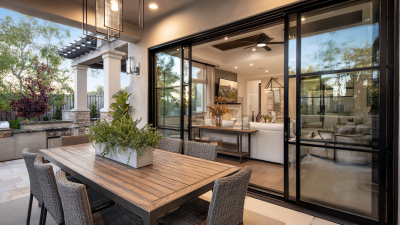
As homeowners seek to enhance their living spaces, glass patio doors have emerged as a crucial element in modern designs. These doors not only provide a seamless transition between indoor and outdoor areas but also amplify natural light, creating a vibrant atmosphere. In 2026, several trends are reshaping how we view and use glass patio doors.
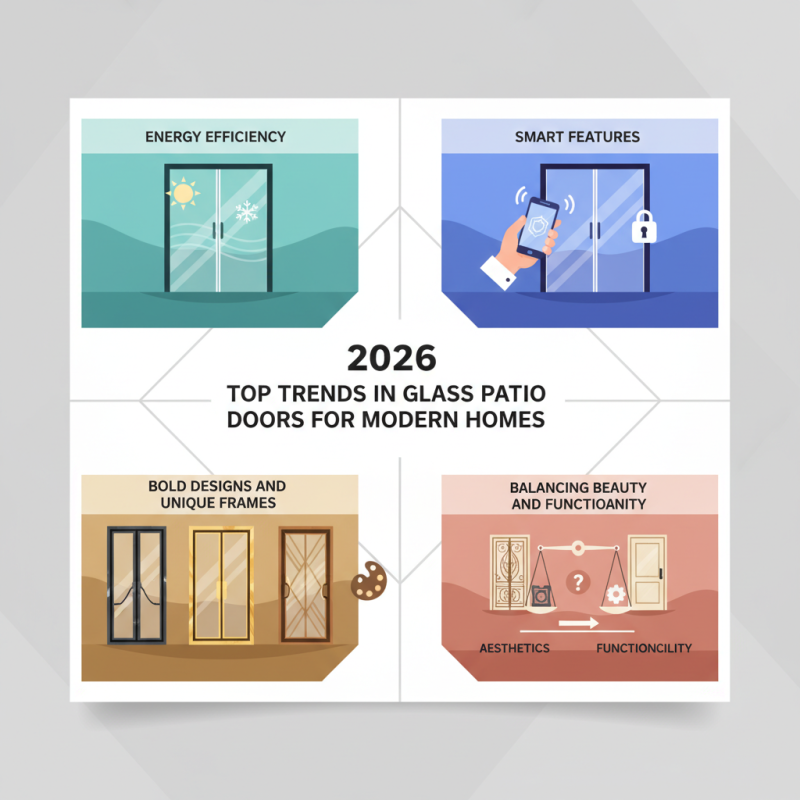
One notable trend is the emphasis on energy efficiency. New technologies enable these doors to minimize heat loss while maximizing sunlight. Homeowners can enjoy the beauty of the outdoors without compromising climate control. Another trend is the integration of smart features. Imagine controlling your doors with just a voice command. This innovation adds convenience but also raises questions about security.
Additionally, aesthetic preferences are evolving. More homeowners are opting for bold designs with unique frames and finishes. This reflects personal style while complementing the home’s architecture. However, are we overemphasizing aesthetics at the expense of function? Balancing style with practical benefits remains a challenge. Thus, as we explore these trends in glass patio doors, it is essential to consider both beauty and functionality.
Emerging Design Aesthetics in Glass Patio Doors for 2026
In 2026, glass patio doors are taking on fresh design aesthetics. Sleek lines and minimalist styles dominate the landscape. Homeowners crave doors that enhance their views while offering functionality. This year, frosted and tinted glass options are on the rise. They provide privacy without losing the connection to nature.
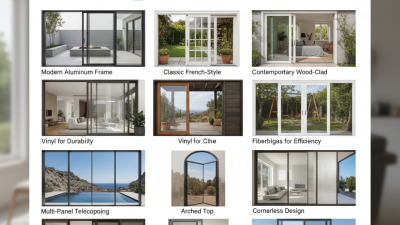
When choosing glass patio doors, consider the frame material. Aluminum and fiberglass are popular for their durability. Yet wooden frames bring a warm, classic touch. Balance function and style based on your home’s design. Think about colors that resonate with your existing decor.
Tips: Focus on energy efficiency. Look for doors with high thermal performance. This can save costs in heating and cooling. Don’t shy away from incorporating smart technology. Automated features can improve security and convenience. Embrace the imperfect; each door carries a story. Look for handmade options that reflect personal taste.
2026 Top Trends in Glass Patio Doors for Modern Homes
Innovative Materials and Technologies Shaping Modern Glass Doors
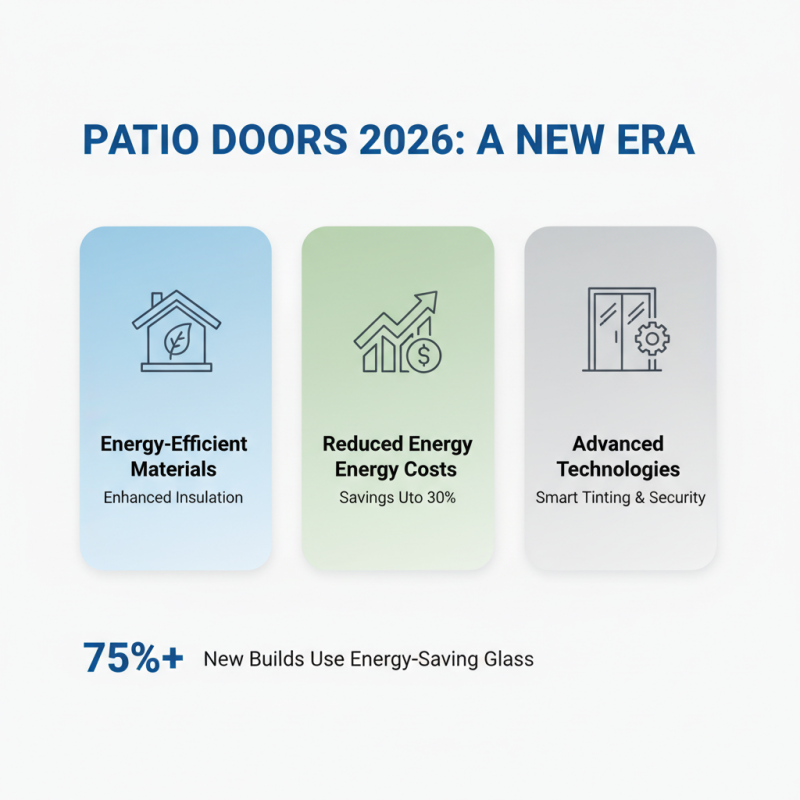
In 2026, glass patio doors are seeing a transformation driven by innovative materials and advanced technologies. Many homeowners now prefer energy-efficient options. According to industry reports, over 75% of new builds incorporate energy-saving glass solutions. These materials not only enhance insulation but also reduce energy costs significantly.
Modern glass doors are increasingly made from low-emissivity (low-E) glass. This type of glass minimizes heat transfer and reflects infrared light, keeping homes warm in winter and cool in summer. It is estimated that homes with low-E glass can save up to 30% on energy bills. Additionally, tempered glass is becoming a popular choice for its strength and safety, making it ideal for families.
**Tip:** Consider layering different glass types based on your climate. It can maximize efficiency. Using smart technologies, like integrated blinds or smart tinting, is gaining traction. Such options offer privacy and convenience, but they can come with higher costs.
Choosing the right materials should align with your specific needs. Some homeowners may skimp on durability to save money, only to regret it later. Always weigh your options carefully and think long-term.
Energy Efficiency Trends in Glass Patio Door Designs
In recent years, energy efficiency has become a primary focus in glass patio door designs. Homeowners are increasingly looking for doors that minimize energy loss. According to the U.S. Department of Energy, poorly insulated doors can account for up to 20% of heating and cooling costs. In response, manufacturers are innovating with low-emissivity (Low-E) coatings and multiple glazing options to enhance thermal performance.
Trends indicate a significant shift toward triple-glazed options. These doors can reduce energy costs significantly. A study by the Glass Association noted that triple-glazed patio doors can improve energy efficiency by up to 30% compared to traditional models. However, these options can also increase upfront costs, suggesting a need for careful consideration.
Despite advancements, some homeowners still experience issues with condensation. This can affect the longevity of the door and overall comfort in the home. Finding the balance between cost and efficiency remains a challenge. Even with the latest technology, reflection on current choices is essential for achieving the best results. Some features, while trendy, may not always deliver the expected performance. Choosing the right glass patio door requires thoughtful evaluation of both energy savings and practicality.
Smart Home Integration: Automation in Glass Patio Doors
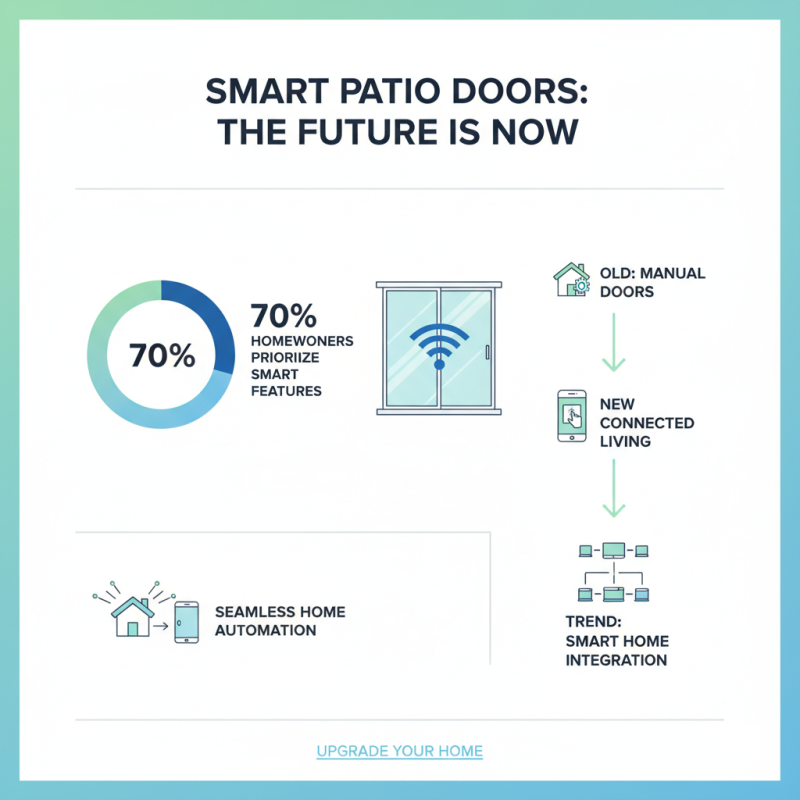
Smart home integration is rapidly changing the landscape of glass patio doors. More homeowners are opting for doors that sync with their home automation systems. According to a recent report, nearly 70% of homeowners prioritize smart features when choosing doors. This shift reflects a broader trend towards connected living.
Automation in glass patio doors enhances convenience and security. Homeowners can control these doors remotely through mobile apps. Features like automated locking and real-time monitoring are becoming standard. However, this technology is not without its challenges. Many users report issues with connectivity and compatibility. Regular updates and maintenance are necessary to fully enjoy these innovations.
Moreover, energy efficiency is a growing concern. Smart glass doors can include features that regulate temperature. Yet, there is a fine line between efficiency and over-reliance on technology. Homeowners must weigh the costs of installation against long-term savings. As the market evolves, finding a balance will be crucial for sustainable living.
Sustainability Practices in the Manufacturing of Glass Patio Doors
As the demand for modern homes grows, sustainability becomes crucial in the manufacturing of glass patio doors. According to the U.S. Department of Energy, residential windows account for 25-30% of energy use. Manufacturers face pressure to reduce this impact. Many companies are transitioning to eco-friendly materials. This shift helps conserve energy and reduces waste. However, the journey isn’t flawless.
Recycling glass is one method enhancing sustainability. The Glass Recycling Coalition states that recycling saves significant energy. Still, quality can be inconsistent. Some recycled glass loses its clarity. New technologies are emerging to address this issue, but they require investment. Not all companies are ready for that leap.
Another trend is energy-efficient glass coatings. These coatings can reflect heat and UV rays. The International Energy Agency reports that such innovations could cut energy costs by 20%. Yet, the challenge remains in balancing cost and performance. Many consumers prioritize affordability over sustainability. This creates a dilemma for manufacturers aiming to innovate responsibly.